AI Safety Training in 2026: 5 Ways to Turn Video Into Real-Time Feedback
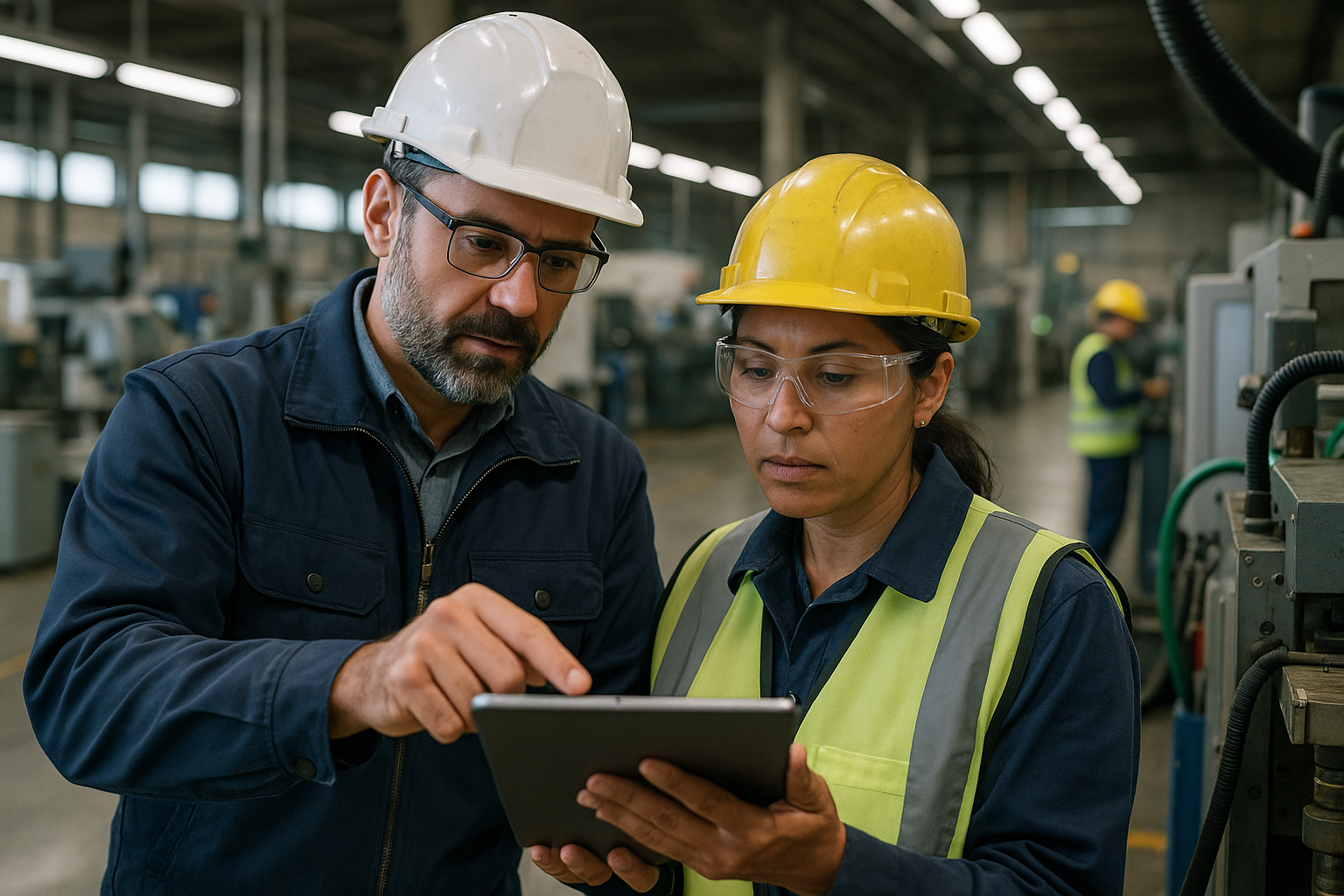
Turn AI safety training into real-time feedback with targeted coaching, field verification, and documented corrective action instead of passive video.
Published: July 26, 2026 · By Steven Brooks
Updated: August 9, 2026
Category: Industrial Safety
Frequently Asked Questions
What is the difference between passive video training and AI safety training?
Passive video delivers the same content to everyone and often stops at completion tracking. AI safety training uses site signals like incidents, near misses, and inspections to personalize instruction and trigger follow-up coaching.
Can AI replace toolbox talks or supervisor coaching?
No. The article’s main point is that AI should improve targeting and timing, while supervisors still verify behaviors in the field and coach employees on the actual task.
How do you measure whether adaptive EHS training is working?
Look beyond completions to repeat inspection findings, near-miss trends, corrective-action closure, and whether supervisors verified the expected safe-work practice after training.
Does OSHA require AI for safety training?
No. OSHA requires employers to train employees for applicable hazards and duties, while recognized standards support effective training practices. AI is a tool to make that training more targeted and easier to document.
What is the best way to start using real-time safety feedback software?
Start with one recurring hazard theme, tie short training to real field findings, require documented supervisor follow-up, and review repeat findings over the next quarter.