Building an Arc Flash PPE Program for Electrical Utilities in 2026
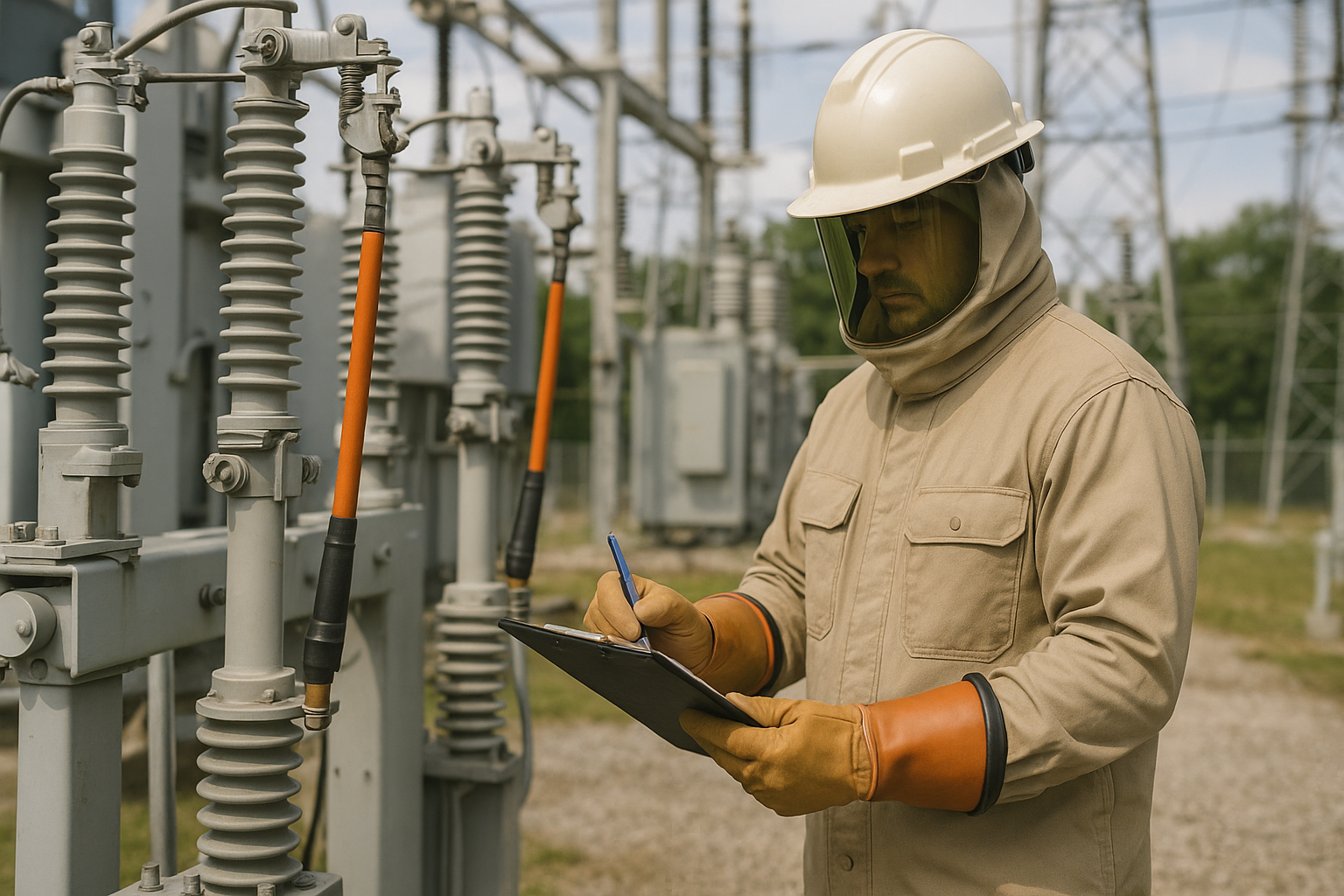
Build an arc flash PPE program for utilities by tying OSHA 29 CFR 1910.333, NFPA 70E, training, labeling, and field verification together.
Published: June 24, 2026 · By SafetyNet Editorial Team
Updated: June 27, 2026
Category: Industrial Safety
Frequently Asked Questions
What should an arc flash PPE program for utilities include besides gear?
The post says a strong program should cover hazard assessment before work starts, planning around de-energizing whenever feasible, matching PPE to the exposure, worker training, inspection and replacement, and verification of what was purchased and issued. It is meant to connect planning, labeling, equipment selection, training, care, and field checks.
Is arc flash PPE the first control, or should we de-energize first?
The post says PPE should not be the first or only control. Utilities should plan around hazard elimination and de-energizing whenever feasible, with arc-rated PPE treated as the last line of defense.
How do we define the right arc flash PPE for different utility tasks?
The post recommends setting clear task-based PPE requirements using your risk assessment process and NFPA 70E guidance. It also says to define complete PPE combinations by task so crews and supervisors know exactly what is required, including items like face protection, gloves, hearing protection, and compatible outerwear where applicable.
Why does ANSI/ISEA 125 matter for an arc flash PPE program?
The post says ANSI/ISEA 125 helps strengthen procurement and verification by focusing on conformity assessment, product consistency, and documentation. In practice, that means using written specifications, reviewing supplier documentation, checking substitutions before issue, confirming deliveries match approved products, and tracking issued PPE.
How should we audit an arc flash PPE program in the field?
The post says audits should test how the program actually works from planning through execution, not just whether a written policy exists. It suggests checking that risk assessments are current, labels match equipment conditions, crews can identify the right PPE, gear is in good condition, supervisors enforce rules consistently, contractors meet the same expectations, and replacement processes are fast enough to avoid workarounds.