California Indoor Heat Audit Checklist for Non-Air-Conditioned Plants
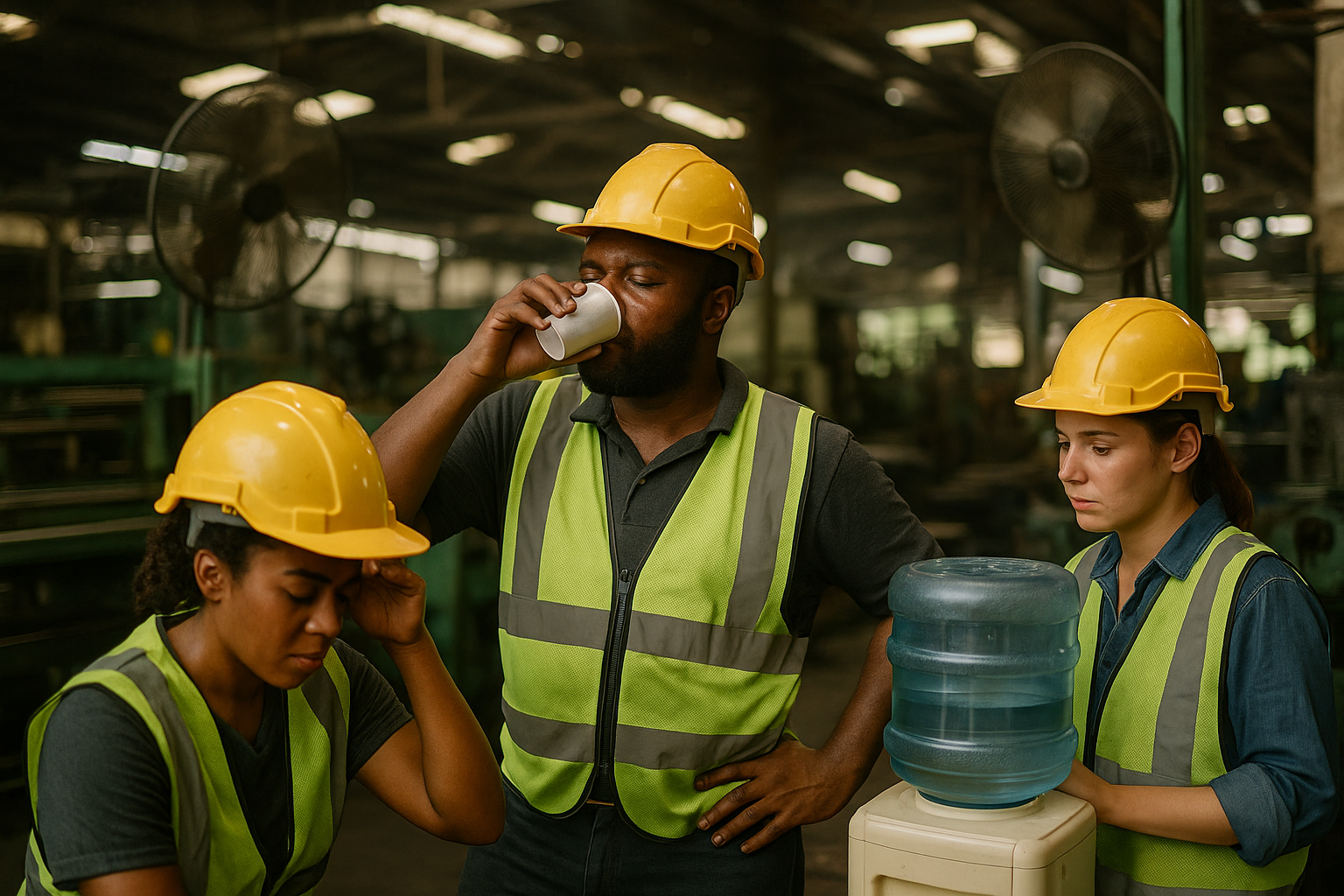
Audit indoor heat controls in California non-air-conditioned plants with a practical checklist for monitoring, training, response, and field-ready fixes.
Published: June 25, 2026 · By SafetyNet Editorial Team
Updated: June 27, 2026
Category: Industrial Safety
Frequently Asked Questions
What should a California indoor heat audit cover in a non-air-conditioned plant?
It should review the written indoor heat illness prevention program and then verify in the field that controls work where employees actually do their jobs. The post says to check heat monitoring, drinking water, cool-down areas, acclimatization, training, supervisor response, and emergency procedures.
Where should we measure indoor heat during an audit?
Measurements should be taken in the actual work areas, especially known hot spots and during peak heat periods. The post says to account for humidity, airflow, radiant heat, workload, and PPE, not just air temperature from one location.
What are the most common gaps in indoor heat programs?
A common problem is having a program that looks complete on paper but does not match real plant conditions. The post also points to weak monitoring, poor water access, unusable recovery space, vague trigger points, and delayed supervisor action.
What controls should we verify for indoor heat in production areas?
The audit should check engineering and administrative controls such as fans, spot cooling, shielding from radiant heat, ventilation improvements, work-rest adjustments, shift timing changes, and job rotation where it helps reduce heat strain. It should also confirm workers can actually access water, cool-down areas, and recovery breaks during normal production.
Who needs extra attention during indoor heat conditions?
The post highlights new hires, temporary workers, returning employees, reassigned workers, and employees doing heavy work or wearing restrictive PPE. It says supervisors should know who is in an acclimatization period and actively observe higher-risk employees during hot periods.