California’s Confined Spaces Rewrite: Is Your Competent Person Ready?
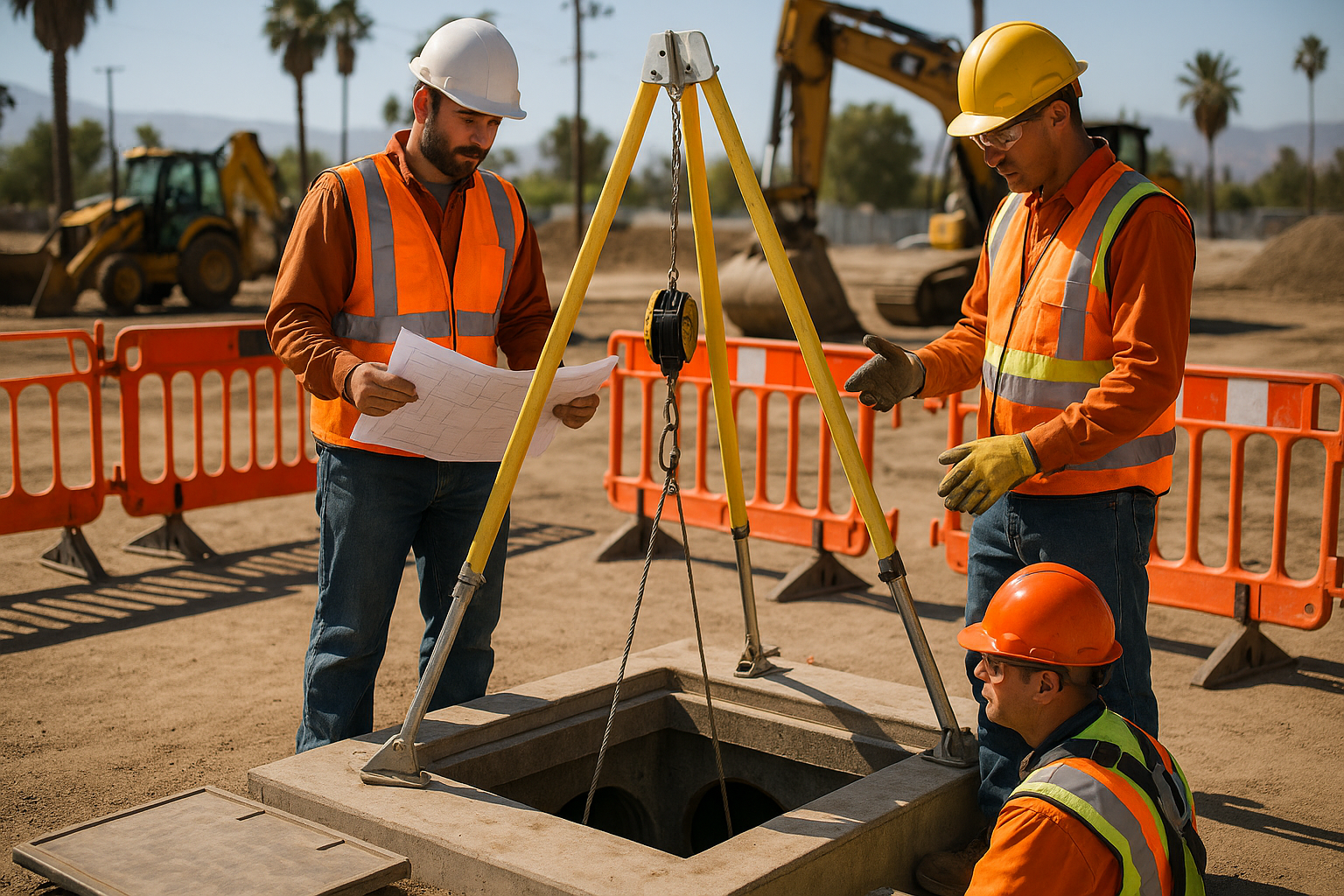
California’s confined spaces rewrite puts more weight on accurate field classification. Check if your competent person is ready under Title 8, Article 36.
Published: June 25, 2026 · By SafetyNet Editorial Team
Updated: June 27, 2026
Category: Industrial Safety
Frequently Asked Questions
What does California’s confined spaces rewrite change for construction projects?
It changes more than paperwork. Teams need to define spaces correctly, document hazards, coordinate with other employers on site, and decide what entry controls are required based on current conditions.
What should a competent person be able to do under California’s confined space rules?
They should be able to identify whether a space meets the construction confined space definition, tell when it is permit-required, recognize serious hazards, and know when controls and rescue verification are needed. They also need to coordinate with entry supervisors, attendants, host employers, and controlling contractors.
Can we rely on an old confined space classification or a generic checklist?
No. The post explains that past classifications, legacy forms, and generic corporate space lists may not reflect current site conditions or California construction requirements. Spaces should be reassessed when work scope, weather, flooding, line opening, or nearby operations change the hazards.
Why is confined space coordination so important on multi-employer infrastructure sites?
Because owners, contractors, utilities, and subcontractors can all affect conditions around the space. A stronger process should clearly identify roles, share known hazards and precautions, define responsibility for testing and rescue arrangements, and explain how new hazards will be reported during the shift.
How can we tell if our confined space program is ready?
Start by checking whether your competent person can explain the current California construction definitions and evaluate spaces affected by active construction. The post also recommends reviewing your program, permits, checklists, and rescue planning against Cal/OSHA Title 8, Article 36 and testing your coordination process on a real multi-employer scenario.