CERS and CUPA Reporting for Small Businesses in Southern California
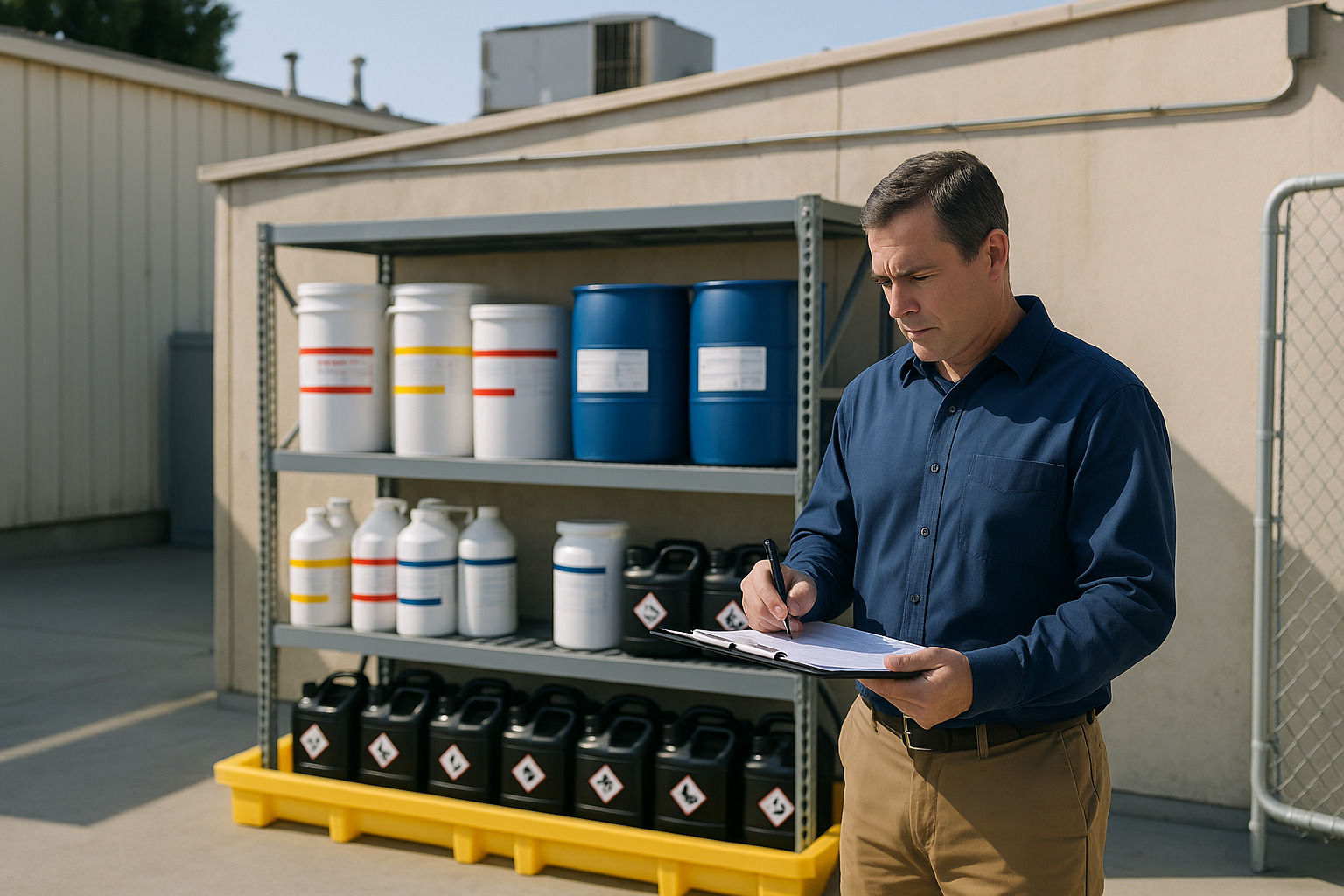
CERS and CUPA reporting starts with knowing what is on site. Learn how small businesses can align records, maps, waste data, and inspections.
Published: June 15, 2026 · By SafetyNet Editorial Team
Updated: June 27, 2026
Category: Compliance
Frequently Asked Questions
What is CERS and what does CUPA do for a small business?
CERS is California’s online reporting system for certain environmental compliance programs. CUPA is usually your local city or county agency that handles oversight, inspections, and enforcement for hazardous materials and waste programs.
Does my small business need CERS reporting?
You may need CERS reporting if your site stores hazardous materials, generates hazardous waste, or has regulated tanks or equipment on site. The exact requirement depends on your operation, the materials involved, and your local CUPA’s expectations.
What information do inspectors usually check during a CUPA inspection?
Inspectors commonly check whether your CERS reporting matches actual site conditions. They often look at chemical inventories, Safety Data Sheets, container labels, site maps, waste handling practices, emergency contact information, and whether employees understand spill response and basic handling procedures.
What should trigger an update in CERS?
Common update triggers include adding a new chemical, increasing storage quantities, changing a process that affects waste generation, remodeling storage areas, changing emergency contacts, or changing tank or equipment status. The post also recommends confirming whether your local CUPA expects an initial filing, annual update, or updates after significant changes.
What are the most common CERS and CUPA mistakes small businesses make?
Common problems include missed annual updates, bringing in new products without review, outdated maps and emergency plans, and leaving old chemicals or inactive waste streams in the system. Small businesses also run into trouble when CERS is treated as paperwork instead of part of daily operations.