Choosing Electrical Test Instruments in 2026: OSHA, NFPA 70E, Low vs High Voltage
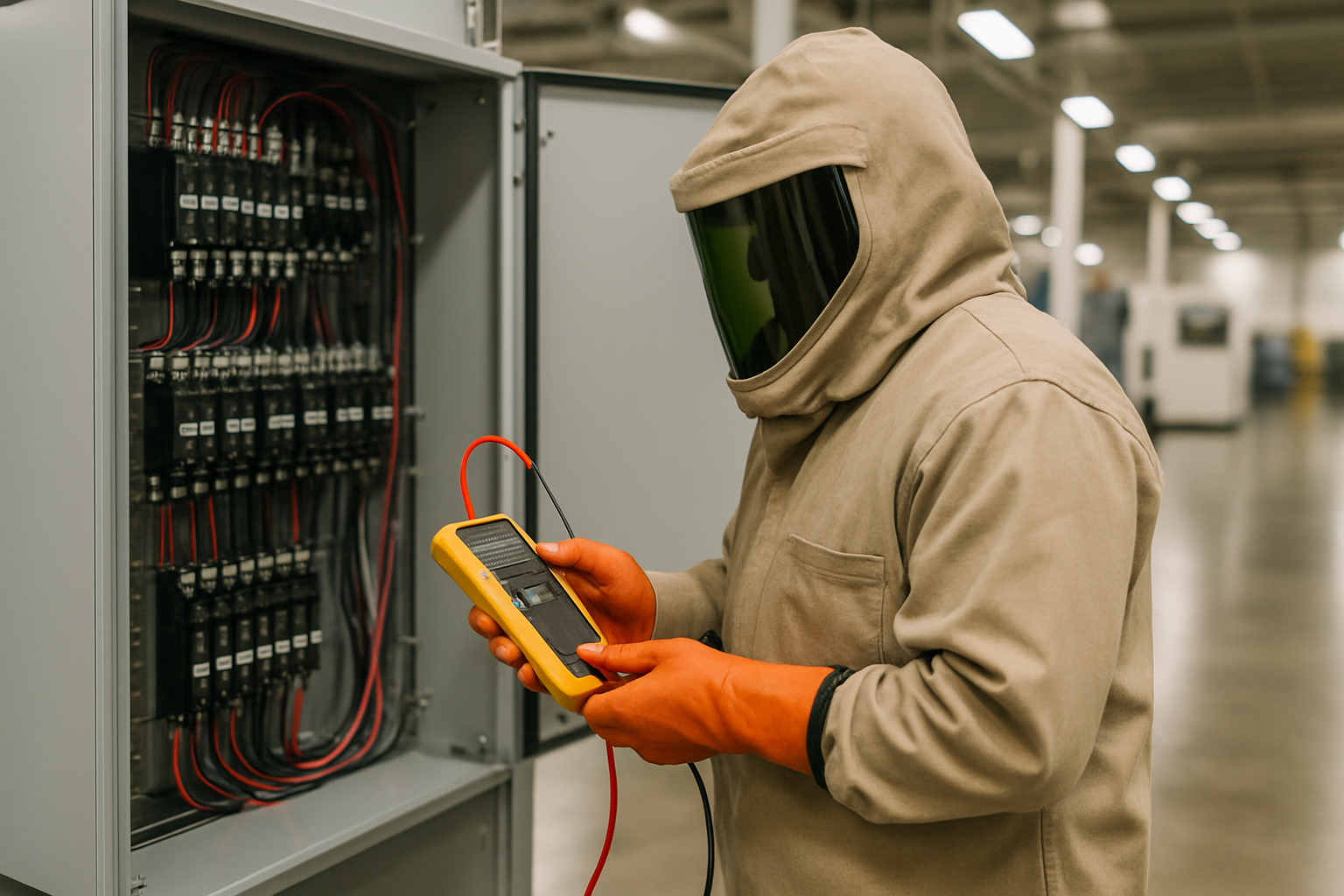
Choose electrical test instruments that match voltage, task, and hazard. OSHA and NFPA 70E guidance for safer low- and high-voltage testing.
Published: August 15, 2026 · By Steven Brooks
Category: Industrial Safety
Frequently Asked Questions
Does OSHA specify one exact type of electrical meter to use?
No. OSHA requires equipment and protective practices appropriate to the electrical hazard, while NFPA 70E provides the practical framework for task-based selection, boundaries, and PPE.
What is the main difference between low-voltage and high-voltage test instrument requirements?
The core rule stays the same: the instrument must be suitable and in safe condition. Higher voltage work generally requires more specialized equipment, stricter boundary control, and more formal planning because the shock and arc-flash consequences are greater.
Do test leads and probes need to be included in inspections?
Yes. The device is not just the meter body; leads, probes, clips, insulation, connectors, and accessories all need to be inspected and removed from service if damaged or unreliable.
Why is verifying absence of voltage treated as such a critical task?
Because employees rely on that reading to decide whether equipment can be treated as in an electrically safe work condition. NFPA 70E practice includes verifying the tester on a known source before and after the test.
How does arc flash software help with measuring-device decisions?
It helps connect the testing task to the actual hazard data by supporting incident-energy calculations, PPE category and approach-boundary determination, NFPA 70E-compliant labels, and one-line study management.