Cleanroom Safety in Chip Fabs: Toxic Gases, HF Lines, and Ventilation
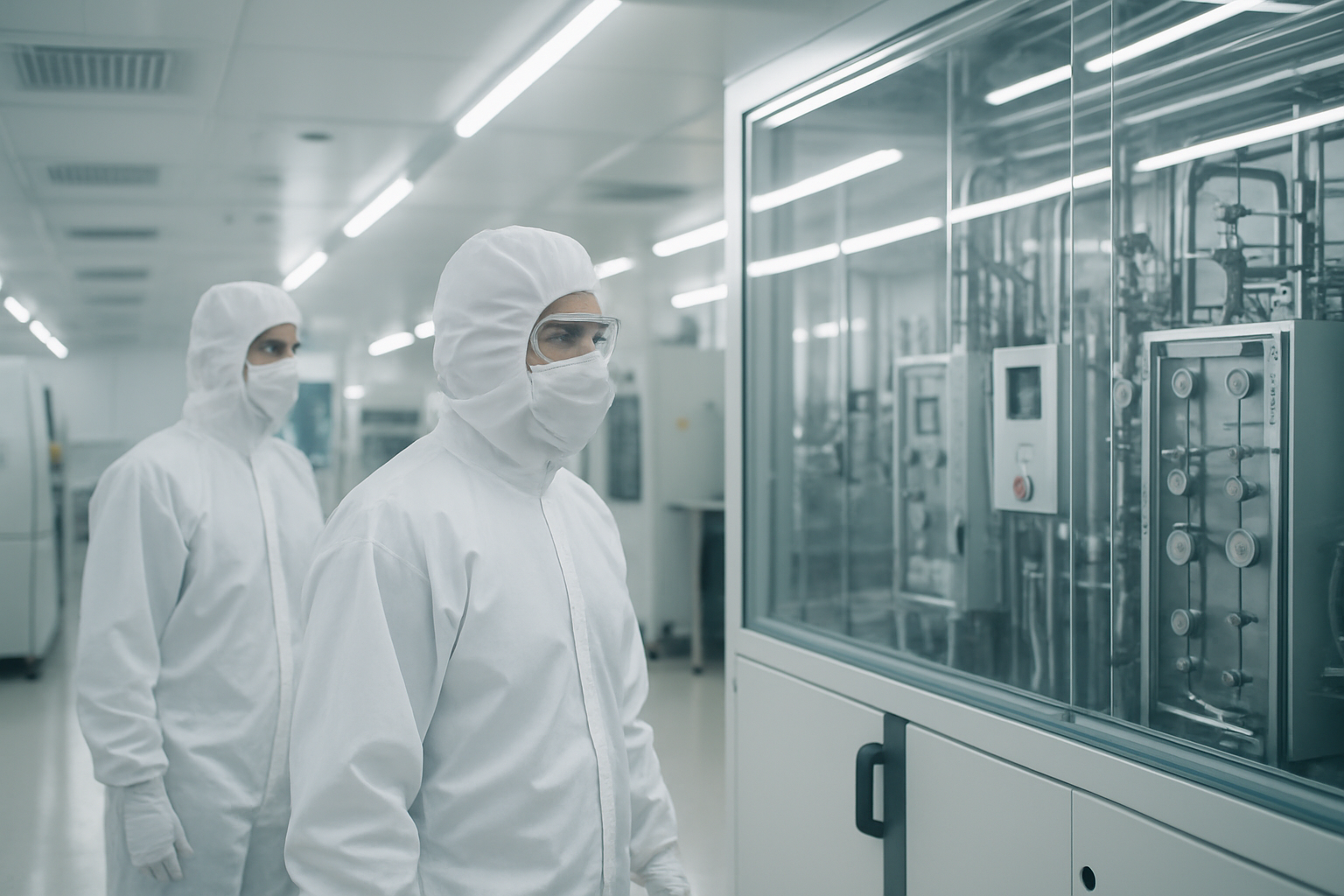
Learn practical cleanroom safety steps for chip fabs, from toxic gas and HF line controls to ventilation reviews using OSHA 29 CFR 1910.119 and SEMI S2.
Published: June 27, 2026 · By SafetyNet Editorial Team
Category: Industrial Safety
Frequently Asked Questions
What are the main cleanroom safety risks in a chip fab?
The post highlights toxic gases such as arsine and phosphine, hydrofluoric acid distribution systems, and ventilation performance as the main high-consequence risks. These hazards interact, so a failure in one part of the system can quickly affect workers, response, and operations.
How should arsine and phosphine systems be managed in a fab?
They should be treated as full systems, not just individual cylinders or tools. The post calls for gas detection, automatic isolation and shutdown, preventive maintenance, management of change, pre-startup reviews, and realistic emergency drills.
Why do HF lines need special attention in semiconductor facilities?
HF risk comes from both the chemical and the way it moves through hidden piping, transfer points, and maintenance interfaces. The post recommends regular walkdowns, clear labeling, routine inspections, isolation planning, emergency supplies, and contractor controls.
Do high cleanroom air change rates make toxic gas controls less important?
No. The post says high air change rates do not replace local exhaust, enclosure, gas detection, or emergency isolation, and airflow can sometimes complicate detection and response.
How do OSHA PSM and SEMI S2 work together in a chip fab?
The post says OSHA 29 CFR 1910.119 helps structure process safety elements like hazard analysis, procedures, training, mechanical integrity, and management of change. SEMI S2 helps teams evaluate whether tools are designed and integrated with the right EHS safeguards.