Close the Multilingual Safety Gap in 2026 With QR Reporting and Bilingual LMS
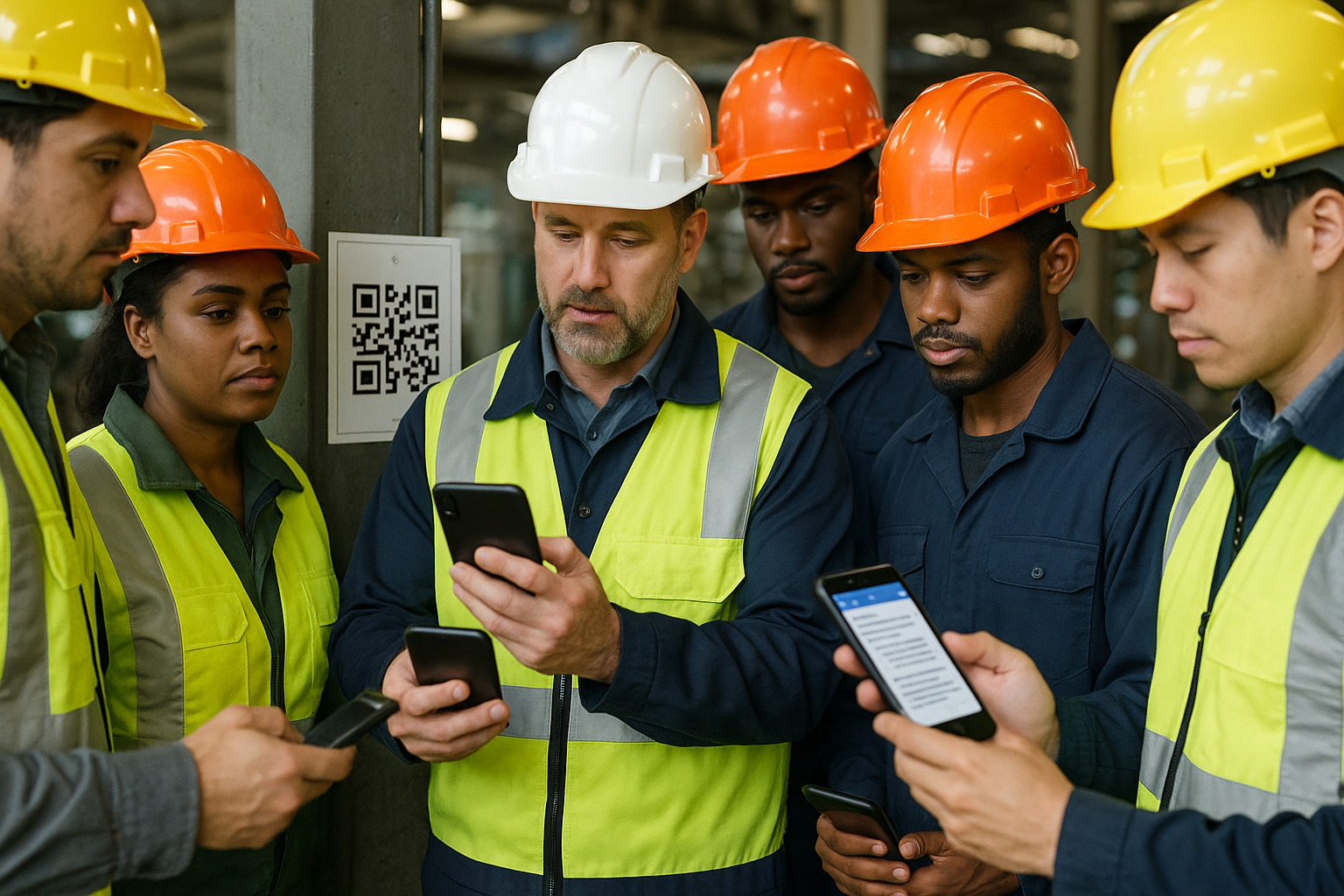
Close the multilingual safety gap with bilingual LMS content and QR hazard reporting that make training, follow-up, and records easier to manage.
Published: July 26, 2026 · By Steven Brooks
Updated: August 9, 2026
Category: Industrial Safety
Frequently Asked Questions
Does OSHA require safety training to be provided in Spanish?
OSHA expects training and safety information to be presented in a way employees can understand. If part of your workforce primarily works in Spanish, English-only delivery may not meet that practical expectation.
What is the main benefit of QR code hazard reporting?
It reduces friction at the moment a worker notices a problem. Instead of waiting to find a form or supervisor, the worker can report the issue immediately from a phone.
Are bilingual micro-lessons better than long classroom sessions?
They are often more practical for recurring field hazards because they are easier to repeat, easier to deliver consistently, and easier for workers to use during the workday. They work best when paired with a clear reporting and follow-up process.
What should an EHS team measure after launching bilingual training and QR reporting?
Look at whether hazard and near-miss reports increase, whether more crews are participating, whether corrective actions close faster, and whether repeat issues continue showing up in audits.
What makes a multilingual safety system sustainable?
It has to be simple for workers and supervisors to use. That means understandable training, instant reporting access, clear corrective-action ownership, and reliable records across sites.