Commercial Asbestos Abatement: OSHA, Respiratory, and Sampling Basics
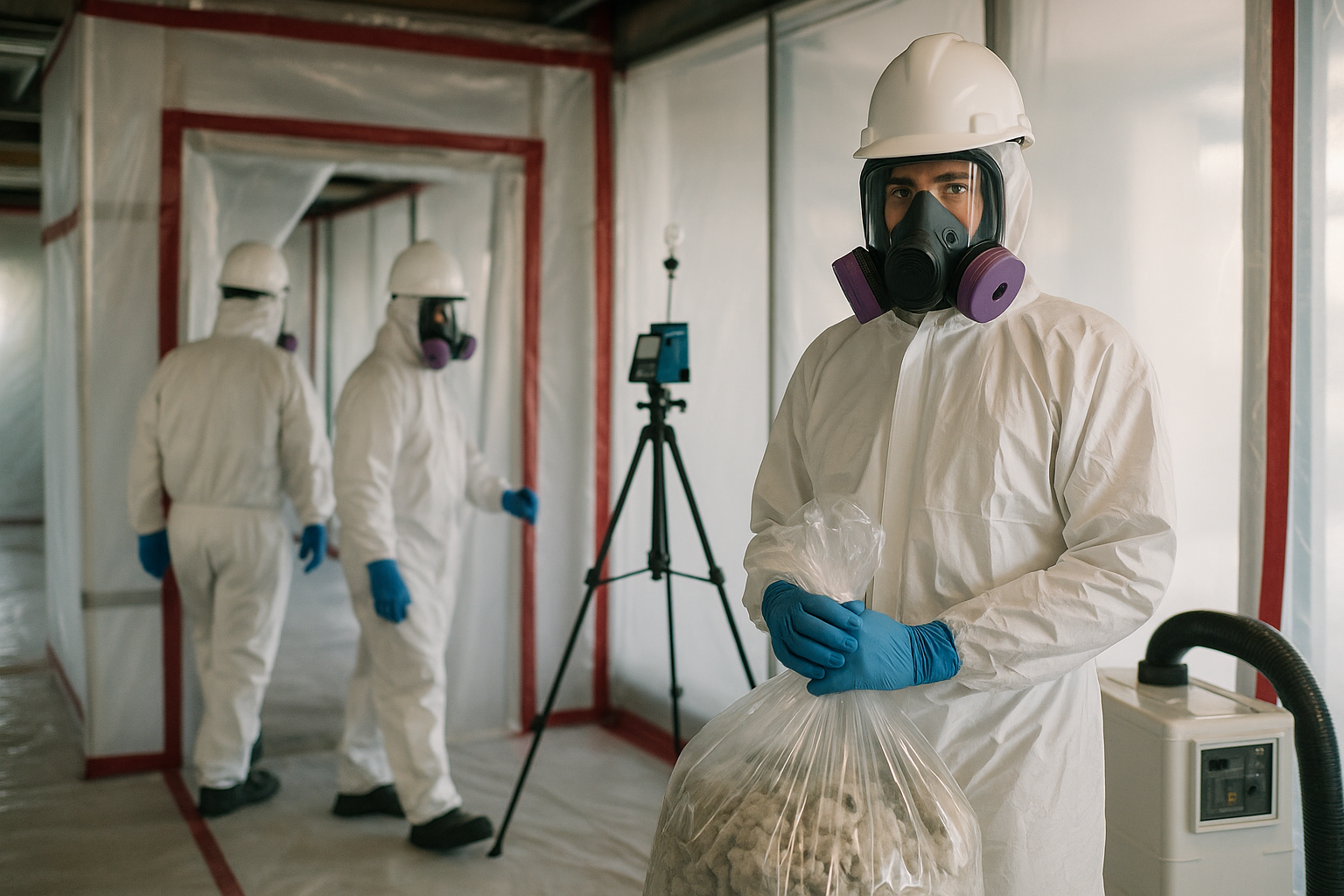
Commercial asbestos abatement basics for EHS managers: apply OSHA 29 CFR 1926.1101, strengthen respiratory protection, and use NIOSH 7400 correctly.
Published: June 24, 2026 · By SafetyNet Editorial Team
Updated: June 27, 2026
Category: Industrial Safety
Frequently Asked Questions
What OSHA standard should I start with for commercial asbestos abatement?
Start with OSHA 29 CFR 1926.1101 for construction-related asbestos work. The post says it sets expectations for exposure assessment, regulated areas, engineering controls, respiratory protection, hygiene facilities, training, medical surveillance, and recordkeeping.
What should be included in an asbestos containment and control plan before work starts?
The plan should address regulated areas, barriers, negative pressure, decontamination flow, housekeeping, waste movement, and emergency actions before the job begins. The post also stresses clear authority to stop work if containment or exposure controls fail.
How do I know if respirator use is actually compliant in the field?
The post says to verify that respirator selection, medical evaluation, fit testing, training, and actual use match the task conditions. A simple field check is whether the crew is wearing the selected respirator correctly for the work they are doing right now.
What is NIOSH 7400 used for on an asbestos project?
NIOSH 7400 is described as a widely used fiber-counting method by phase contrast microscopy for occupational exposure sampling. The post says it should be planned carefully, documented well, and used to support decisions when conditions in the field differ from expectations.
What daily checks matter most on a commercial asbestos abatement job?
The post highlights daily review of the site-specific work plan, air monitoring status, respirator compliance, regulated area postings, decontamination setup, housekeeping, waste practices, and shift communications. It also recommends walkdowns, short field audits, and quick follow-up on corrective actions.