Construction Fatalities Rose Again: What the Latest BLS Data Means for Contractors
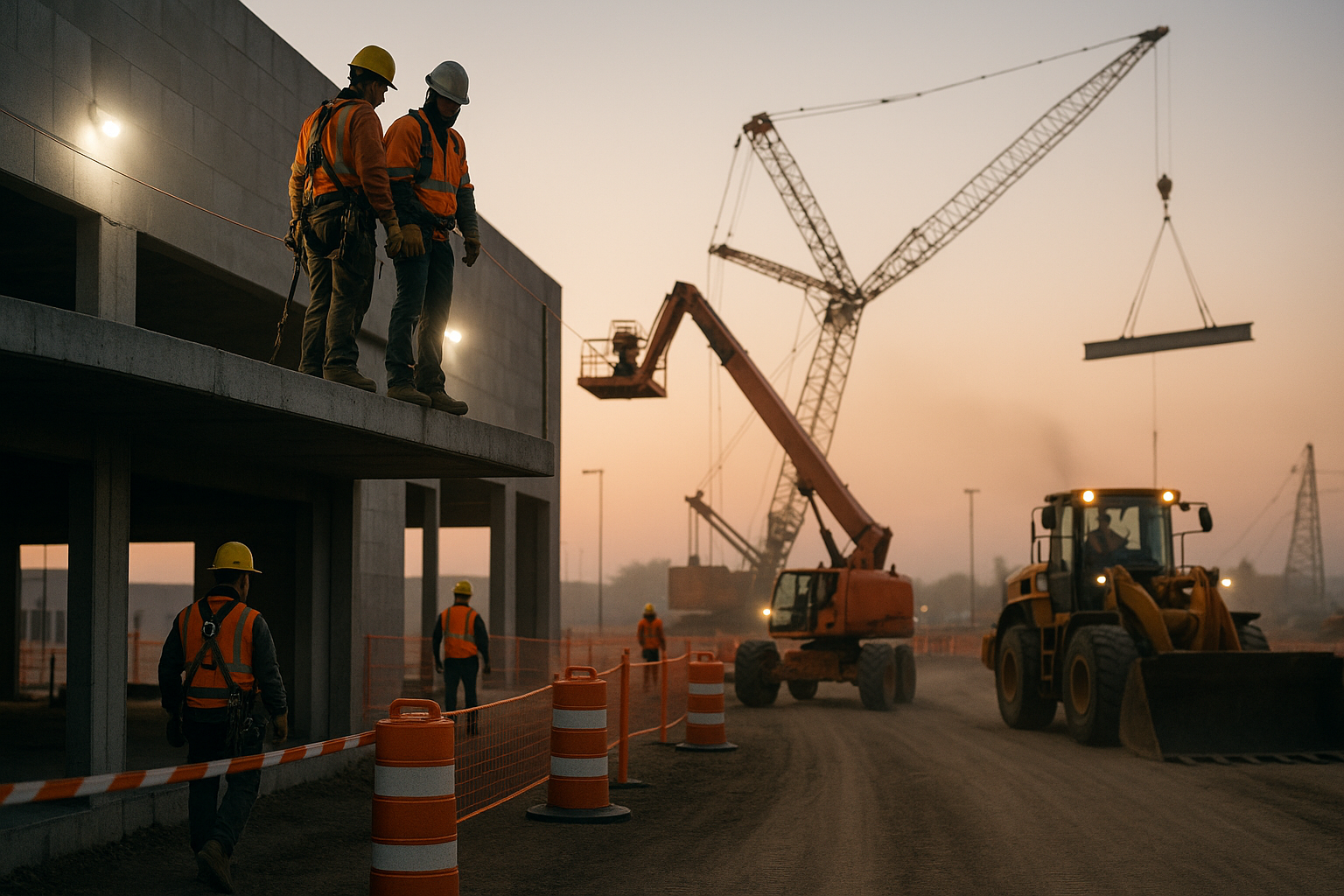
New BLS data shows construction fatalities still center on falls, vehicle incidents, and contact hazards. Use it to set sharper 2026 priorities.
Published: June 27, 2026 · By SafetyNet Editorial Team
Category: Industrial Safety
Frequently Asked Questions
What construction hazards should contractors prioritize first based on the latest fatality patterns?
The article points to three recurring priorities: falls, transportation events, and contact incidents. Those categories should guide where contractors focus planning, supervision, and field verification.
Why do falls remain such a serious problem in construction?
Falls remain serious because they occur during routine and short-duration tasks where crews may rush or assume the exposure is minor. Common breakdowns include poor access planning, unsuitable anchor points, ladder misuse, and inconsistent protection during transitions.
Are transportation events mainly a highway construction issue?
No. Transportation events affect any contractor with moving vehicles, heavy equipment, deliveries, or workers on foot around active traffic paths on site.
What counts as a contact incident on a construction site?
The article uses contact incidents as a broad category that includes struck-by hazards, caught-in or between hazards, and electrical contact. These risks often overlap during lifting, excavation, demolition, material handling, and work near temporary or energized power.
How should an EHS manager use fatality data without turning it into generic training?
Use the data to identify the highest-risk scenarios by trade and project phase, then update pre-task planning, supervisor observations, and field audits around those exposures. The goal is to strengthen specific controls where fatal risk is most concentrated.