Does OSHA Require Bilingual Safety Training in 2026? What Employers Must Do
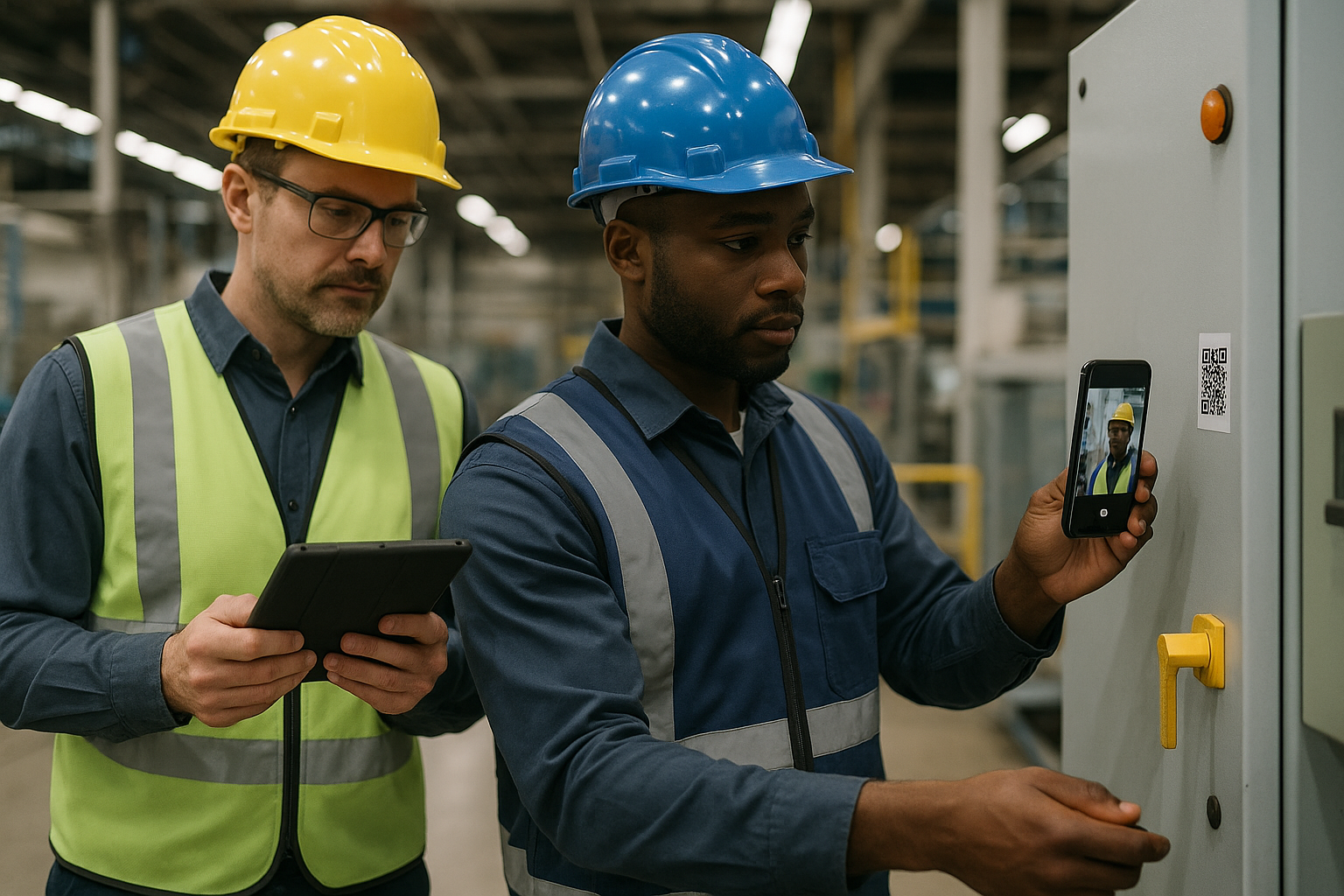
OSHA requires training workers can understand. See what bilingual safety training, comprehension checks, and records EHS managers need in 2026.
Published: August 21, 2026 · By Steven Brooks
Category: Industrial Safety
Frequently Asked Questions
Does OSHA explicitly require Spanish-language safety training?
Not in every case. OSHA’s core expectation is that training be delivered in a language and vocabulary employees understand, so Spanish-language training may be necessary when English-only instruction would be ineffective.
Can English-only training still count if workers sign the attendance sheet?
A sign-in sheet alone is weak if workers did not actually understand the material. OSHA looks at whether the training was effective, task-specific, and understandable to the employees receiving it.
Are digital training sign-offs acceptable for OSHA recordkeeping?
They can be useful when they verify employee identity, completion time, topic, and some form of comprehension check. Strong digital records are generally more defensible than scattered paper files.
What topics should be prioritized for bilingual training first?
Start with high-risk topics such as lockout/tagout, hazard communication, PPE, machine guarding, electrical safety, and emergency response. These areas are closely tied to worker understanding and day-to-day task execution.
How does micro-training fit with instructor-led safety training?
Micro-training works best as reinforcement, not a total replacement. Use instructor-led sessions for onboarding and complex discussion, then use short bilingual refreshers to support retention and point-of-work access.