EM 385 Fall Protection Training and Compliance Requirements
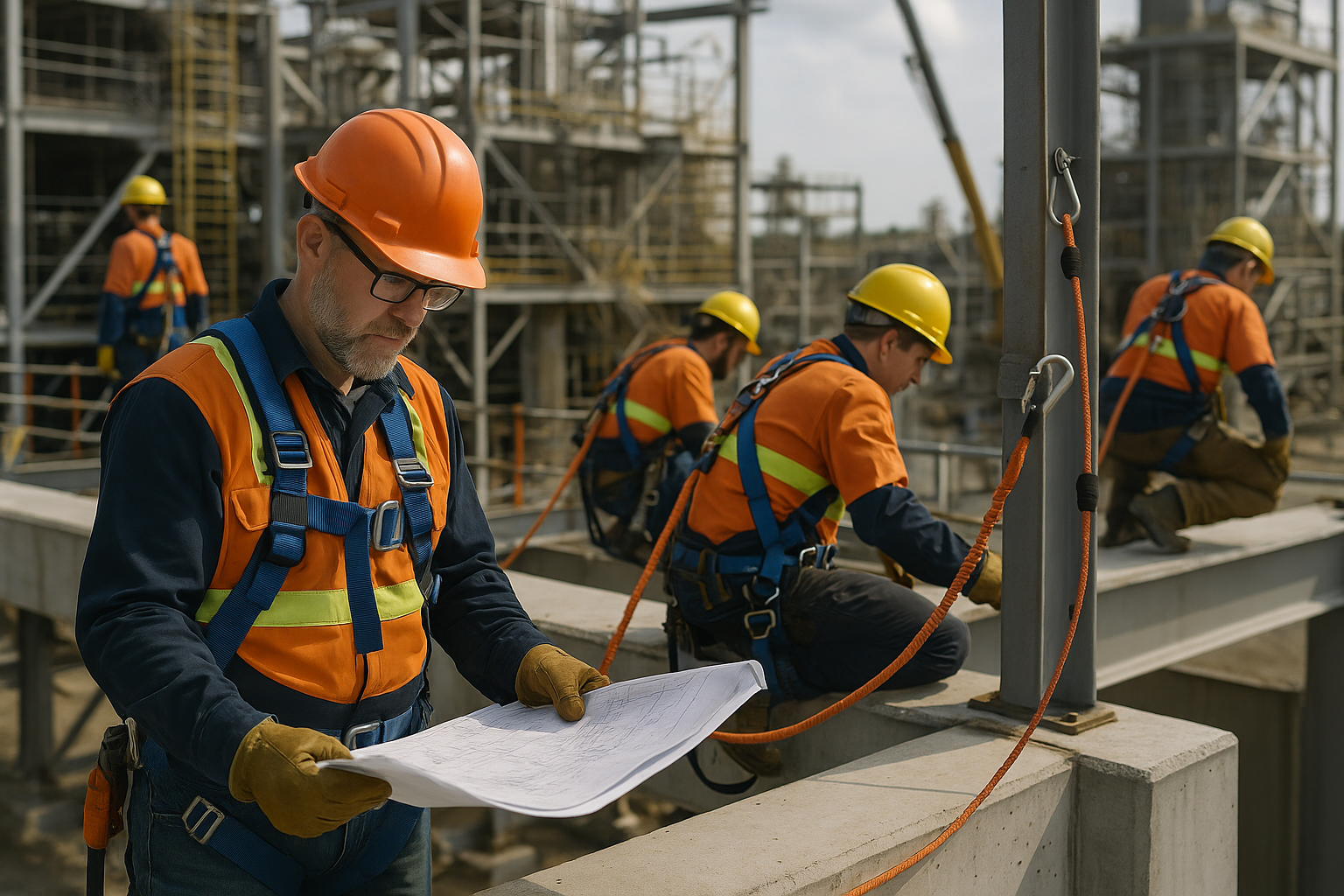
Learn EM 385 fall protection training and compliance requirements, including role-based training, rescue planning, inspections, and field audits.
Published: July 2, 2026 · By SafetyNet Editorial Team
Category: Industrial Safety
Frequently Asked Questions
Does EM 385 replace OSHA fall protection rules?
No. OSHA still provides the regulatory baseline, and EM 385 is typically an added contract requirement on covered projects. Safety teams need to comply with both.
What kind of fall protection training should workers receive under EM 385?
Training should be task-specific and site-specific, not just general awareness. It should cover hazard recognition, equipment use, inspection, rescue procedures, and the limits of the systems being used.
Who needs more advanced fall protection knowledge on an EM 385 project?
Workers need hands-on user training, while supervisors, competent persons, and qualified personnel may need deeper knowledge based on their role. The level of training should match the authority and decisions each role is expected to make.
What are the biggest compliance gaps beyond training?
Common gaps include weak hazard analysis, unrealistic rescue planning, poor equipment inspections, and field conditions that do not match the written plan. Oversight and documentation are also frequent trouble spots.
How can an EHS manager check whether the program is really working?
Audit the actual work, not just the paperwork. Verify that the crew understands the hazards, uses the planned controls, inspects equipment, and can respond if conditions change or a rescue is needed.