Forklift Fatalities Are Still Climbing: What CFOI Data Means for Warehousing
Forklift fatalities are still climbing in warehousing. Use CFOI trends to tighten training, traffic control, supervision, and 29 CFR 1910.178 compliance.
Published: June 22, 2026 · By SafetyNet Editorial Team
Updated: June 27, 2026
Category: Industrial Safety
Frequently Asked Questions
What do rising forklift fatalities mean for warehouse safety managers?
The post says rising fatalities usually point to weaknesses in the overall management system, not just operator behavior. Safety managers should look at training, traffic control, supervision, and facility design around forklift operations.
Why isn't forklift training at orientation enough?
The post explains that paper compliance is not the same as effective risk control in the field. Operators need site-specific, task-specific training, documented field evaluations, and refresher training after near misses, damage, layout changes, or equipment changes.
What are the most common forklift program gaps in warehouses?
Common gaps include generic training, weak pedestrian controls, poor enforcement of rules like seat belt use and speed, limited supervisor ownership, and near misses that are not investigated. The post also warns about temporary or reassigned workers being put on trucks before full evaluation.
How can a warehouse reduce pedestrian and forklift conflicts?
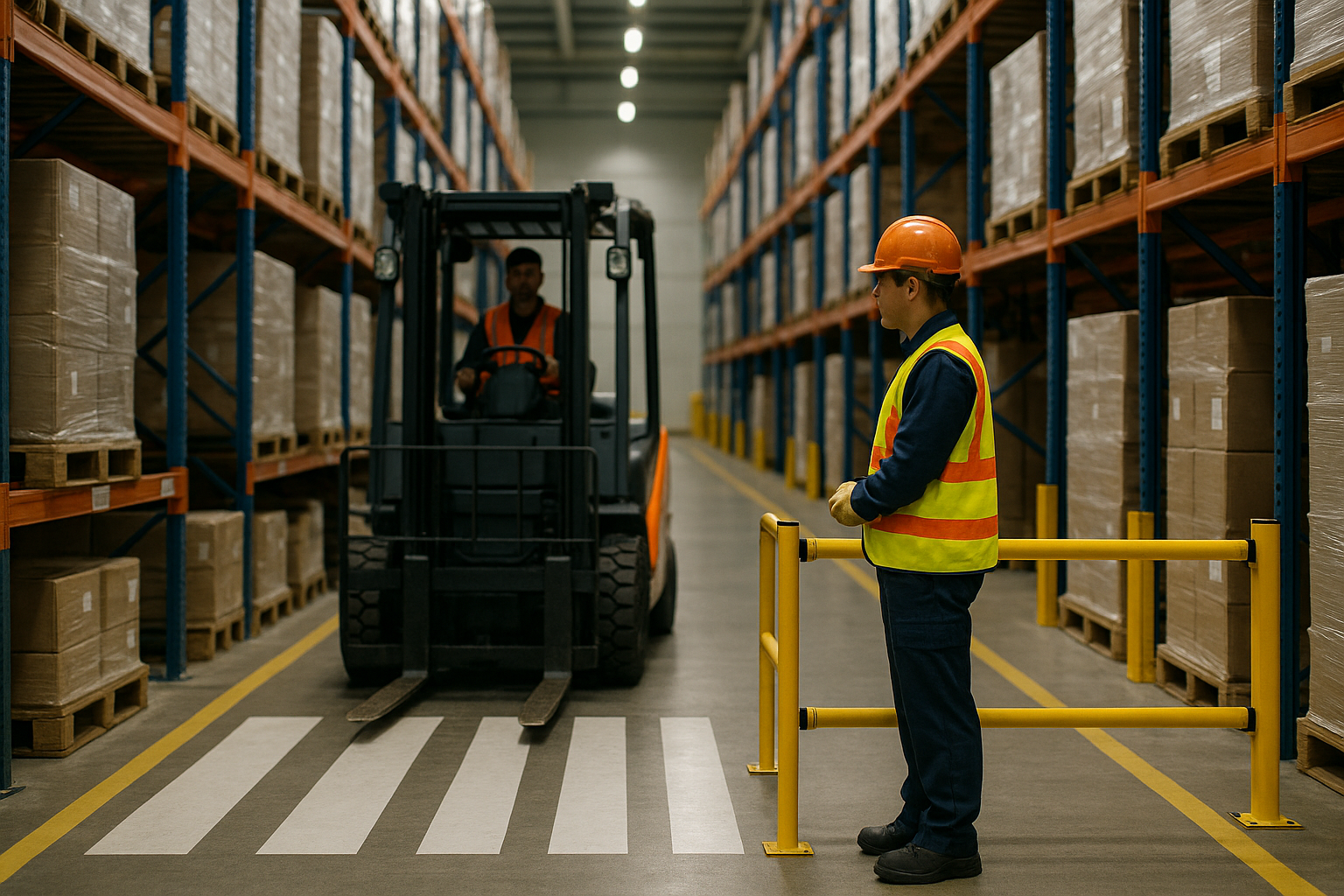
The post recommends separating pedestrians and trucks wherever possible with walkways, barriers, marked crossings, and restricted access zones. It also calls for better intersection controls, tighter dock practices, reduced blind travel, and managing congestion during peak activity.
What should supervisors do to improve forklift safety on the floor?
Supervisors should actively observe normal operations, enforce non-negotiable rules, and correct unsafe behaviors in the moment. The post also says they should investigate near misses and equipment damage for operational causes like route design, visibility, staffing, and scheduling pressure.