Hazardous Drug Compounding Safe Zones in 2026: OSHA, NIOSH, and NFPA 800
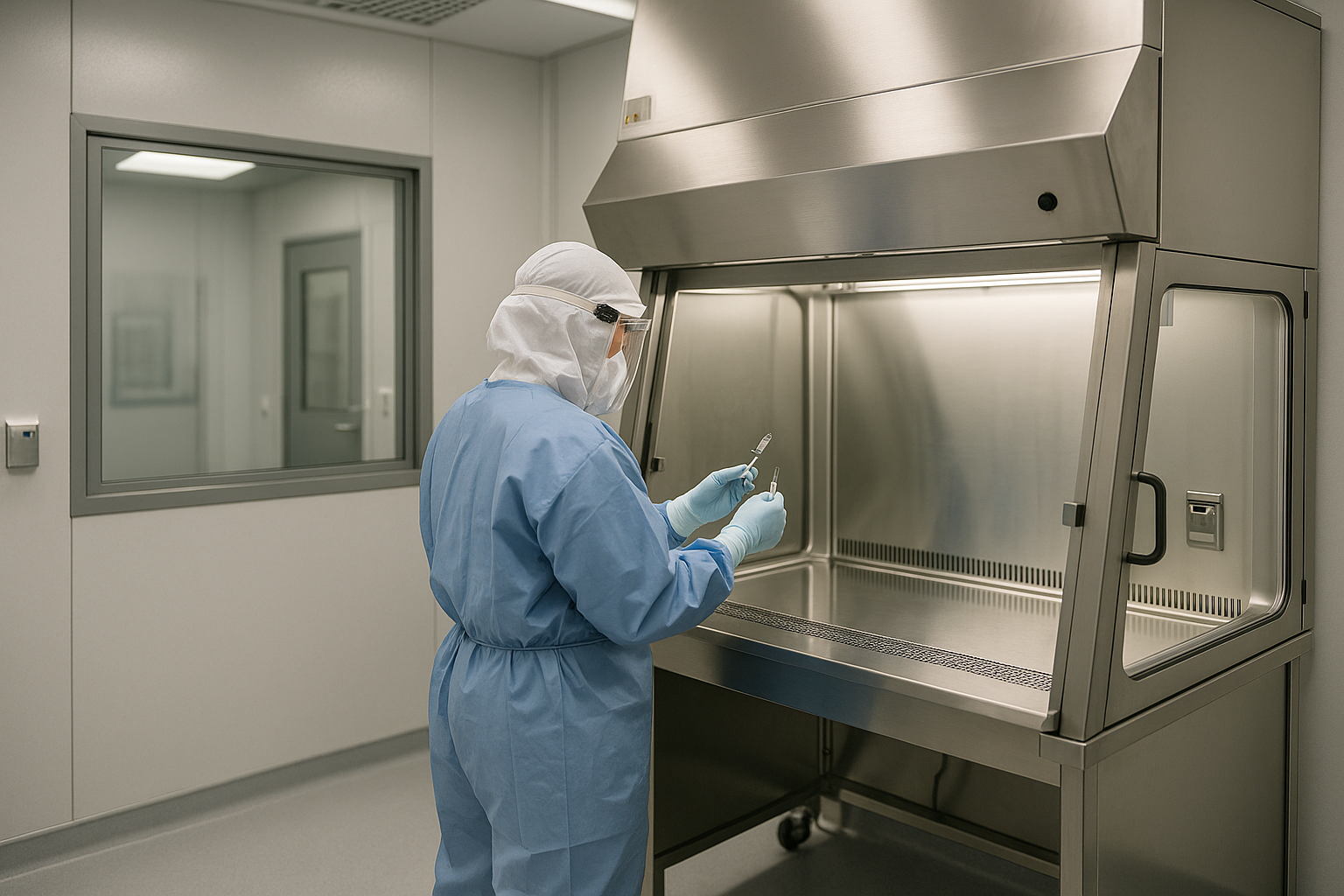
Learn how to build hazardous drug safe zones in 2026 by aligning OSHA Section 5(a)(1), NIOSH guidance, and NFPA 800 controls.
Published: June 24, 2026 · By SafetyNet Editorial Team
Updated: June 27, 2026
Category: Industrial Safety
Frequently Asked Questions
What areas should be included in a hazardous drug safe zone?
The safe zone should cover the full hazardous drug workflow, not just the compounding room or cabinet. The post says it can include receiving, storage, transport routes, administration spaces, waste staging, laundering interfaces, and service or exhaust maintenance points.
How does OSHA's general duty clause apply to hazardous drug handling areas?
The post explains that hazardous drug exposure is a recognized workplace hazard, so employers should be able to show they identified the risk and put reasonable controls in place. OSHA-minded reviews look for controls that work in practice, with clear, repeatable, and enforced procedures.
How should we use the NIOSH hazardous drug list in our program?
The NIOSH list is the starting point for scoping the program. The post says to use it to build an internal inventory, map where each drug moves, identify who may be exposed, and update PPE, spill response, waste handling, and training when the inventory changes.
What does NFPA 800 add to hazardous drug safe-zone planning?
According to the post, NFPA 800 supports a systems approach instead of focusing on a single room or device. It connects room layout, ventilation, boundaries, cleaning surfaces, maintenance, alarms, utility access, and emergency procedures.
What are the first steps an EHS manager should take to improve a hazardous drug safe-zone program?
The post recommends three immediate actions: review the hazardous drug inventory against the current NIOSH resource, do a joint walkdown with pharmacy, facilities, and EVS, and test whether written procedures cover normal work, spills, cleaning, contractor access, and return-to-service after equipment work.