HAZWOPER Drill Lesson for 2026: When the SDS Changes the PPE Plan
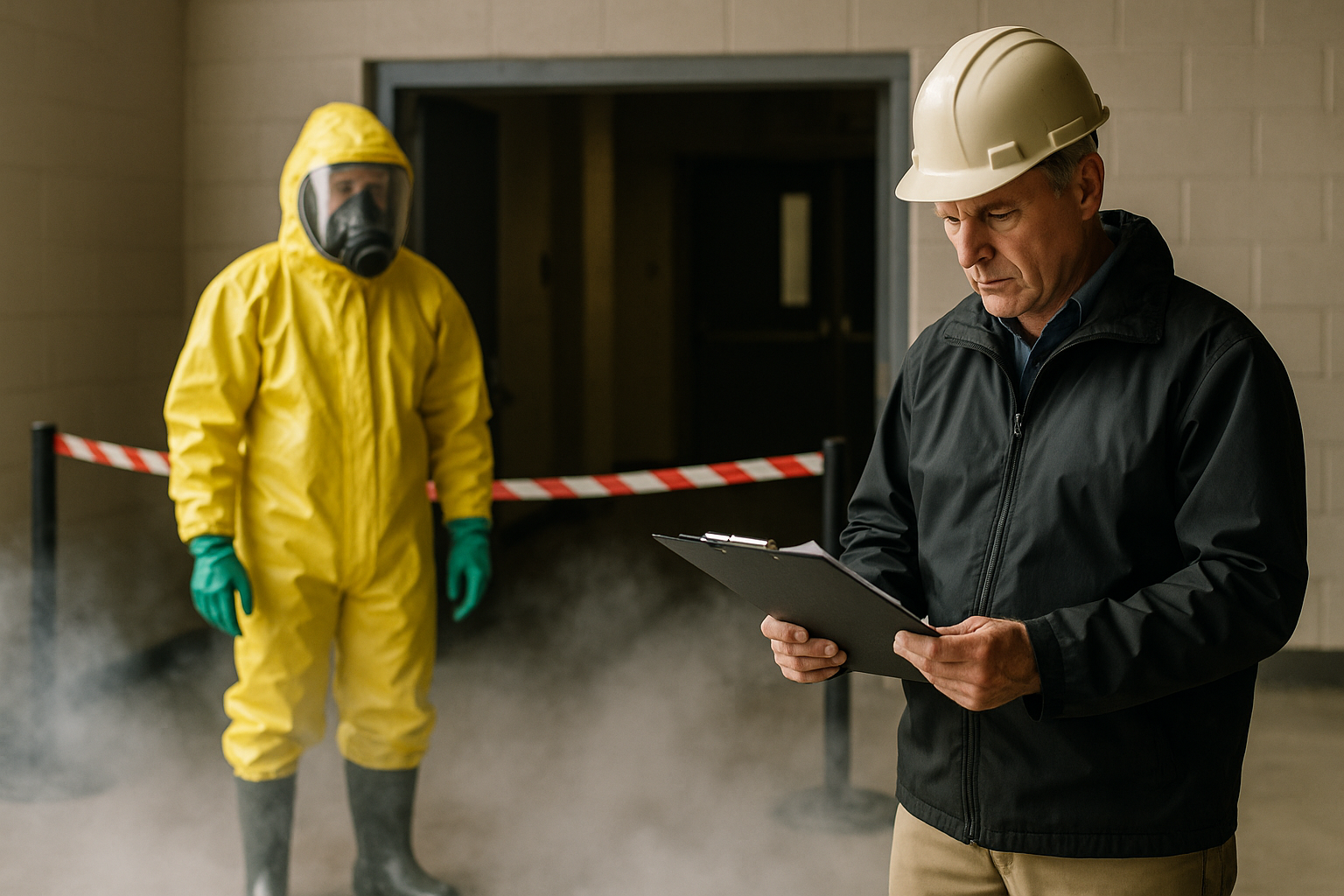
Use SDS data before spill entry: if off-gassing or IDLH conditions are possible, SCBA may be required and half-face respirators are not enough.
Published: August 11, 2026 · By Steven Brooks
Category: Industrial Safety
Frequently Asked Questions
Can a spill response drill still be a failure if the team followed the basic steps?
Yes. If the team controls the scene and completes the task but chooses PPE that does not match the actual hazard, the response has a critical failure.
What was the main mistake in Steven Brooks' field story?
The team did not use the SDS information to select the right respiratory protection. The scenario called for SCBA, but they entered with half-face respirators.
Why is the SDS so important during a HAZWOPER drill?
The SDS helps the team identify inhalation hazards, reactivity, incompatibilities, and PPE needs. It should directly affect entry decisions, not just be reviewed as paperwork.
When should a team move away from half-face respirators during spill response?
When concentrations are unknown, the atmosphere may be IDLH, or chemical mixing could create toxic off-gassing, half-face respirators are not enough. In those situations, SCBA is the controlling protection.
How can EHS managers improve spill-response performance after this kind of lesson?
Use drills that force teams to interpret SDS details, reassess hazards, and justify PPE choices. Annual refresher training is a good place to practice those decisions.