Hidden Chemical and Confined Space Risks at Wastewater Facilities
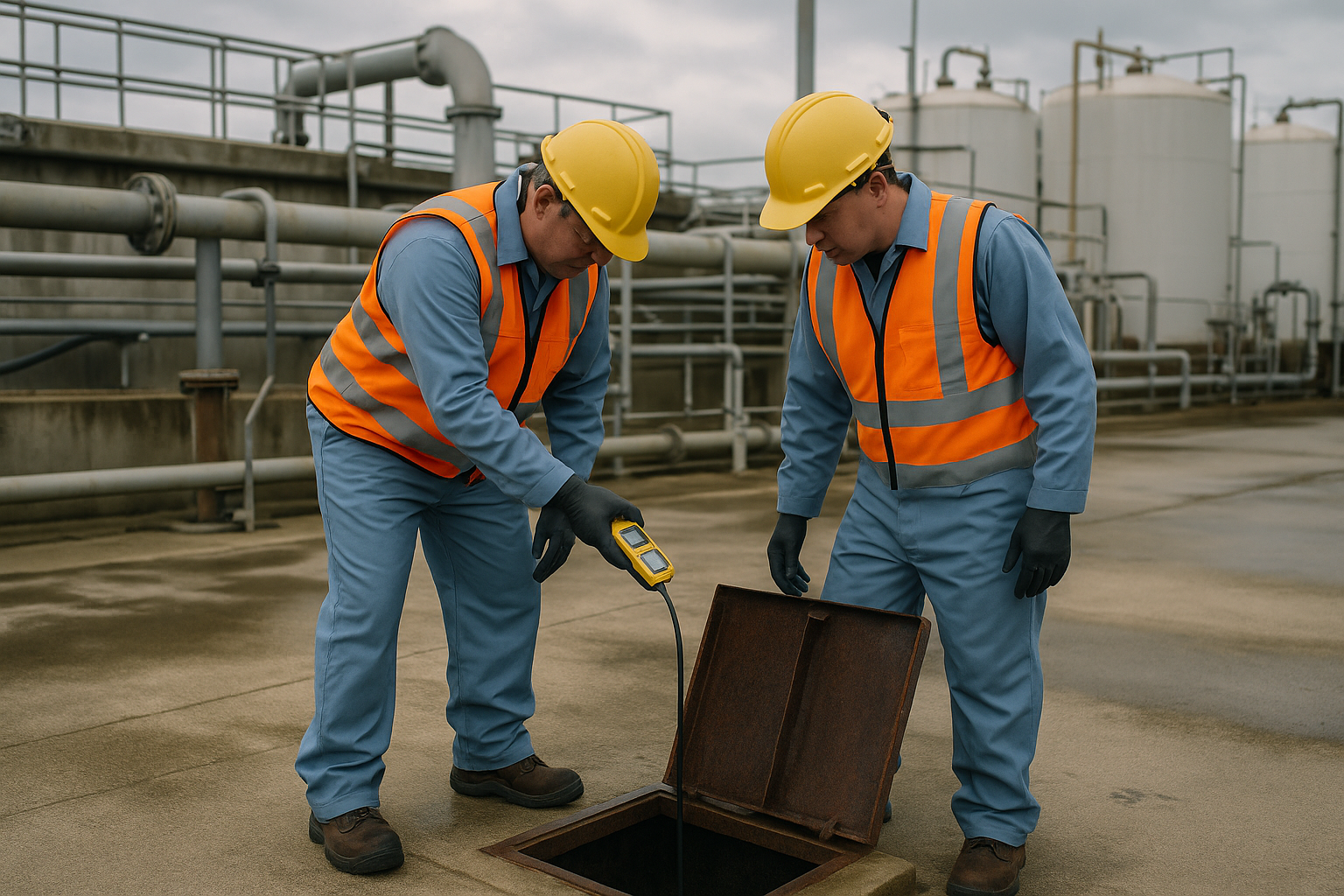
Hidden chemical and confined space risks at wastewater facilities often build during routine work. Learn what EHS managers should review first.
Published: June 15, 2026 · By SafetyNet Editorial Team
Updated: June 27, 2026
Category: Industrial Safety
Frequently Asked Questions
Why are chemical and confined space hazards easy to miss at wastewater facilities?
Because many tasks feel routine, changing conditions can go unnoticed until risk builds quickly. Aging infrastructure, process upsets, staffing changes, contractors, and poor ventilation can all turn familiar work into a high-risk situation.
What chemical hazards should EHS managers watch for in wastewater operations?
The post highlights toxic inhalation exposures, chemical incompatibility, off-gassing, splash and burn injuries, and residual exposure during cleanup or maintenance. It also notes that hydrogen sulfide is not the only concern, since methane, carbon dioxide, chlorine-related vapors, and oxygen-deficient atmospheres can also develop.
Is a confined space entry permit enough to control wastewater entry hazards?
No. The post says paperwork alone does not control hazards, and the program needs to match real field conditions with atmospheric testing, isolation, ventilation, communication, and rescue readiness.
What should EHS managers review first to catch hidden wastewater risks?
Start with legacy space classifications, temporary or shutdown work, alarm response procedures, contractor coordination, gas monitoring practices, and rescue plans. Walking jobs with operators and maintenance leads can also reveal near misses, recurring trouble spots, and workarounds that do not show up in reports.
Why shouldn't workers rely on smell or past experience to judge atmospheric hazards?
Because dangerous atmospheres and chemical exposures can develop without clear warning. The post notes that some gases have poor warning properties at dangerous levels, so smell and experience are weak safeguards.