How AI Is Changing Safety Consulting Without Replacing It
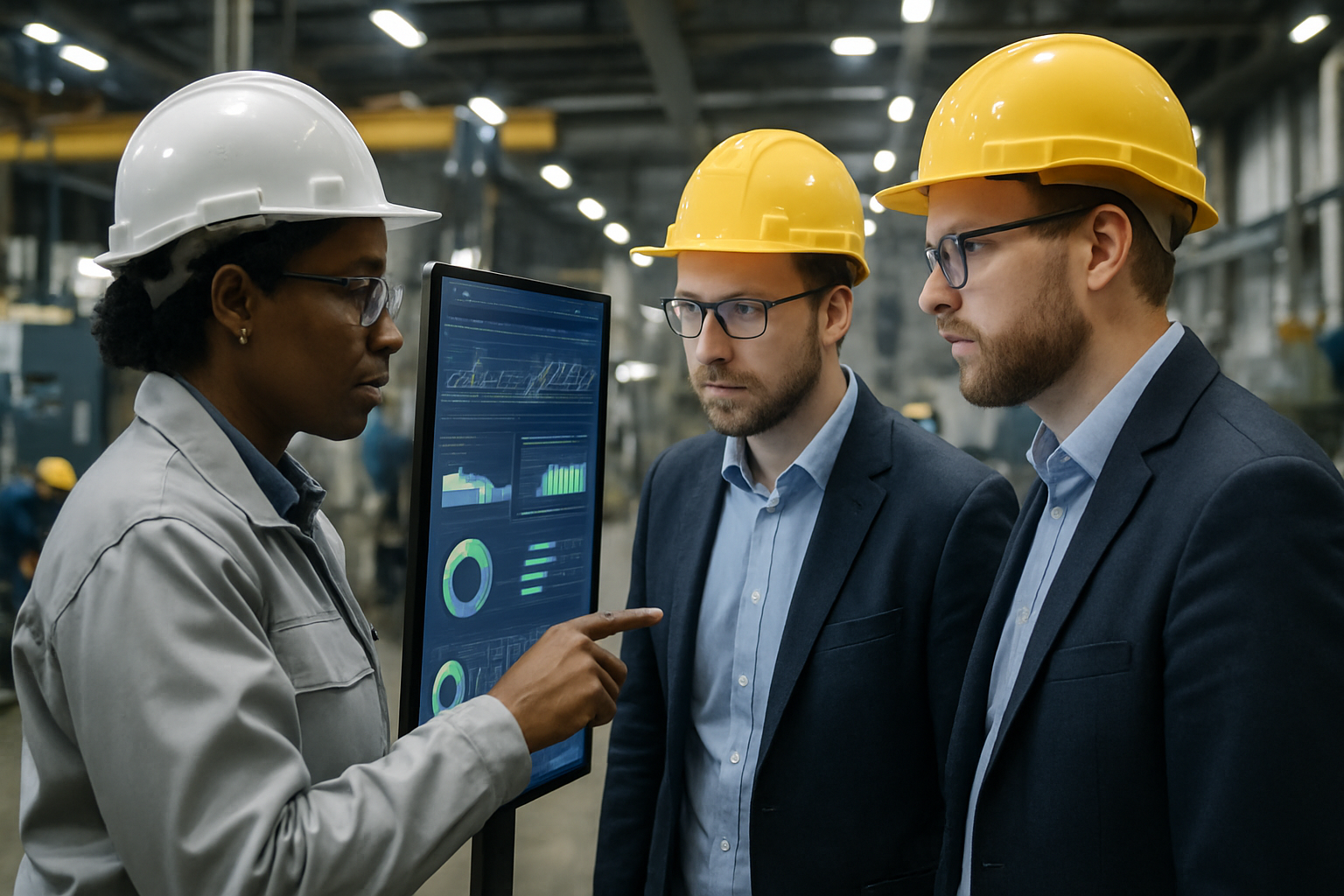
Learn how AI is changing safety consulting: automate repetitive tasks, keep human review for field decisions, and add guardrails for risk and compliance.
Published: June 26, 2026 · By SafetyNet Editorial Team
Updated: June 27, 2026
Category: Industrial Safety
Frequently Asked Questions
Will AI replace safety consultants?
No. The post says AI is not expected to replace professional EHS consultants and is best used to support repetitive work. Human expertise still matters for field realities, difficult conversations, and recommendations that fit the operation.
What safety consulting tasks is AI most useful for?
AI is most useful for repeatable, administrative, and data-heavy work. Examples in the post include organizing inspection findings, summarizing incident reports, sorting observation data, drafting first-pass documents, flagging overdue action items, and searching across policies or past assessments.
Why does human judgment still matter in safety consulting if AI can process information?
The post explains that AI does not walk the site, build trust with supervisors, or understand practical tradeoffs behind a recommendation. People are still needed to judge what will work in the field, balance production and risk, coach leaders, and adapt programs to the site's culture and hazards.
How is AI changing the role of a safety consultant?
According to the post, the role is shifting from manually compiling information to interpreting results and advising leaders on priorities, systems, and corrective actions. That means more focus on validating patterns, supporting decisions, and helping sites move from findings to action.
How should EHS managers use AI without creating new safety or compliance risks?
The post recommends using AI as a support tool with guardrails, not as a final authority. That includes human review, validating regulatory references and site fit, protecting sensitive information, setting clear internal rules, and documenting human review for high-consequence decisions.