How California Facilities Can Avoid Stormwater Citizen Lawsuits
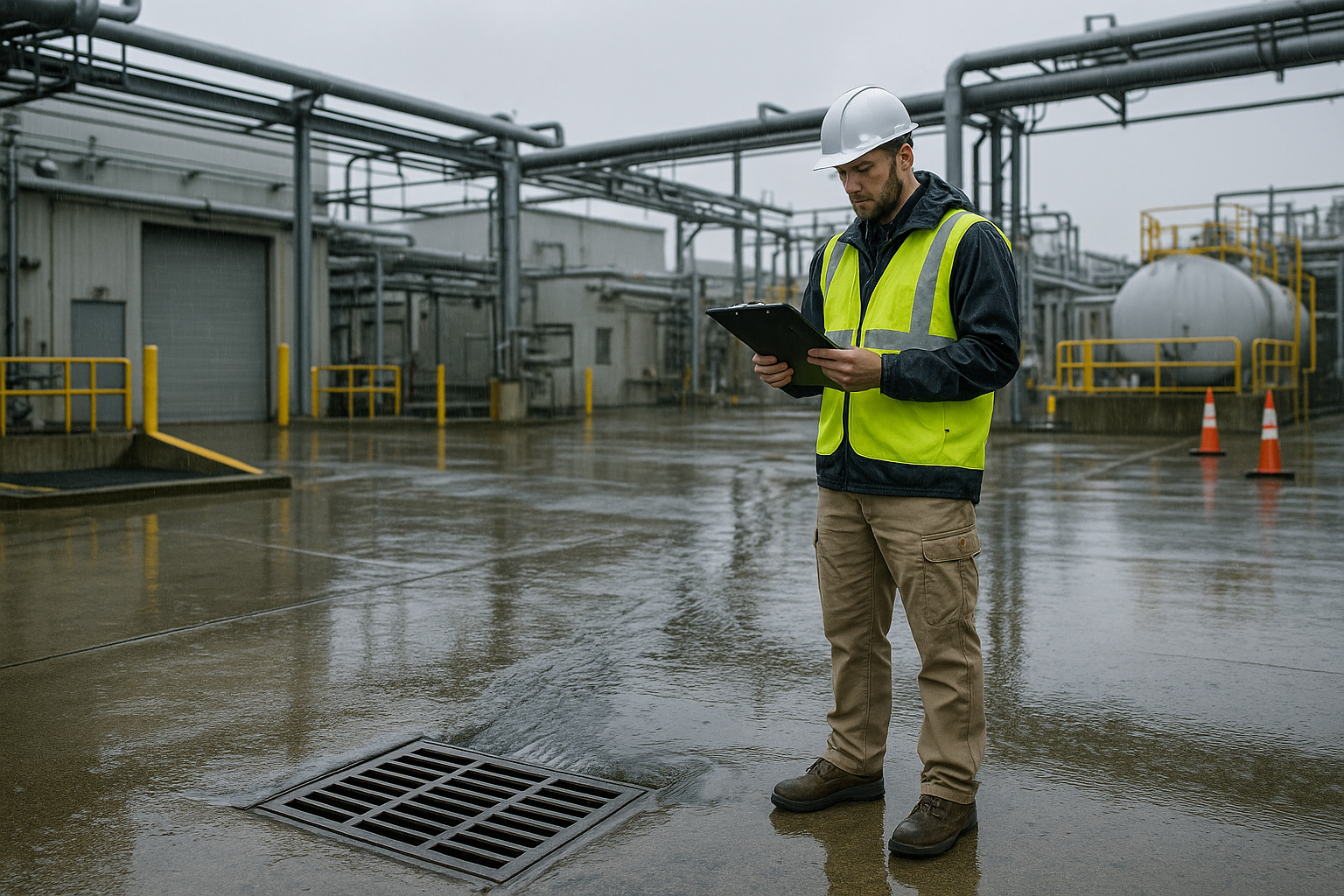
California stormwater citizen suits often hinge on public sampling data, BMP gaps, and slow corrective action. Learn how facilities can reduce risk.
Published: June 27, 2026 · By SafetyNet Editorial Team
Category: Industrial Safety
Frequently Asked Questions
Why are California industrial facilities more exposed to stormwater citizen suits?
Because stormwater compliance information and monitoring data are often public, outside groups can review trends, reports, and corrective action history. Repeated exceedances and weak documentation can attract legal pressure.
What are numeric effluent limitations in stormwater compliance?
They are pollutant-specific discharge limits tied to a facility or receiving-water condition. They matter because they create a clearer compliance line when sampling results come in above an applicable limit.
What documents matter most if a facility is challenged over stormwater compliance?
Your Stormwater Pollution Prevention Plan, sampling records, inspection findings, BMP maintenance records, and corrective action logs are all critical. Together, they show whether the site identified problems and acted on them.
How can an EHS manager lower the risk of a Clean Water Act citizen suit?
Focus on site-specific BMPs, accurate sampling, fast corrective action, and records that match actual field conditions. The goal is to prevent repeated pollutant trends and show disciplined follow-through when issues arise.
Is stormwater compliance just an environmental department responsibility?
No. The article explains that runoff contamination usually involves operations, maintenance, shipping, procurement, and contractors, so stormwater control works best as a cross-functional management issue.