How to Comply With EM 385 to Win Construction Work and Avoid Violations
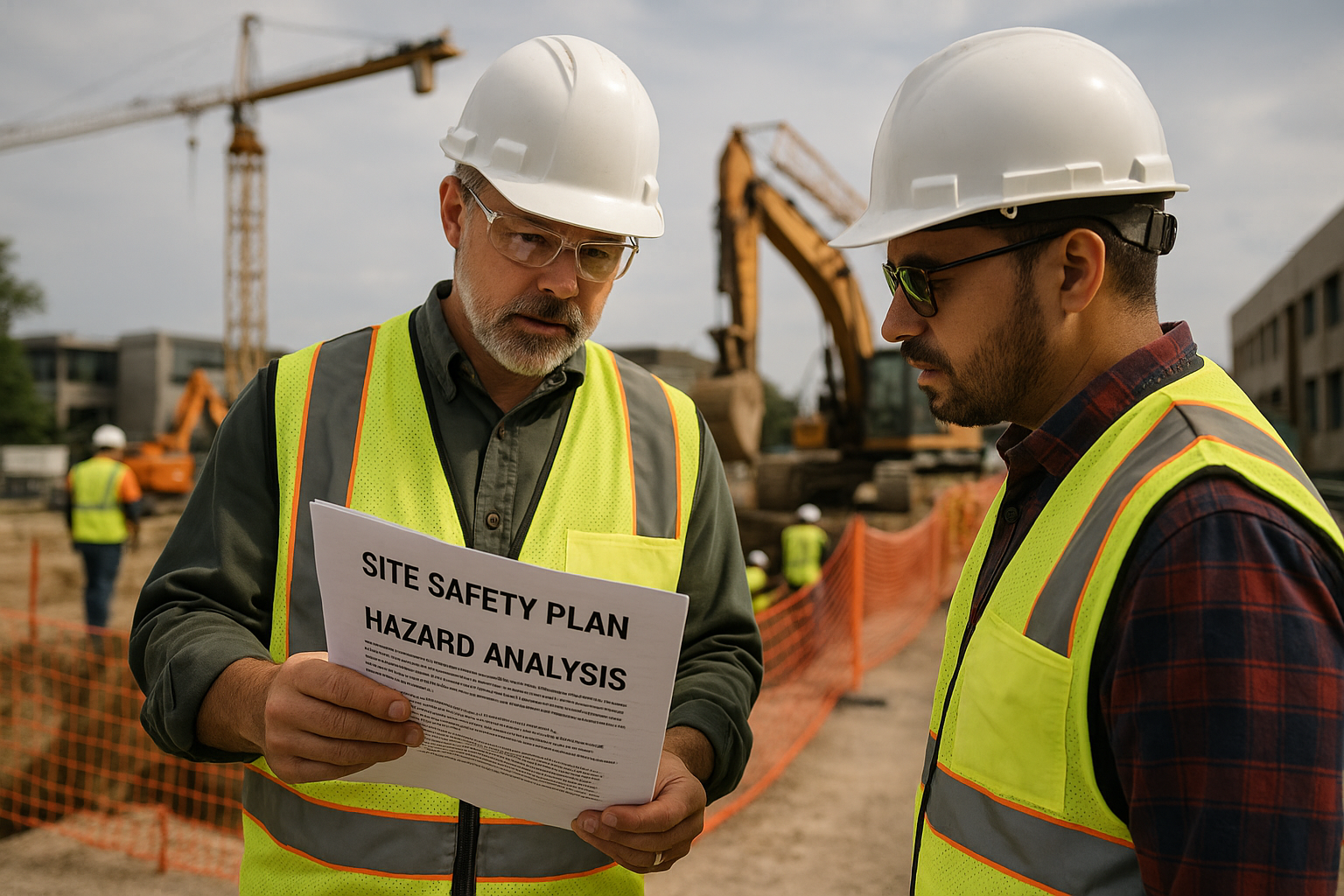
EM 385 compliance can determine bid readiness and mobilization. Learn how to align APPs, AHAs, training, and field execution to avoid findings.
Published: July 2, 2026 · By SafetyNet Editorial Team
Category: Industrial Safety
Frequently Asked Questions
Is EM 385 the same as OSHA compliance?
No. OSHA construction rules still apply, but EM 385 is often a contract-driven requirement with added expectations for written plans, hazard analyses, inspections, training, and designated roles.
What documents should be ready before an EM 385 project starts?
At minimum, contractors should have an Accident Prevention Plan, Activity Hazard Analyses, emergency procedures, training records, inspection tools, and a process for subcontractor onboarding and oversight.
What are common EM 385 compliance problems on site?
Common issues include plans that do not match field conditions, copied AHAs, incomplete corrective-action follow-up, weak subcontractor control, and supervisors who are not aligned on the approved work controls.
Does EM 385 matter during bidding, or only after award?
It matters during both. Strong EM 385 readiness can support pre-award reviews, while weak preparation can delay mobilization or create problems once work begins.
How can an EHS manager improve EM 385 compliance quickly?
Start with a gap review of contract requirements against your current program. Then tighten templates, clarify roles, train supervisors, and make sure document updates follow changes in field conditions.