How to Inspect Trenching and Shoring: What Safety Leaders Should Look For
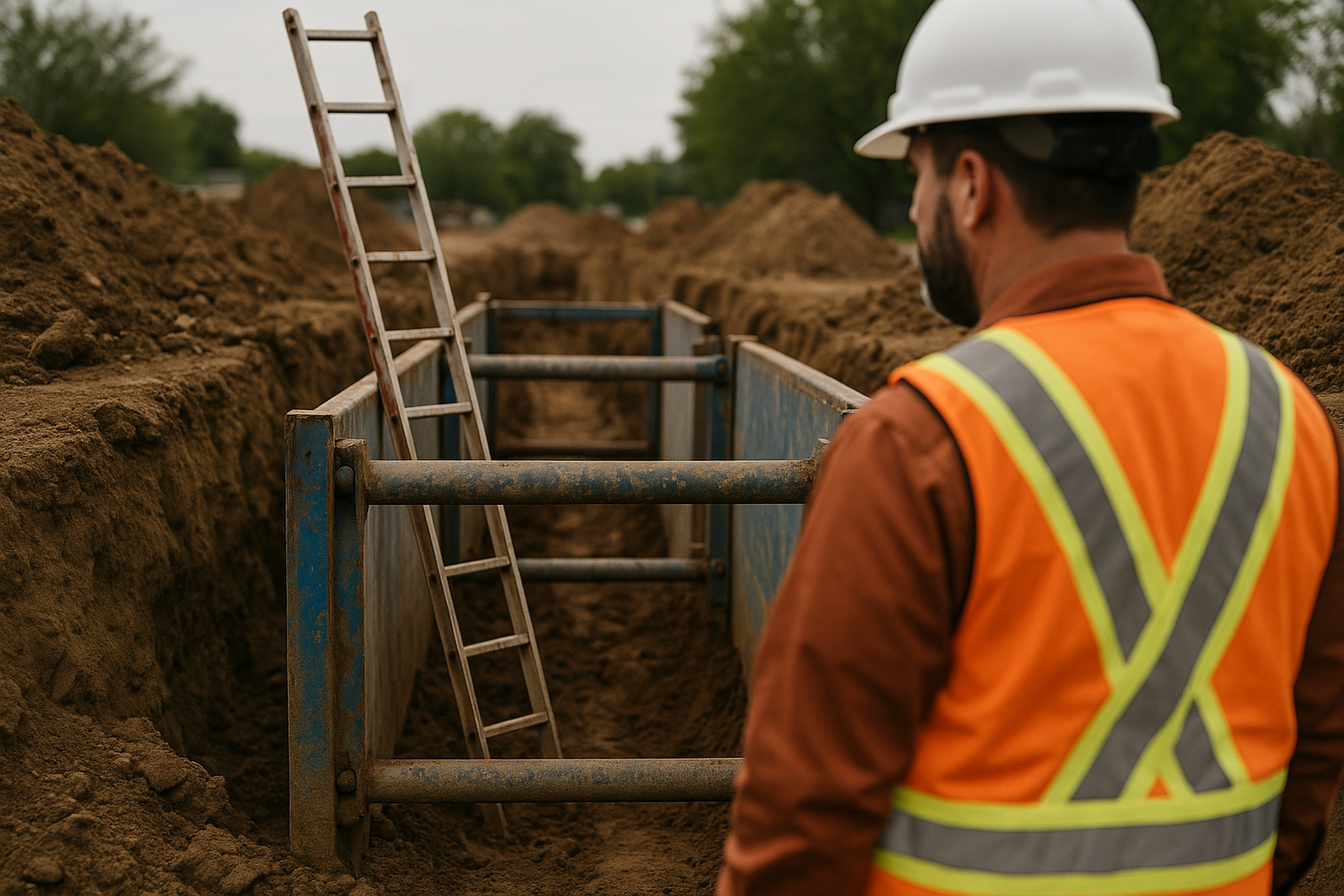
Learn how to inspect trenching and shoring before entry, spot changing conditions, and know when OSHA requires reinspection or stop-work.
Published: July 1, 2026 · By SafetyNet Editorial Team
Category: Industrial Safety
Frequently Asked Questions
Who should inspect a trench before workers enter?
A competent person should inspect the excavation, adjacent areas, and protective system before entry. The article also recommends reinspection whenever site conditions change.
What are the main things to look for during a trench inspection?
Focus on soil condition, water intrusion, spoil placement, access and egress, nearby loads or vibration, and the condition of the shoring or shielding. Also look for wall cracking, bulging, sloughing, and other signs of instability.
When does a trench need to be reinspected?
It should be reinspected daily and after any rainstorm or hazard-increasing event. The article also calls out vibration, equipment movement, water accumulation, and layout changes as common triggers.
What are common signs that shoring may no longer be adequate?
Warning signs include damaged members, leaking hydraulic components, missing parts, loose contact against trench walls, twisting, displacement, and soil loss behind the system. If the trench geometry or soil has changed, the original system may no longer fit the conditions.
Is having a trench box on site enough to protect workers?
No. The article explains that a trench box or shield must be inspected, positioned correctly, and matched to the actual work area. A box that is present but poorly placed can still leave workers exposed.