How to Run an Effective, Compliant Storm Water Program in 2026
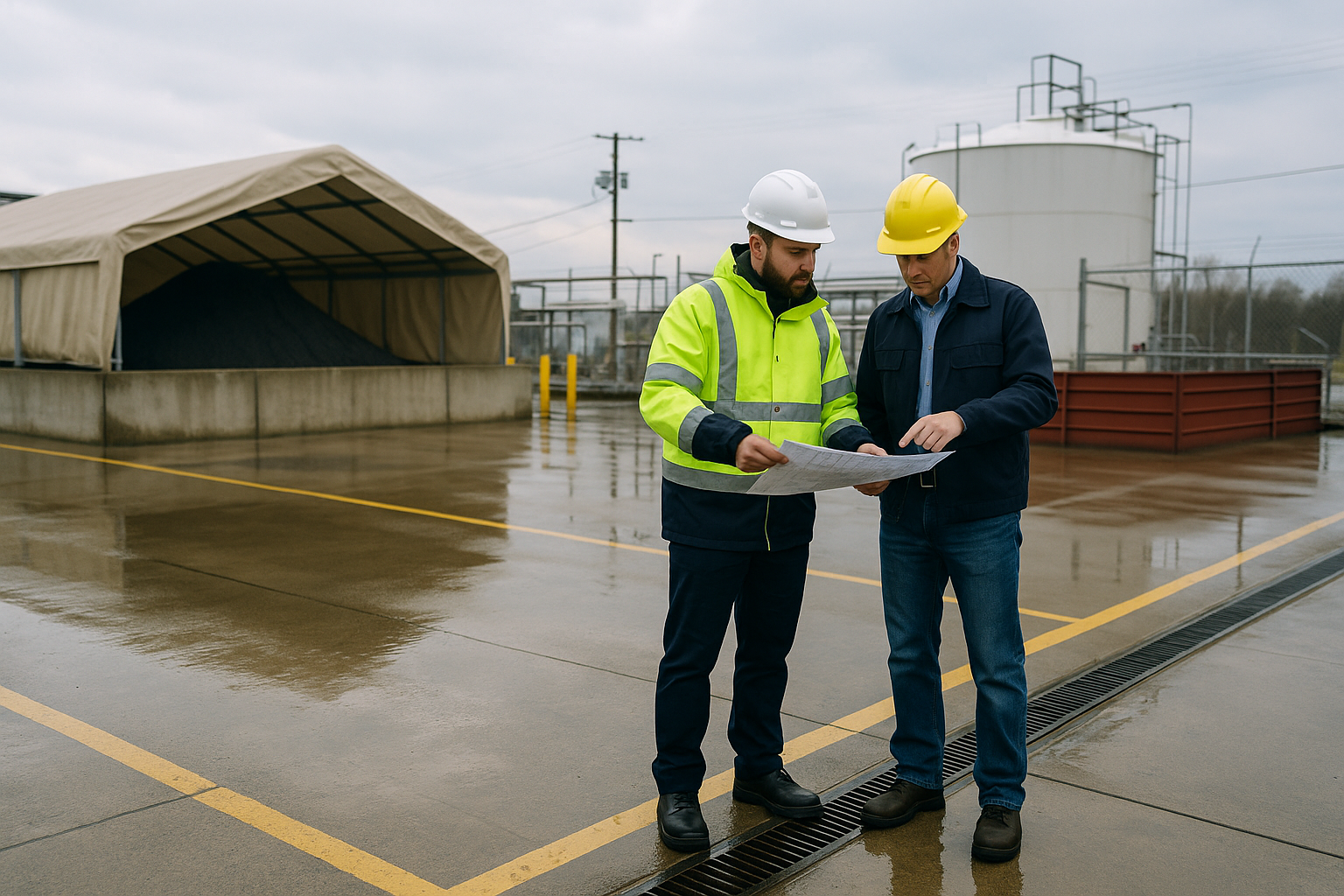
Keep your storm water program compliant in 2026 by aligning the SWPPP, training, inspections, and corrective actions with real site conditions.
Published: June 30, 2026 · By SafetyNet Editorial Team
Category: Industrial Safety
Frequently Asked Questions
What training should employees receive for storm water compliance?
Training should cover the site's permit basics, pollutant sources, housekeeping, spill response, inspections, and documentation. It should also be tied to the jobs employees actually perform in exposed outdoor areas.
Does a storm water program need written procedures?
Yes. Written procedures help define responsibilities, inspection schedules, maintenance steps, spill response, contractor expectations, and corrective action follow-up.
How often should a SWPPP be reviewed?
It should be reviewed whenever site conditions, processes, drainage patterns, or permit requirements change. Repeated findings, spills, or damaged controls should also trigger a review.
Who should be involved in managing an industrial storm water program?
EHS should lead the program, but operations, maintenance, supervisors, shipping, and contractors all play a role. Storm water compliance is stronger when responsibilities are shared across the site.
What are the most common signs a storm water program is slipping?
Common warning signs include outdated maps, poor outdoor housekeeping, incomplete inspections, unresolved corrective actions, and employees who cannot recognize storm water issues in the field.