Laboratory Standard Audit 2026: 10 Chemical Hygiene Plan Gaps OSHA Sees First
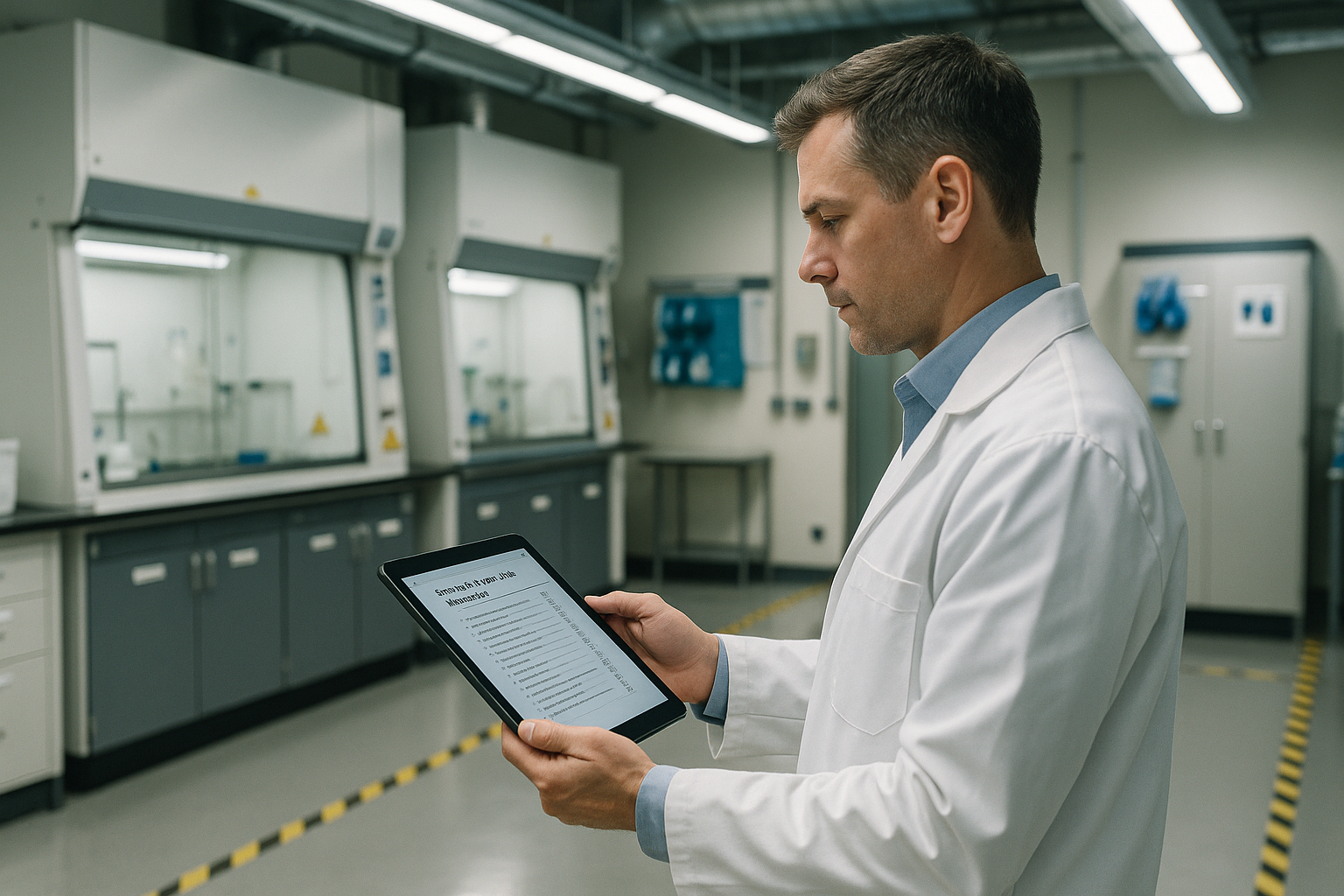
Spot the 10 Chemical Hygiene Plan gaps OSHA sees first in lab audits, from designated areas to training, PPE, and documentation.
Published: July 14, 2026 · By Steven Brooks
Updated: August 9, 2026
Category: Industrial Safety
Frequently Asked Questions
What is the first thing OSHA is likely to look at in a lab audit?
Whether the Chemical Hygiene Plan matches real lab conditions. A generic plan that does not reflect current chemicals, procedures, and controls is an early red flag.
Do designated areas need to be clearly defined in the lab?
Yes. The article explains that designated areas for particularly hazardous substances should have recognizable boundaries, defined handling rules, and clear employee understanding.
What records should be ready during a Laboratory Standard audit?
Lab managers should be ready to show the current CHP, training records, SOPs, SDS access, ventilation inspection records, incident reports, and corrective-action follow-up.
How can a lab manager tell if exposure controls are strong enough?
Walk the lab with the CHP and verify the written controls are actually in place. Review substitution options, engineering controls, work practices, and PPE against the tasks employees perform.
Why are documentation gaps such a problem if controls exist?
Because missing records make it hard to show the program is active and managed. In an audit, undocumented inspections, training, or corrective actions can suggest the system is not functioning consistently.