Machine Guarding JHA for Large Conveyance Systems
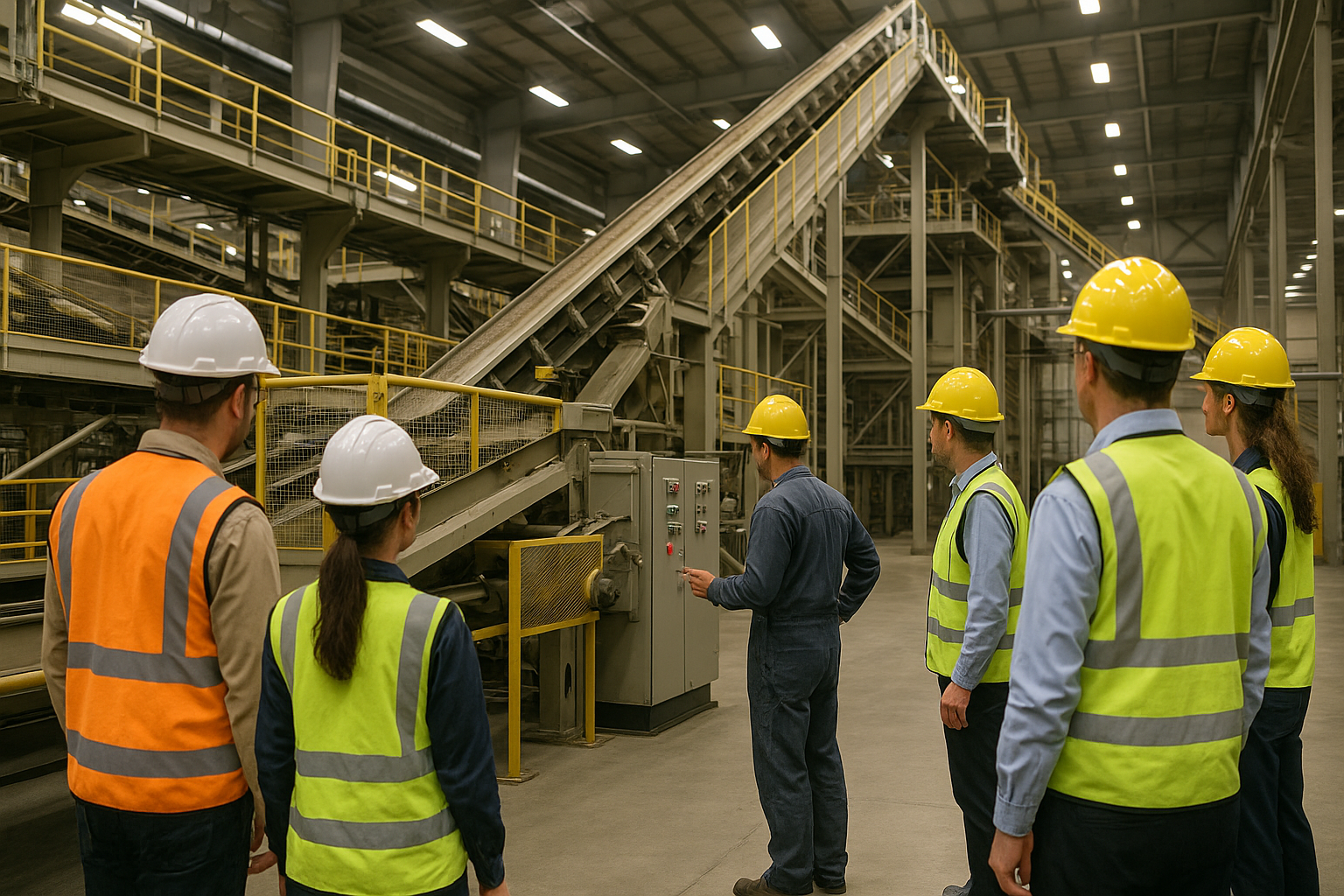
Learn how a machine guarding JHA for large conveyance systems maps tasks and exposure points to OSHA, ANSI, NFPA, and ISO requirements.
Published: July 2, 2026 · By SafetyNet Editorial Team
Category: Industrial Safety
Frequently Asked Questions
What is the first step in a conveyor machine guarding JHA?
Start by breaking the conveyance system into zones and listing the tasks performed in each one. Then identify where people can contact moving parts, enter danger zones, or be exposed during servicing or cleaning.
Does a conveyor guarding review need to include maintenance and jam clearing?
Yes. The article emphasizes that non-routine work like maintenance, cleaning, and jam clearing often creates exposures that are not obvious during normal production.
Which OSHA rules are most relevant to large conveyance system guarding?
The article highlights 29 CFR 1910.212 for machine guarding, 29 CFR 1910.147 for lockout/tagout, and 29 CFR 1910.303 for electrical requirements. These form the legal baseline for the assessment.
Why use ANSI, NFPA, and ISO standards if OSHA already applies?
OSHA sets the mandatory requirement, but the consensus standards help define a structured risk assessment process and support safeguarding decisions. They are especially useful when conveyor hazards vary by task and access point.
How often should a conveyor machine guarding JHA be updated?
Update it after equipment changes, recurring jams, guarding damage, or when maintenance methods change. The article also recommends periodic reassessment to confirm controls still match real work.