Meeting California’s Tougher Blood Lead Level Rules at Work
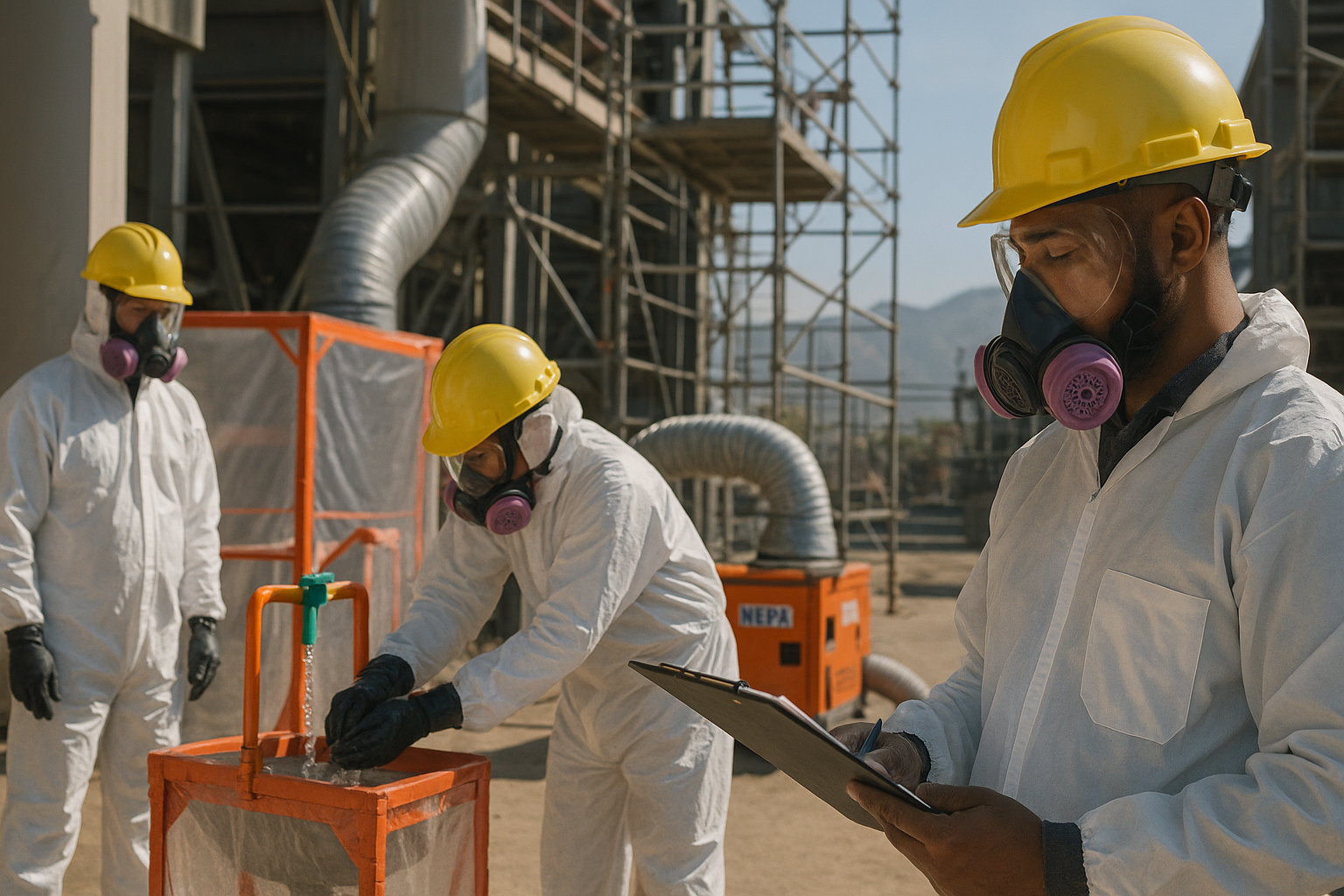
Meet California’s tougher blood lead level rules with earlier intervention, stronger controls, and clear removal and return-to-work steps.
Published: June 25, 2026 · By SafetyNet Editorial Team
Updated: June 27, 2026
Category: Industrial Safety
Frequently Asked Questions
What changed in California's lead rules for employers?
California lowered the blood lead level triggers that drive employer action, so teams need to identify exposure earlier and move faster on worker removal and return-to-work decisions. The post points EHS leaders to Title 8, Section 5198 for general industry and Title 8, Section 1532.1 for construction.
When does a worker need to be removed from lead work under the construction standard?
The post highlights the construction standard’s worker removal framework reflecting the 20 μg/dl blood lead level. It emphasizes that employers need clear removal procedures and close coordination with occupational health providers.
Why are older lead compliance programs falling short in California?
Many older programs rely on historical sampling, PPE, annual training, and reacting only after results come back high. The post says common gaps include weak housekeeping, missed take-home exposure pathways, delayed blood lead result review, and supervisors not spotting high-exposure tasks.
What controls should EHS managers focus on first to reduce blood lead levels?
The post says to focus first on source and pathway controls like containment, local exhaust ventilation, wet methods where suitable, dust-reducing tools and methods, and stopping dry sweeping. It also stresses hygiene steps such as handwashing and changing facilities, separating clean and contaminated gear, and controlling where workers eat, drink, or use tobacco products.
What should an EHS manager do first to prepare for California's tougher blood lead rules?
Start with a realistic gap review based on actual field conditions, not just written procedures. Then update exposure assessments and sampling, confirm medical surveillance workflows, verify removal and return-to-work procedures, inspect hygiene and housekeeping practices, and retrain supervisors on task-specific lead risks.