Needlestick Injuries Still Demand Attention: Using BLS 2024 Data in Hospitals
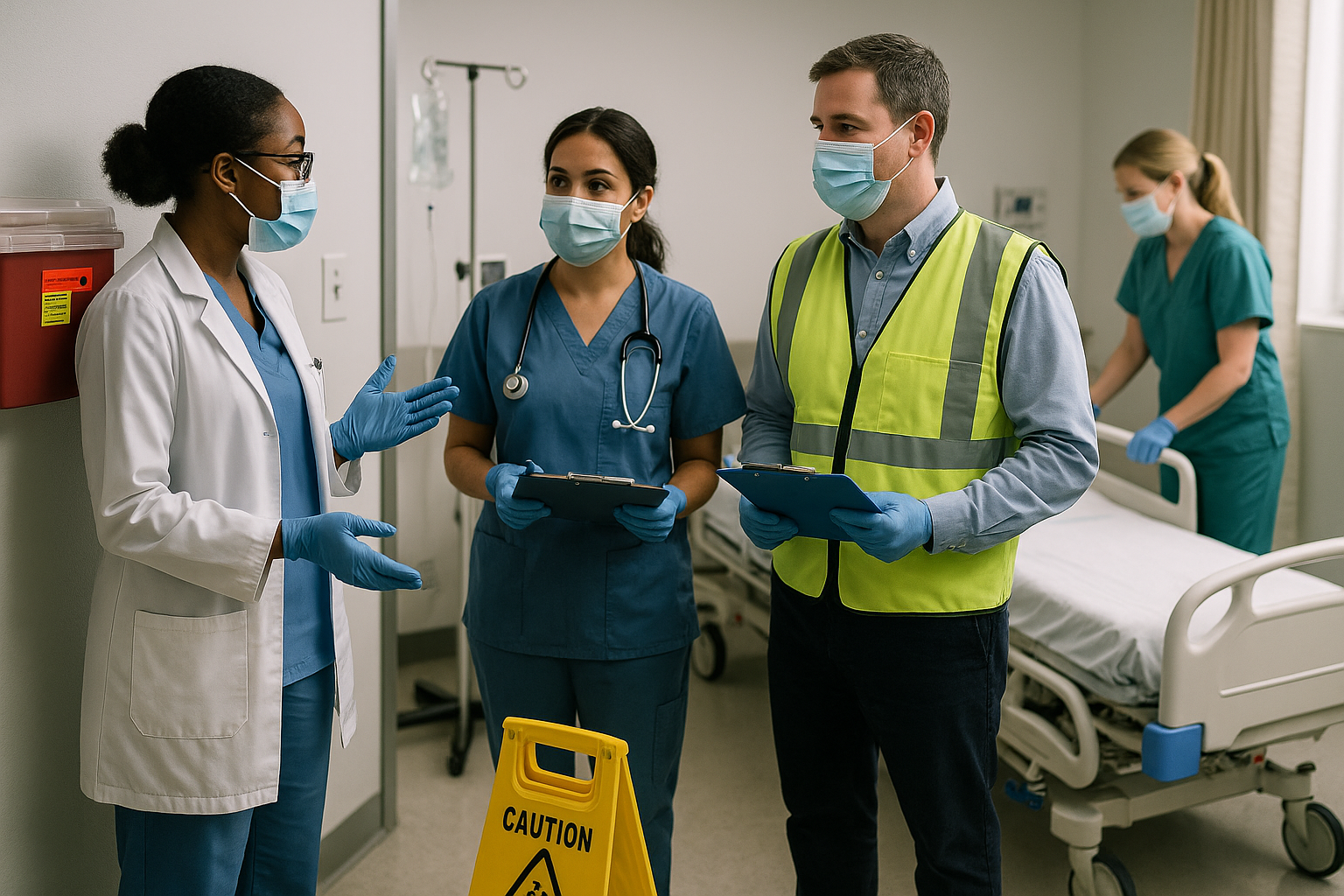
Use BLS 2024 hospital injury data to target needlestick prevention by department, task, and device—not just annual training.
Published: June 29, 2026 · By SafetyNet Editorial Team
Category: Industrial Safety
Frequently Asked Questions
What is the first step in improving hospital sharps prevention?
Start by reviewing your recent sharps cases and logs by department, device type, task, and location. That helps you identify where exposures are actually happening instead of relying on broad systemwide training.
Does annual training by itself prevent needlestick injuries?
Usually not. The article stresses that repeat injuries often point to device, workflow, disposal, or room-setup problems that training alone will not fix.
Which departments should hospitals review first?
Begin with departments showing repeat patterns in sharps, overexertion, slip, or patient-handling cases. Common high-risk areas include the ED, OR, inpatient units, labs, sterile processing, and environmental services.
How should EHS and employee health teams use injury data together?
They should combine OSHA log cases, sharps logs, employee health reports, first-aid events, and near misses into one review process. Looking at the same cases together helps teams spot recurring tasks, locations, and device issues.
What makes a prevention action more effective than generic retraining?
Actions tied to the actual exposure condition tend to work better, such as changing device selection, moving sharps containers, improving lift-equipment access, or adjusting workflow in a specific unit.