NFPA 70B in Agriculture: What to Change in Electrical Maintenance Now
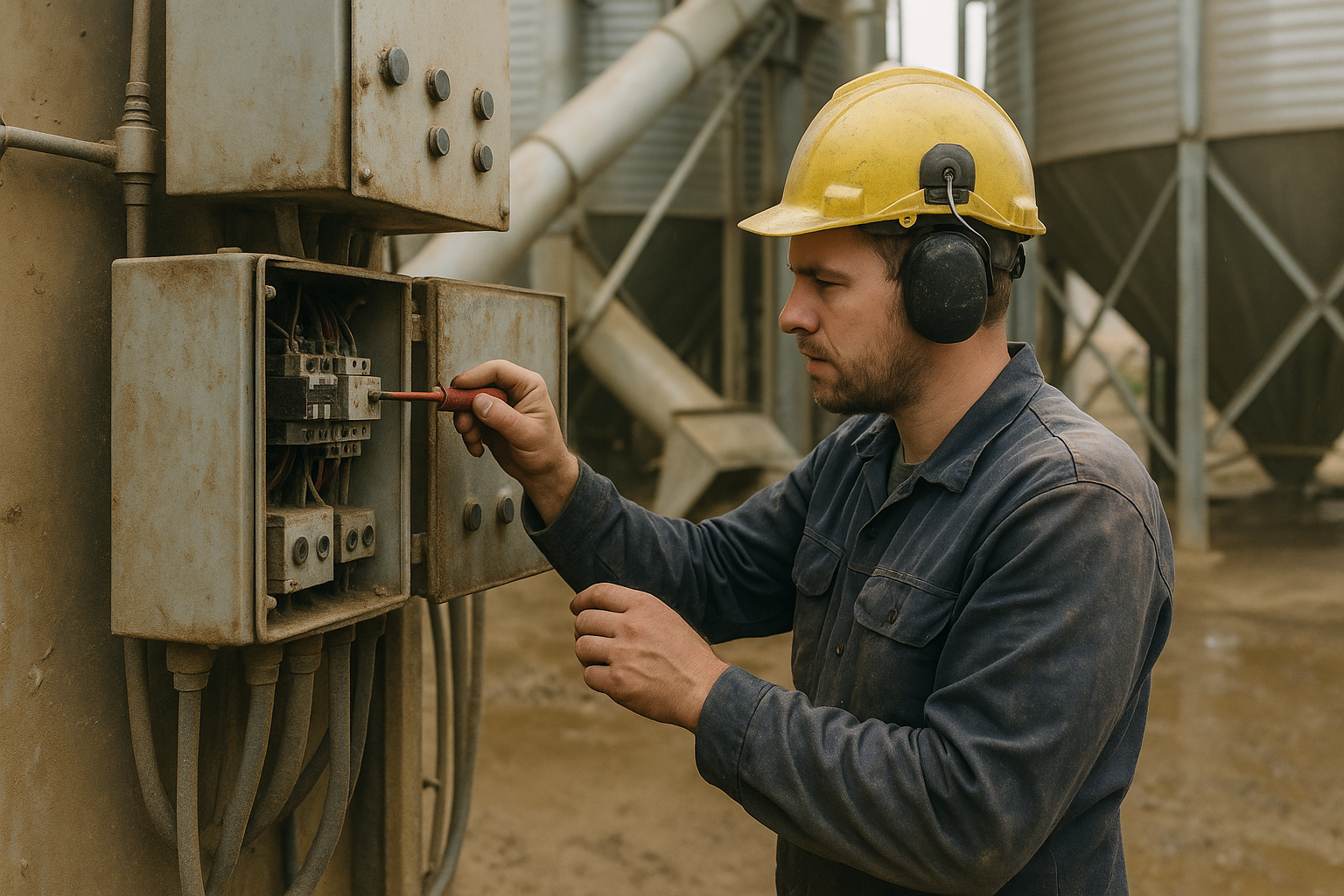
NFPA 70B now expects documented electrical maintenance. Learn what ag facilities should change for dust, moisture, corrosion, and records.
Published: June 28, 2026 · By SafetyNet Editorial Team
Category: Industrial Safety
Frequently Asked Questions
What changed when NFPA 70B became a standard?
The main change is that electrical maintenance is now framed with clearer, more formal expectations. Facilities should treat maintenance as a documented, repeatable program rather than an informal practice.
Why are agricultural facilities affected more than some other sites?
Agricultural environments often combine dust, moisture, corrosion, vibration, and temperature swings. Those conditions can degrade electrical equipment faster and require more targeted maintenance.
Do all electrical assets need the same maintenance schedule?
No. The article recommends a risk-based approach where maintenance intervals reflect equipment criticality, environmental exposure, duty cycle, and condition.
What should be documented in the electrical maintenance program?
Facilities should document the equipment inventory, inspection and test intervals, findings, corrections made, and any open issues. Written criteria for what technicians must look for are also important.
Where should an ag facility start if the program is informal today?
Start with the highest-risk equipment in the harshest environments, such as dusty, wet, corrosive, or outdoor areas. Then build clearer inspection criteria, corrective-action triggers, and records around those assets.