NFPA 70E 2024 & OSHA 1910.333: Arc Flash Boundaries, PPE, and Training
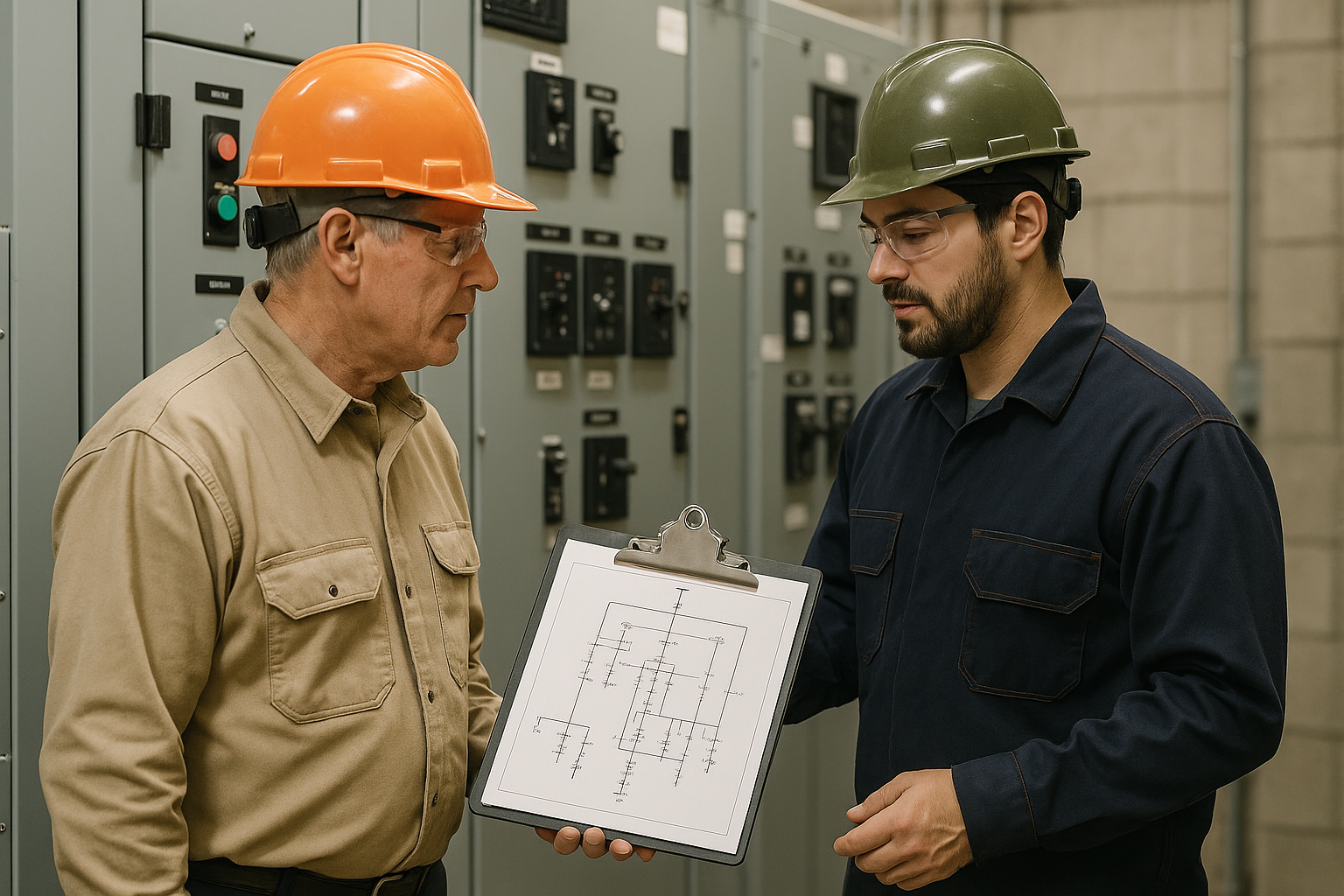
NFPA 70E and OSHA 1910.333 guide arc flash boundaries, PPE, and qualified-person training. Verify labels, studies, and task-based training.
Published: August 3, 2026 · By Steven Brooks
Updated: August 9, 2026
Category: Industrial Safety
Frequently Asked Questions
Does OSHA 1910.333 itself define all qualified person training requirements?
No. OSHA 1910.333 covers safe work practices, while 1910.332 covers the training employees need when they face electrical hazards. In practice, employers often use NFPA 70E to structure and document that training.
Can I use an NFPA 70E table instead of an arc flash study?
Sometimes. The article explains that table-based selection works only when the task, equipment type, fault-current range, clearing time, and other conditions match the table assumptions.
Does low voltage mean low arc flash risk?
No. Low-voltage equipment can still present serious arc flash exposure depending on available fault current and protective-device clearing time.
What should an arc flash label help my crew do in the field?
It should clearly support boundary and PPE decisions for the actual equipment being worked on. The article stresses that labels need to match the current study and the real field conditions, not just exist for compliance.
When should qualified-person training be refreshed?
Refresh it when duties change, equipment changes, procedures change, or employee performance shows the program is not being applied correctly. Qualified status should be tied to the work and hazards actually present.