NFPA 70E 2024 Training Priorities for Manufacturing Maintenance Teams
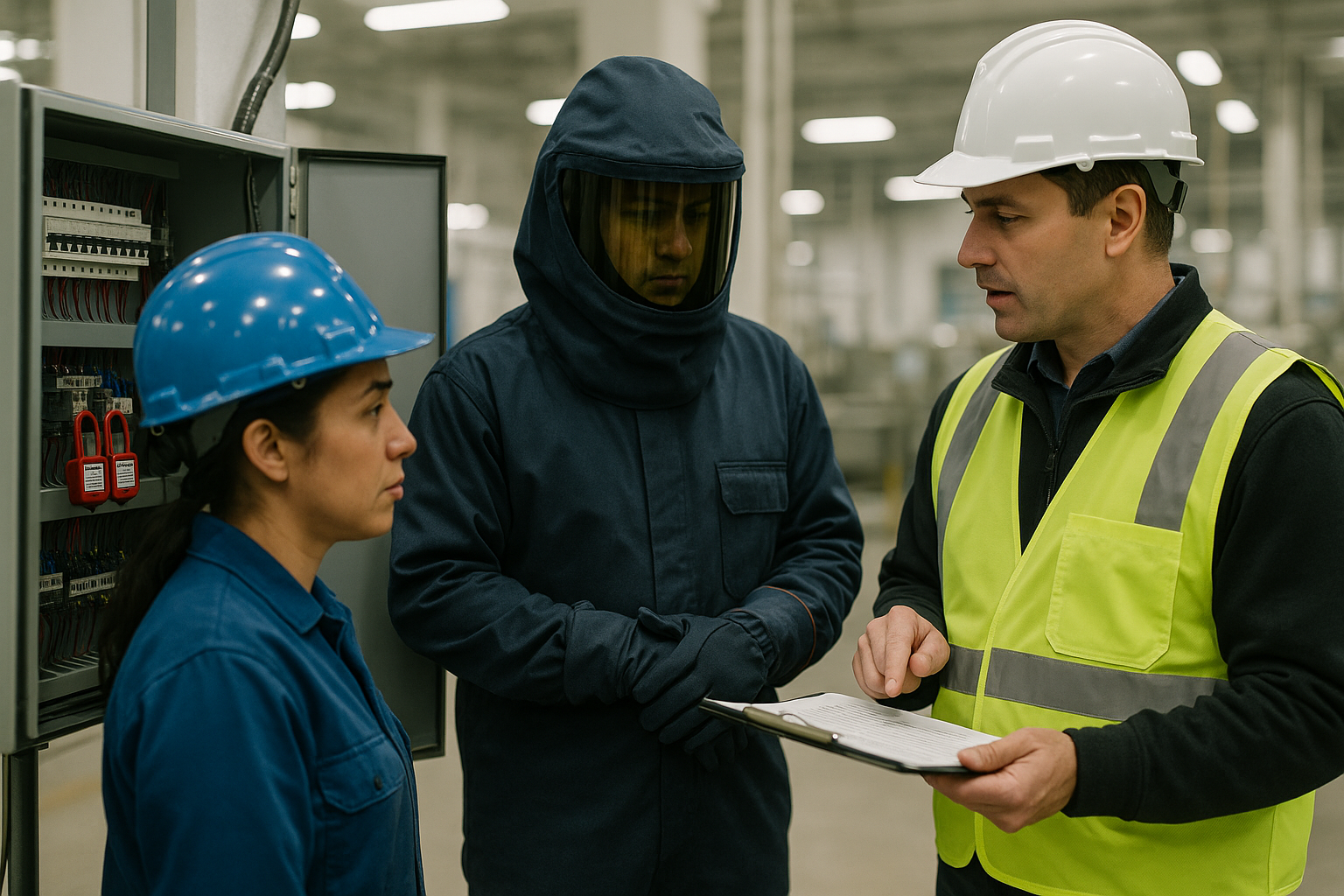
NFPA 70E 2024 training should help maintenance teams decide when de-energizing is required, how normal operation is evaluated, and where lockout fits.
Published: July 3, 2026 · By SafetyNet Editorial Team
Category: Industrial Safety
Frequently Asked Questions
Does NFPA 70E 2024 apply only to electricians?
No. In manufacturing, mechanics, technicians, supervisors, and others may make decisions that affect electrical exposure, so training should be based on tasks and risk, not job title alone.
What should supervisors teach about justified energized work?
They should teach that de-energizing is the default when the task can be done safely that way. Energized work decisions should be reviewed through a clear site process instead of being driven by convenience or production pressure.
Is normal operation the same as low risk?
Not automatically. Normal operation depends on specific conditions such as proper installation, proper maintenance, secured doors and covers, intended use, and no evidence of impending failure.
Why should electrical safety and lockout training be combined?
Because real maintenance work often moves from troubleshooting into servicing and repair. Teams need to know how to transition from energized diagnostic work into isolation, lockout, verification, and stored-energy control.
What is the best way to train maintenance teams on NFPA 70E 2024?
Scenario-based training works well because it mirrors the decisions crews make in the field. Focus on opening equipment, troubleshooting, verifying de-energization, and coordinating multi-trade work.