Oregon OSHA Heat and Smoke Rules in 2026: Supervisor Actions That Hold Up
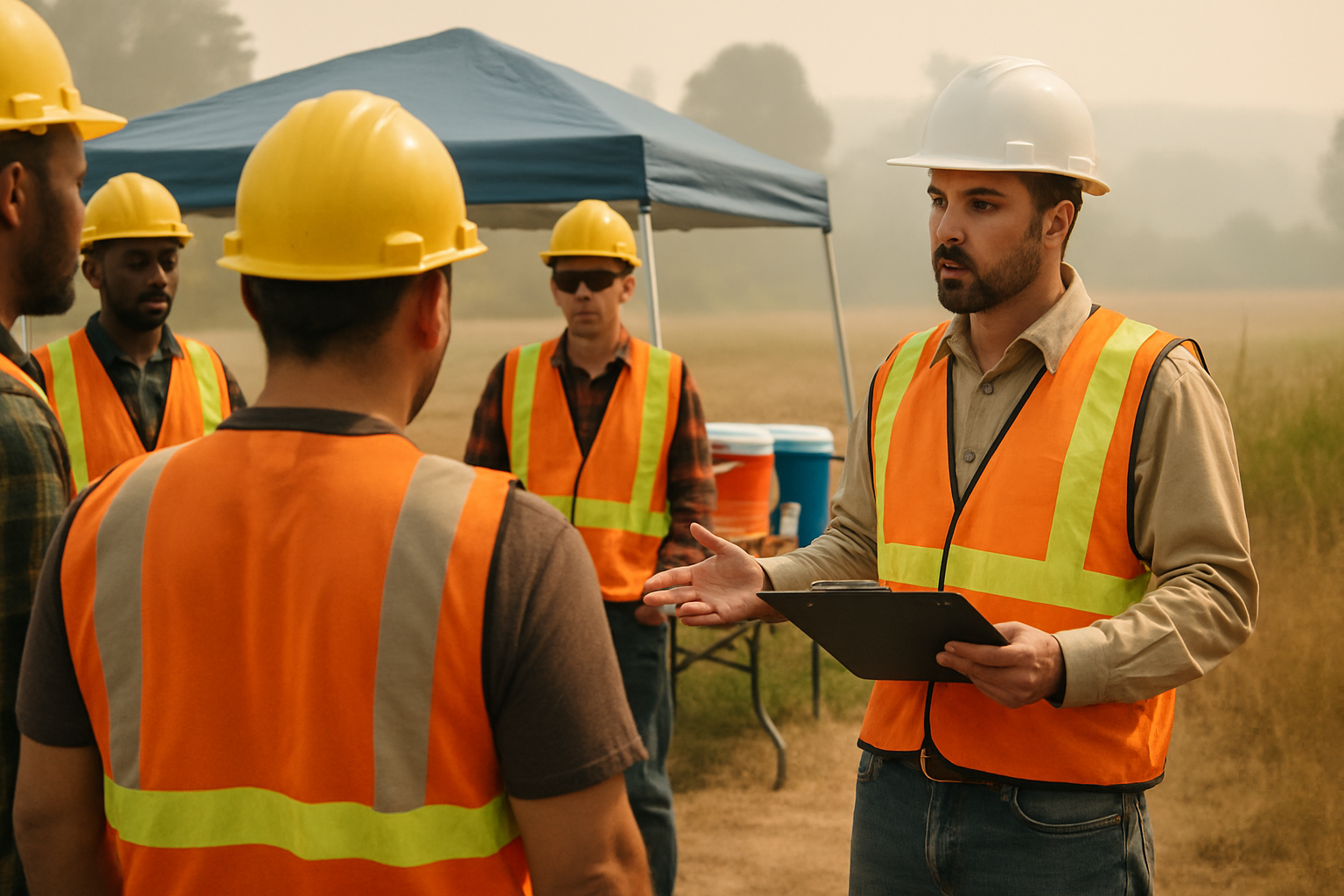
Oregon heat and smoke rules in 2026 require daily supervisor checks, break triggers, respirator decisions, and clear documentation.
Published: August 2, 2026 · By Steven Brooks
Updated: August 9, 2026
Category: Industrial Safety
Frequently Asked Questions
How should supervisors manage workers who are both acclimatizing and working in smoke conditions?
They should identify those workers before the shift, assign closer observation, and reduce exposure through lighter starts, more frequent check-ins, and work adjustments. Mixed heat and smoke exposure should be managed together, not as separate issues.
Does moving employees indoors solve an outdoor heat or smoke problem?
Not automatically. Supervisors should confirm the indoor area is actually less stressful, because some buildings trap heat or do not provide better recovery conditions.
What is the first supervisor question when wildfire smoke affects outdoor work?
The first question is what current smoke conditions mean for that specific work area and whether exposure can be reduced through scheduling, relocation, or shorter duration before relying on respirators.
What should be documented on a hot or smoky day?
Document the conditions checked, crew and location, work changes made, acclimatizing workers monitored, recovery resources verified, training topics covered, respirator decisions, and any symptom reports or stop-work actions.
Why is bilingual training important for heat and smoke compliance?
Because workers need to clearly understand symptoms, break expectations, reporting steps, and respirator limits in the language they actually use on the job. If they do not, field compliance can break down even when the written plan looks complete.