OSHA 1910.1450 Chemical Hygiene Plan Audit: 3 Lab Items to Fix in 2026
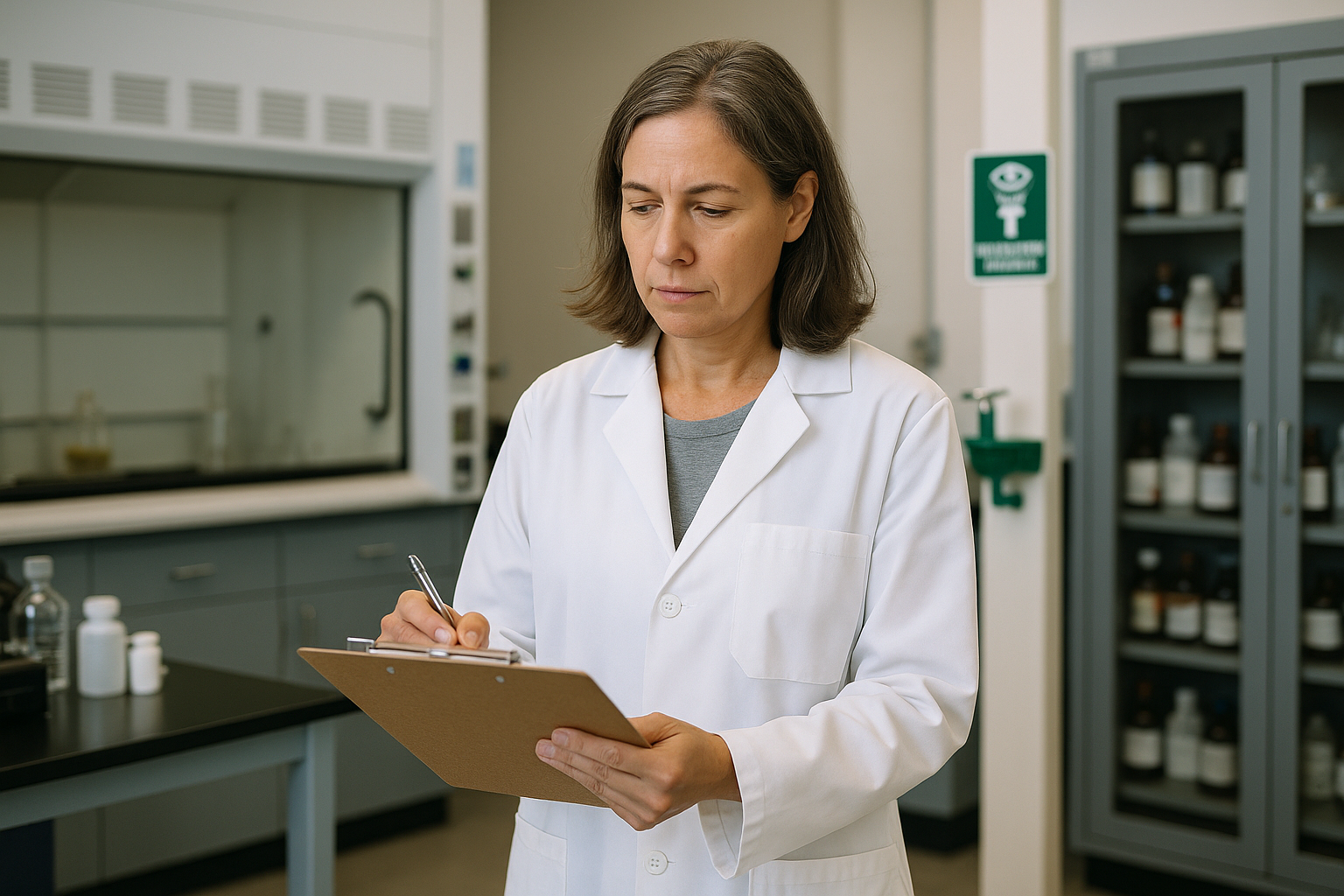
Audit your Chemical Hygiene Plan for lab-specific hazards, weekly eyewash checks, fume hood performance, and chemical storage controls in 2026.
Published: August 3, 2026 · By Steven Brooks
Updated: August 9, 2026
Category: Industrial Safety
Frequently Asked Questions
Does OSHA 1910.1450 require a lab-specific Chemical Hygiene Plan or can we use one campus template?
You can use a standardized campus framework, but it has to match actual hazards and work practices in each lab. A generic template alone is not enough if it does not reflect real chemicals, procedures, and controls.
How often should emergency eyewash stations be inspected in university labs?
For plumbed units, the article recommends weekly activation with documentation. The audit should also confirm the station is accessible, unobstructed, and provides usable flow.
What should we check during a fume hood audit?
Look for current performance records, defined face-velocity testing, proper sash use, and whether the hood is being used for storage. The review should also confirm the hood is suitable for the actual processes being run.
Why are peroxide-forming chemicals a priority in academic labs?
They are often kept in low-use research spaces long after active work stops. Your CHP and storage audit should include a clear process for identifying, tracking, inspecting, and removing aging peroxide formers.
What are the most common CHP audit gaps in university research facilities?
Common gaps include generic CHP documents, inconsistent weekly eyewash checks, outdated hood verification, and poor chemical segregation or inventory control. These issues are harder to manage when many small labs operate semi-independently.