OSHA 1926.1427 vs. ASME B30.5: Crane Qualification Rules in 2026
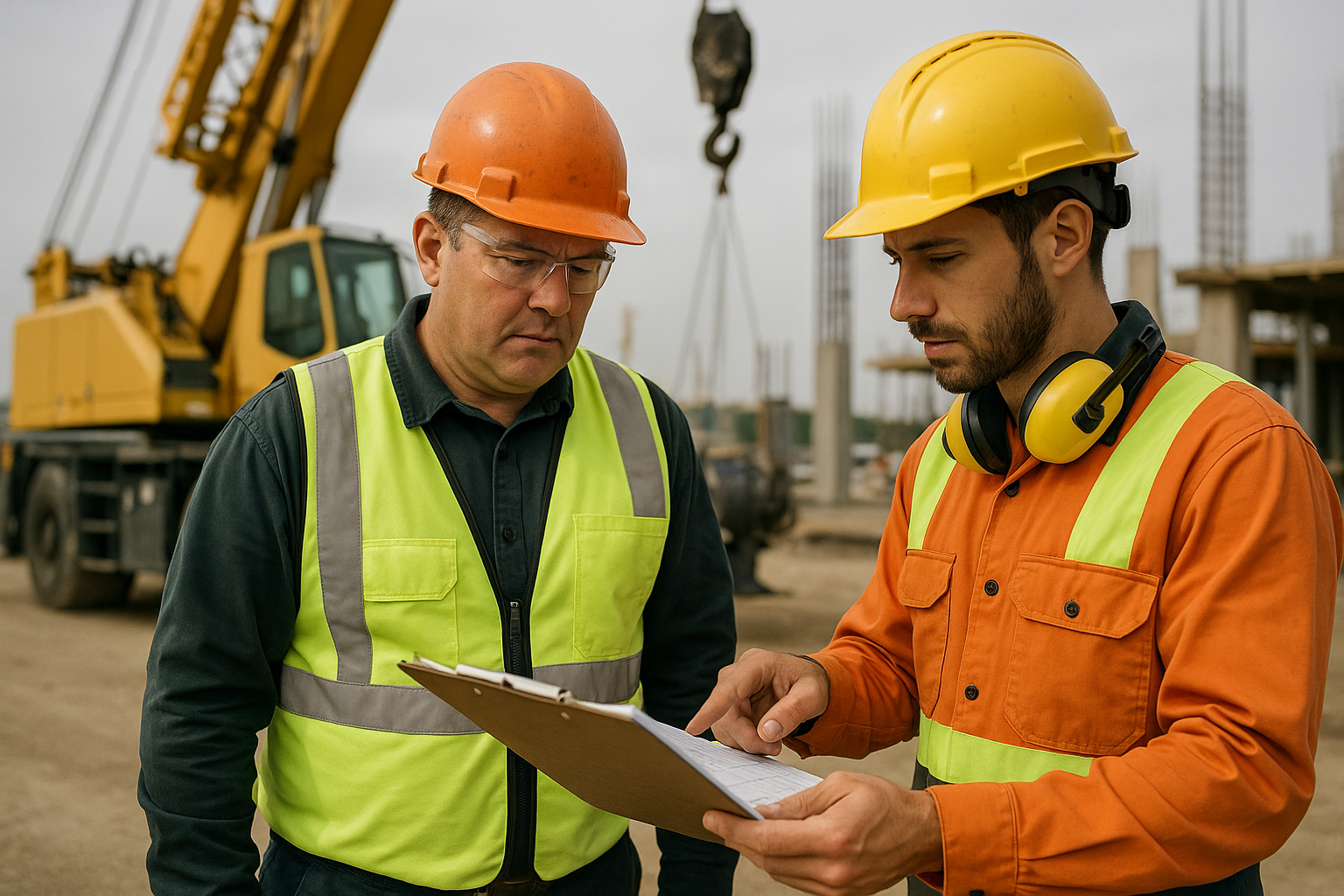
OSHA 1926.1427 sets crane operator requirements, while ASME B30.5 guides best practice. Check qualification gaps for operators, signalpersons, and riggers.
Published: August 3, 2026 · By Steven Brooks
Updated: August 9, 2026
Category: Industrial Safety
Frequently Asked Questions
Does OSHA require crane operators to be certified and evaluated?
Yes. The article explains that OSHA's rule covers training, certification or licensing as applicable, and an employer evaluation. A certificate alone is not enough.
Is ASME B30.5 legally required the same way OSHA is?
No. OSHA is the enforceable legal baseline, while ASME B30.5 is a consensus standard. Employers often use ASME to support technical practice, but it does not replace OSHA requirements.
Do signalpersons need third-party certification?
Not necessarily. OSHA requires signalpersons to be qualified, and that qualification can be done by a third party or by the employer if the person meets the rule.
Does every rigger need a universal certification card?
No. The article notes that OSHA requires a qualified rigger for certain tasks, not a universal certification card for every worker who handles rigging gear.
What is the most common crane qualification gap employers miss?
One of the most common gaps is relying on operator certification records without documenting the employer evaluation. Signalperson and rigger records that do not match actual field practice are also common problems.