OSHA, NFPA, and ANSI Requirements for Retail Safety in 2026
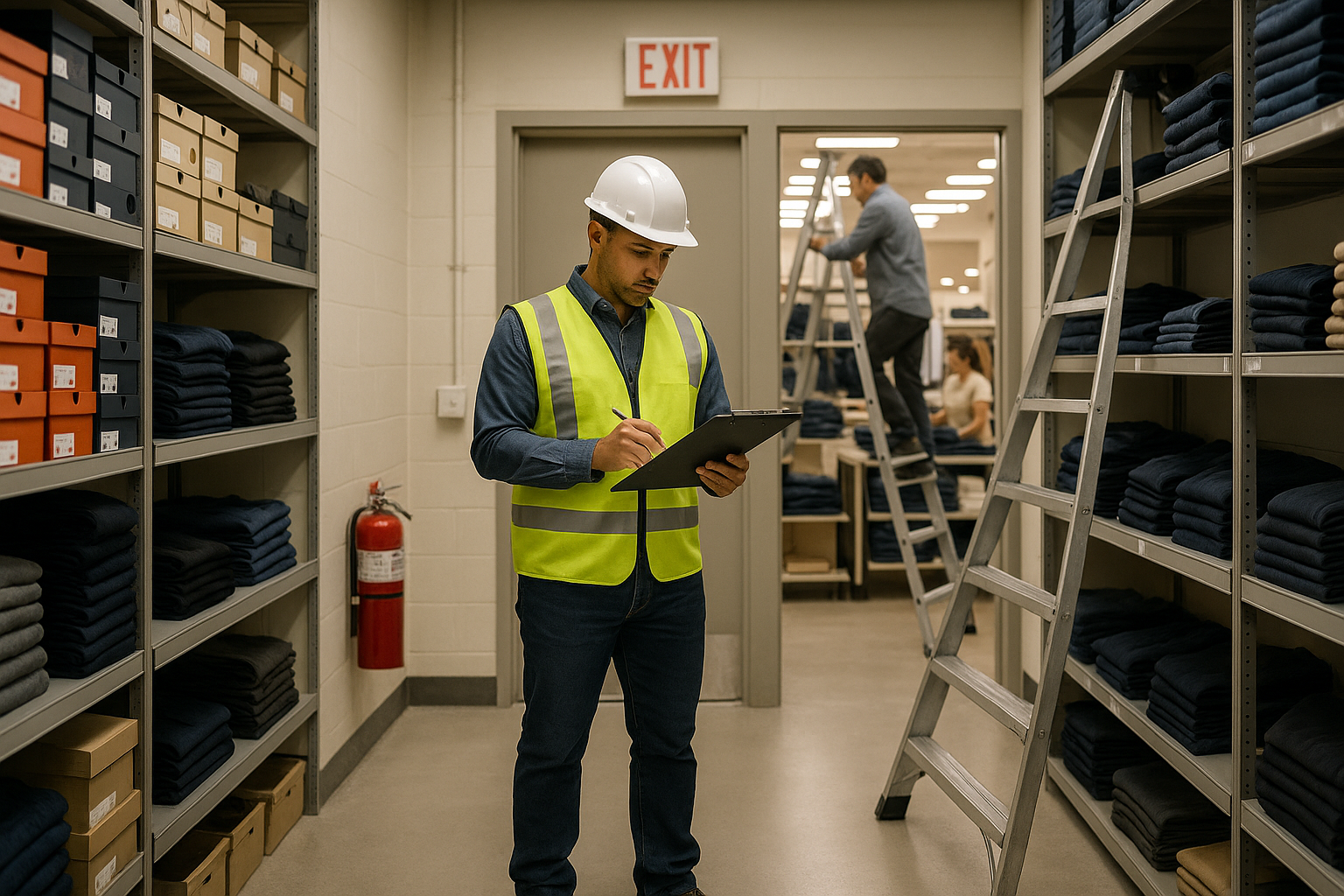
Learn how OSHA, NFPA, and ANSI requirements for retail safety in 2026 shape inspections, training, fire protection, egress, and electrical safety.
Published: July 1, 2026 · By SafetyNet Editorial Team
Category: Industrial Safety
Frequently Asked Questions
Does OSHA have one standard just for retail safety?
No. Retail employers generally follow the applicable OSHA general industry standards for the hazards present, such as walking-working surfaces, exit routes, fire protection, and electrical safety.
Which retail hazards should managers prioritize first?
Start with the hazards that show up daily: slips and trips, blocked exits, stockroom storage problems, electrical issues, ladder use, and chemical handling. These are common across most store environments and are easier to control with routine checks.
Why do NFPA standards matter if OSHA is the regulator?
NFPA standards help define good fire and electrical practices that support OSHA compliance. They are especially useful for extinguisher readiness, wiring methods, equipment access, and maintaining safe egress during store changes.
How can ANSI standards help a retail safety program?
ANSI standards can improve consistency in training, ladder safety, and overall safety management. They help organizations move beyond minimum compliance toward more repeatable store-level practices.
What is the best way to manage safety across multiple retail locations?
Use one clear inspection process, standard training expectations, and a visible corrective action system across all stores. Then review trends across locations so repeat issues are addressed systematically.