PPE Only Protects Workers When It’s Actually Worn
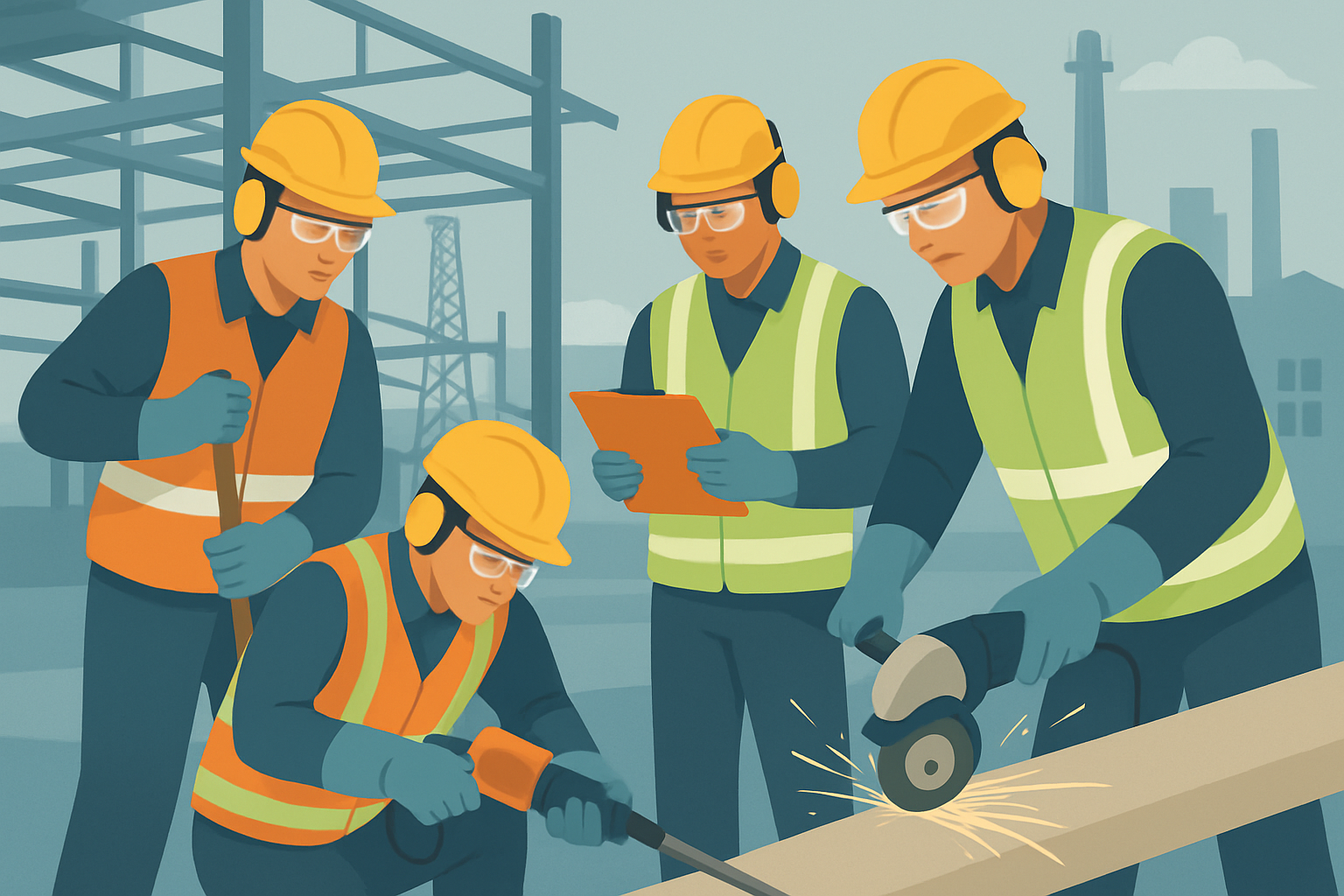
PPE only protects workers when it’s worn. Improve use with clear expectations, proper fit, timely replacement, and task-based checks.
Published: May 25, 2026 · By SafetyNet Editorial Team
Updated: June 27, 2026
Category: OSHA Quick Talks
Frequently Asked Questions
Why doesn’t PPE protect workers if the gear has already been issued?
PPE only works when workers wear the right gear every time the hazard is present. Issuing equipment alone is not enough if crews do not know when to wear it, how it should fit, and what its limits are.
What usually causes PPE to fail on the job?
The post points to poor fit, inconsistent use, damaged equipment, and workers removing gear because it feels inconvenient, hot, or uncomfortable. Worn, damaged, or contaminated gear should be replaced before it fails in the field.
What should supervisors make sure workers know about PPE?
Workers should know what PPE is required, when it must be worn, how it should fit, and what its limits are. The goal is to build the habit of wearing the right protection every time the hazard is present.
Does PPE replace guarding, ventilation, or lockout/tagout?
No. The post says PPE is the last line of defense and supports other controls like guarding, ventilation, and lockout/tagout rather than replacing them.
How can an EHS manager improve PPE use on site?
Check that hazard assessments match the actual task and exposure, replace worn or contaminated gear, and watch for task creep, shortcutting, and 'just for a minute' decisions. Reinforcing consistent use is a key part of a good PPE program.