Preparing for OSHA’s Federal Heat Illness Standard: A Step-by-Step Guide
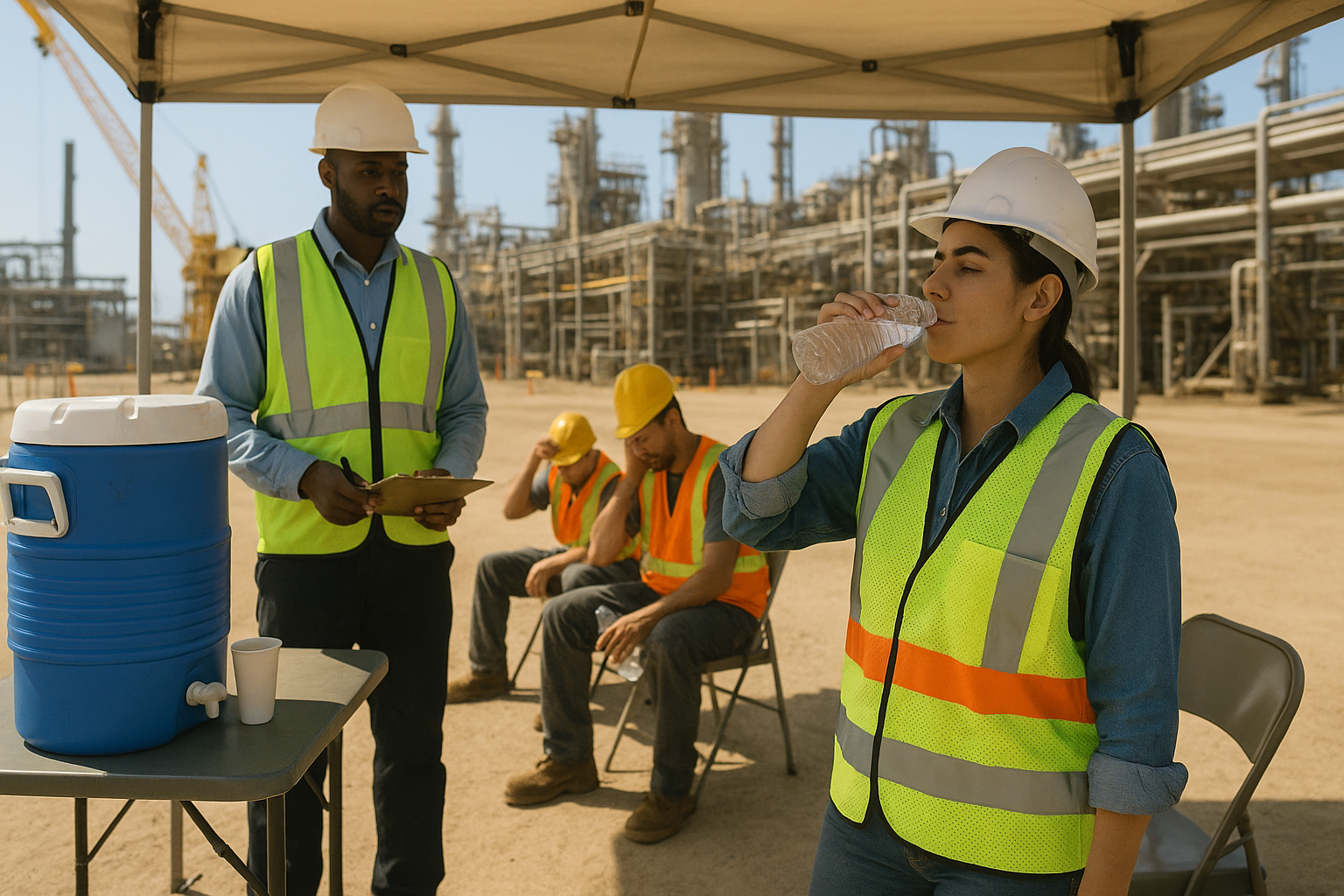
Prepare for OSHA’s federal heat illness standard with site heat risk reviews, practical controls, acclimatization steps, and solid documentation.
Published: June 9, 2026 · By SafetyNet Editorial Team
Updated: June 27, 2026
Category: Industrial Safety
Frequently Asked Questions
What should I do first to prepare for OSHA’s federal heat illness standard?
Start with a site-by-site heat risk review. Look at each work area, task, and shift to identify where heat exposure happens, when it is worst, and which workers may be more vulnerable.
What should be included in a heat illness prevention program?
Your program should cover how you monitor heat conditions, when added controls start, access to drinking water, cool-down or shaded areas, acclimatization, symptom recognition, response steps, emergency medical contact, and documentation. The post stresses keeping the plan in plain language so supervisors can use it in the field.
What heat controls should we have in place before hot weather arrives?
The post recommends practical controls such as potable water near the work area, shade or cooled recovery spaces, rest breaks, schedule changes, task rotation where feasible, and cooling or ventilation improvements for indoor work. It also notes that supervisors need clear direction that workers can stop, report symptoms, and slow down when needed.
How should we handle acclimatization and heat illness training?
Use a defined ramp-up period for new hires and workers returning after time away, with closer monitoring during their first days of hot work. Training should cover signs and symptoms, hydration, how acclimatization works, use of rest and cool-down areas, and what to do if a coworker seems confused, weak, dizzy, or unwell.
How do we document and roll out a heat illness prevention plan across multiple sites?
Update written policies and site procedures, create site-specific supervisor checklists, and decide how you will document heat monitoring, training, and corrective actions. The post also recommends training supervisors first, confirming resources are actually available, and running a tabletop exercise or field drill before peak heat season.