Preventing Primary Explosions: Combustible Dust Basics for 2026
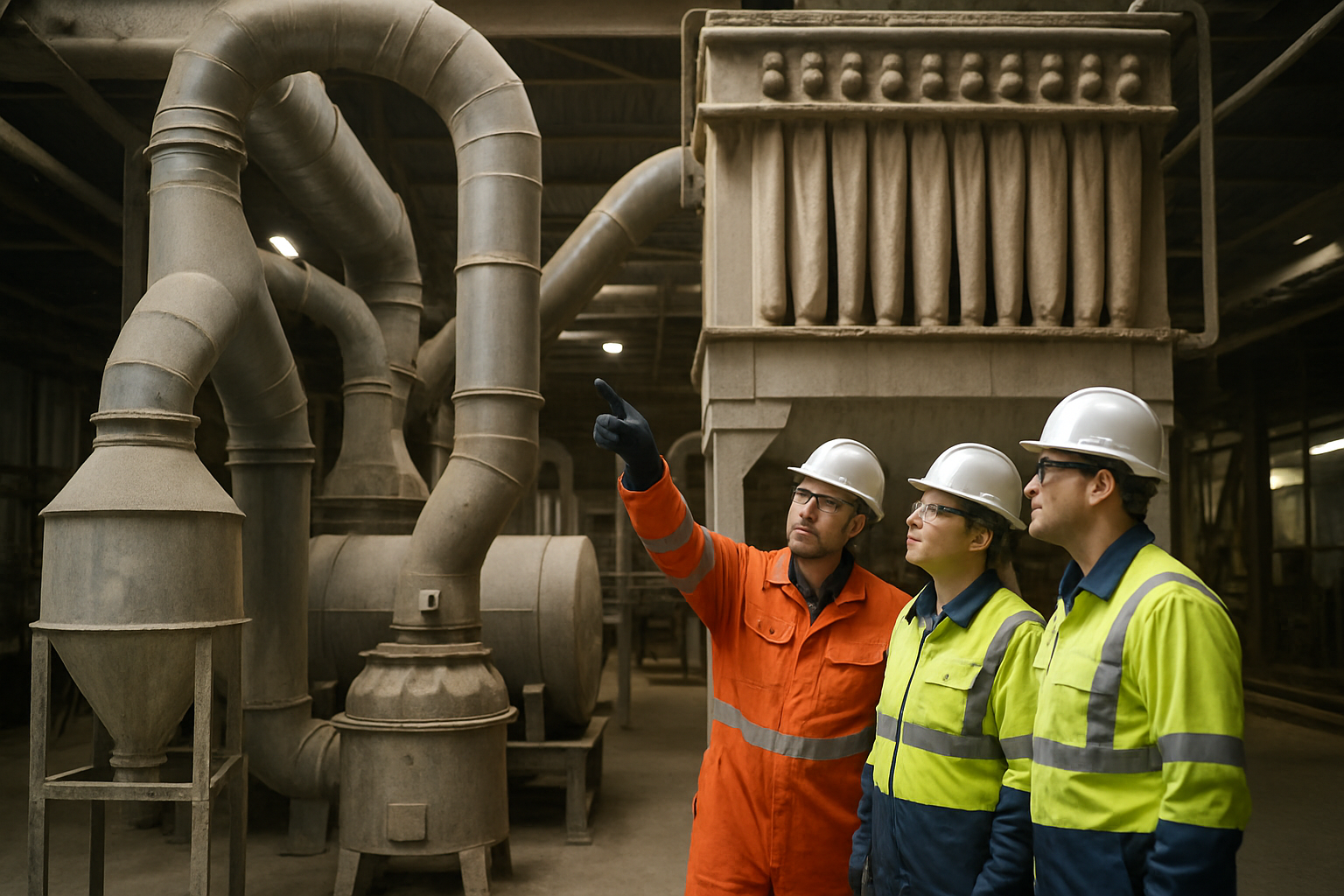
Prevent a primary explosion by strengthening combustible dust housekeeping, NFPA 652 DHA reviews, and dust explosibility testing in 2026.
Published: June 24, 2026 · By SafetyNet Editorial Team
Updated: June 27, 2026
Category: Industrial Safety
Frequently Asked Questions
What should we do first if we think combustible dust may be a risk on our site?
Start by walking the site specifically for settled dust, not just general housekeeping issues. Then verify which materials and byproducts have been evaluated for explosibility and review whether hidden and elevated areas are included in your housekeeping routine.
Does OSHA 1910.22 apply to combustible dust housekeeping?
Yes, in practice it creates a clear housekeeping expectation for dust-producing operations even though it is not a combustible dust standard. The post recommends defined cleaning frequencies, documented inspection routes, clear cleanup ownership, approved removal methods, and trigger points for escalation.
How does NFPA 652 help prevent combustible dust explosions?
NFPA 652 provides the framework for determining whether combustible dust hazards exist and what safeguards are needed. Its dust hazard analysis helps facilities identify where dust is present, how it can ignite, where fire or explosion effects could occur, and whether controls are working.
Do we need to test our dust, or can we rely on SDS information?
The post says employers should determine whether a dust is explosible rather than assuming based on appearance, past experience, or bulk material behavior. SDSs may not fully answer explosibility questions for site-generated dusts, so representative testing may be needed, especially when materials, particle size, moisture, or process conditions change.
What controls are most important for preventing a primary combustible dust explosion?
The post emphasizes finding dust, evaluating whether the material is explosible, and controlling accumulation and ignition sources before dust is disturbed. Key field measures include source capture, dust collector maintenance, safe cleanup methods, ignition source control, and auditing hidden or seldom-visited areas.