Preventing Silo Catastrophes: Grain Elevator Explosion Protection in 2026
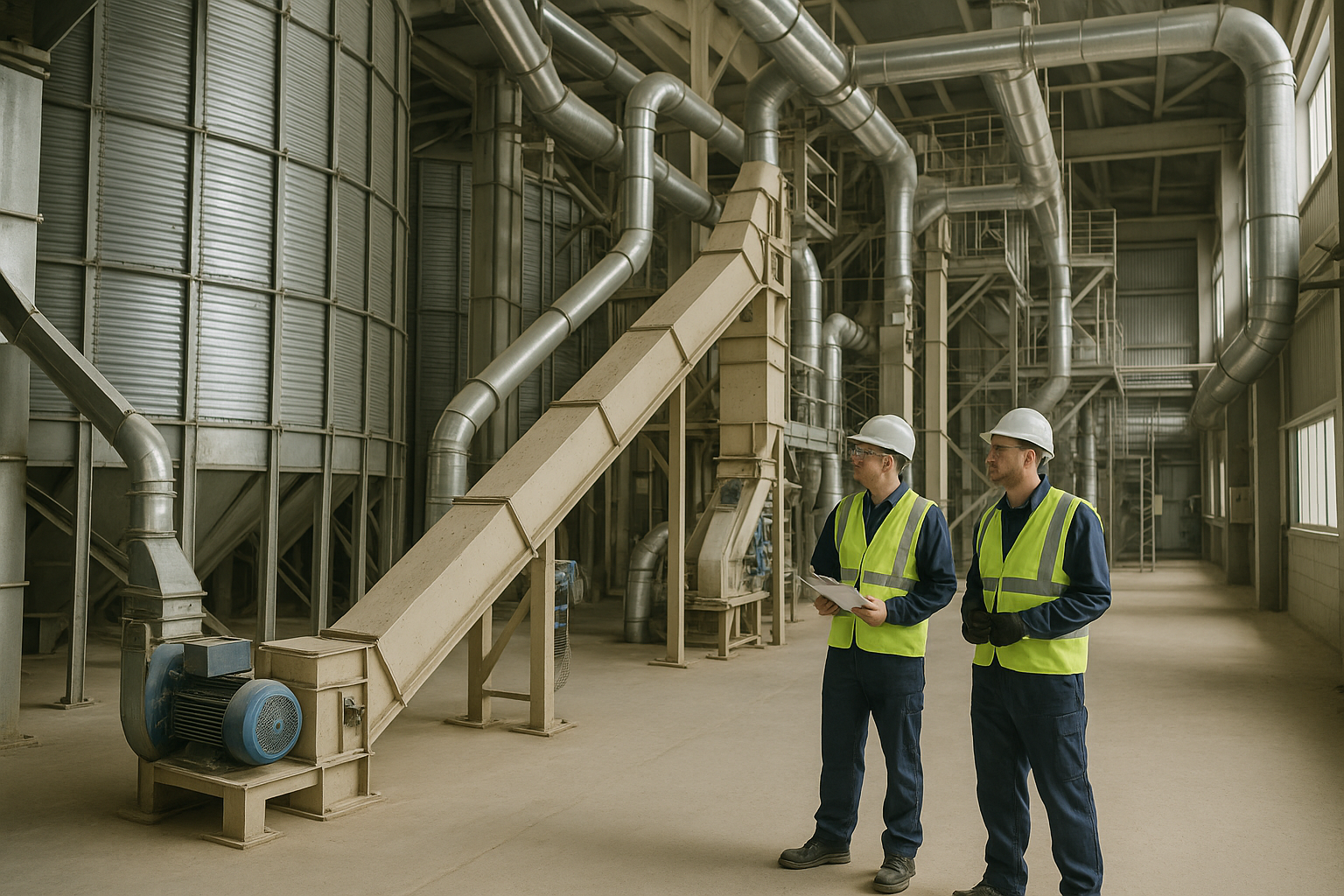
Prevent grain elevator explosions with stronger housekeeping, hot work controls, bin entry planning, and respiratory protection under 29 CFR 1910.272.
Published: June 24, 2026 · By SafetyNet Editorial Team
Updated: June 27, 2026
Category: Industrial Safety
Frequently Asked Questions
What are the main causes of grain elevator and silo explosions?
The post points to combustible dust, confined spaces, ignition sources, and maintenance pressure as the core hazard combination. Common contributors include suspended dust clouds, poor housekeeping, equipment overheating, electrical faults, static discharge, and uncontrolled hot work.
What should a grain facility housekeeping program include to prevent dust explosions?
It should set written cleaning frequencies by area, define safe cleanup methods, limit compressed air use, and inspect hidden and overhead surfaces. The post also stresses fixing recurring leaks and dust release points instead of repeatedly cleaning around them.
How can we control ignition sources in a grain handling facility?
The post recommends preventive maintenance on bearings, belts, pulleys, and alignment points, along with condition checks on critical equipment. It also calls for hot work permits, bonding and grounding where needed, and lockout/tagout during servicing and repair.
What precautions are needed for bin or silo entry?
Entry work should be pre-planned with hazard assessment, energy isolation, atmospheric testing, communication procedures, and rescue planning. The post also highlights safe methods for breaking bridged or caked material and coordinating with contractors when outside crews are involved.
Do respirators solve the grain dust hazard by themselves?
No. The post says respirators can protect workers from inhalation hazards, but they do not replace ventilation, dust capture, isolation, or safer work methods.