Robotics and Minor Servicing: Using OSHA’s Inching Exception Safely
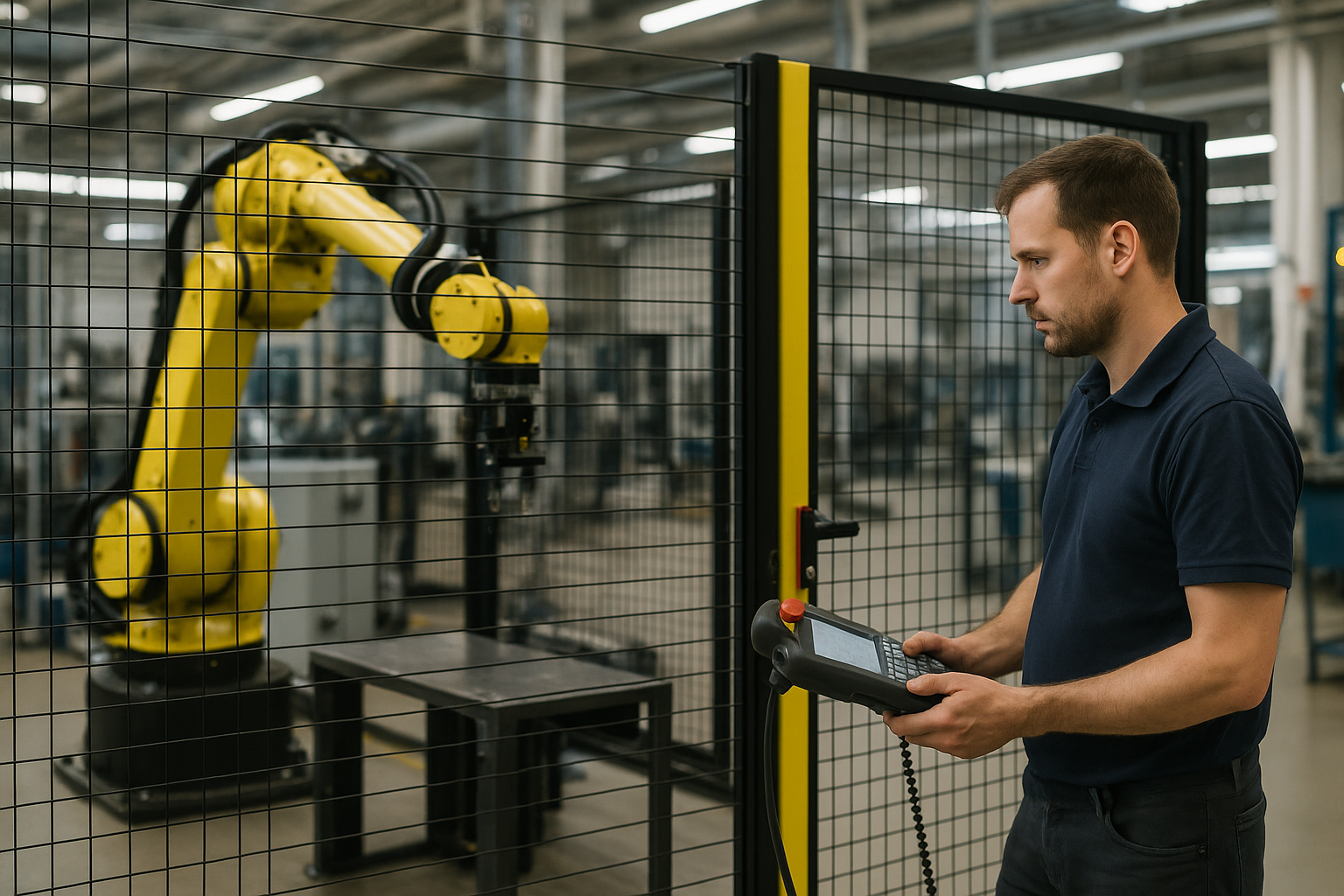
Using OSHA’s minor servicing exception in robotic cells? Learn when inching tasks fit 29 CFR 1910.147 and when full LOTO is the safer call.
Published: June 27, 2026 · By SafetyNet Editorial Team
Category: Industrial Safety
Frequently Asked Questions
Does OSHA's minor servicing exception mean we can skip lockout/tagout for quick robot jams or adjustments?
No. The post says the exception is narrow and does not replace lockout/tagout for every quick intervention. A short task can still require full LOTO if workers are exposed to hazardous motion and the alternative protective measures are not effectively protective.
When does a robot task qualify as minor servicing during production?
The task generally needs to be minor, routine, repetitive, and integral to production, and it must use alternative measures that provide effective protection. If the task is not truly part of normal production or cannot be done in a controlled mode with exposure reduced by design, full energy isolation is usually the safer choice.
Why are inching and jogging inside a robotic cell considered high risk?
The post explains that robotic systems can have multiple energy sources and unexpected movement from the robot, end effector, positioner, conveyor, or other connected equipment. Confusion about mode, defeated interlocks, restart signals, and poor visibility can also turn a quick intervention into a serious exposure.
What protective measures should we have if we use the minor servicing exception on robots?
The post points to task-specific protections such as manual reduced-speed mode, a hold-to-run or enabling device, limited motion, working safeguarding or a validated alternative, clear mode selection with restricted access, and prevention of automatic restart. It also says procedures should define safe positions and be backed by a task-specific risk assessment.
How do we decide when a robot intervention must escalate to full LOTO?
The post recommends a written robotics intervention matrix that defines the task, where the employee is, what motion is needed, what protective mode is allowed, who is authorized, and what triggers escalation. Examples of escalation triggers include repeated failed attempts, tool use, guard removal, and troubleshooting beyond the written minor task.