Safer Patient Handling in 2026: Where New Injury Data Points Your Program
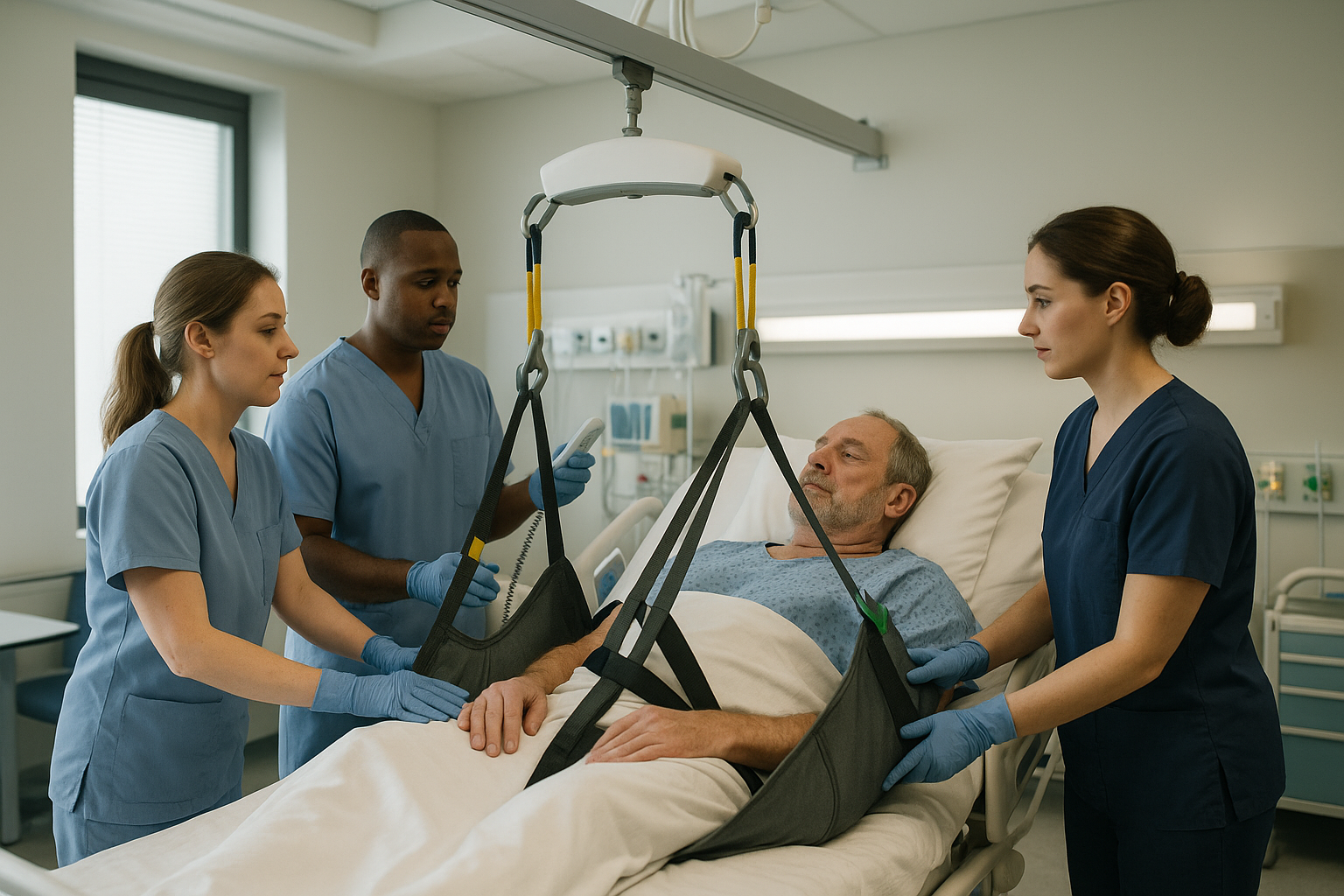
Use new injury data to improve safer patient handling in 2026 by targeting lift access, workflow gaps, and training to high-risk movement tasks.
Published: June 29, 2026 · By SafetyNet Editorial Team
Category: Industrial Safety
Frequently Asked Questions
What patient-handling tasks should we review first?
Start with the tasks most often tied to injuries in your reports: lifting, transferring, repositioning, fall recovery, and bariatric moves. The article recommends prioritizing high-frequency, high-force tasks such as bed boosting, lateral transfers, and bed-to-chair transfers.
How do we decide where to place lift equipment?
Map injuries by unit and task, then compare those findings to current device availability and actual workflow. The right equipment needs to be close enough, maintained, charged, and usable in the spaces where staff perform the transfer.
Is annual patient-handling training enough?
Usually not by itself. The article recommends refresher training based on injury patterns and unit-specific tasks, with hands-on practice using the devices staff are expected to use.
What if we already own lifts but staff still get hurt?
That often points to deployment and workflow problems rather than a simple equipment shortage. Check storage, sling availability, charging, maintenance, room layout, and whether staff have clear rules for when lift use is required.
How should BLS data be used in our program?
Use BLS data to confirm broader injury trends in healthcare, then pair it with your own incident reports, OSHA logs, and observations. That combination helps you target controls, equipment, and training where your organization has the most exposure.