Safety and Environmental Compliance Requirements for Casinos and Hotels
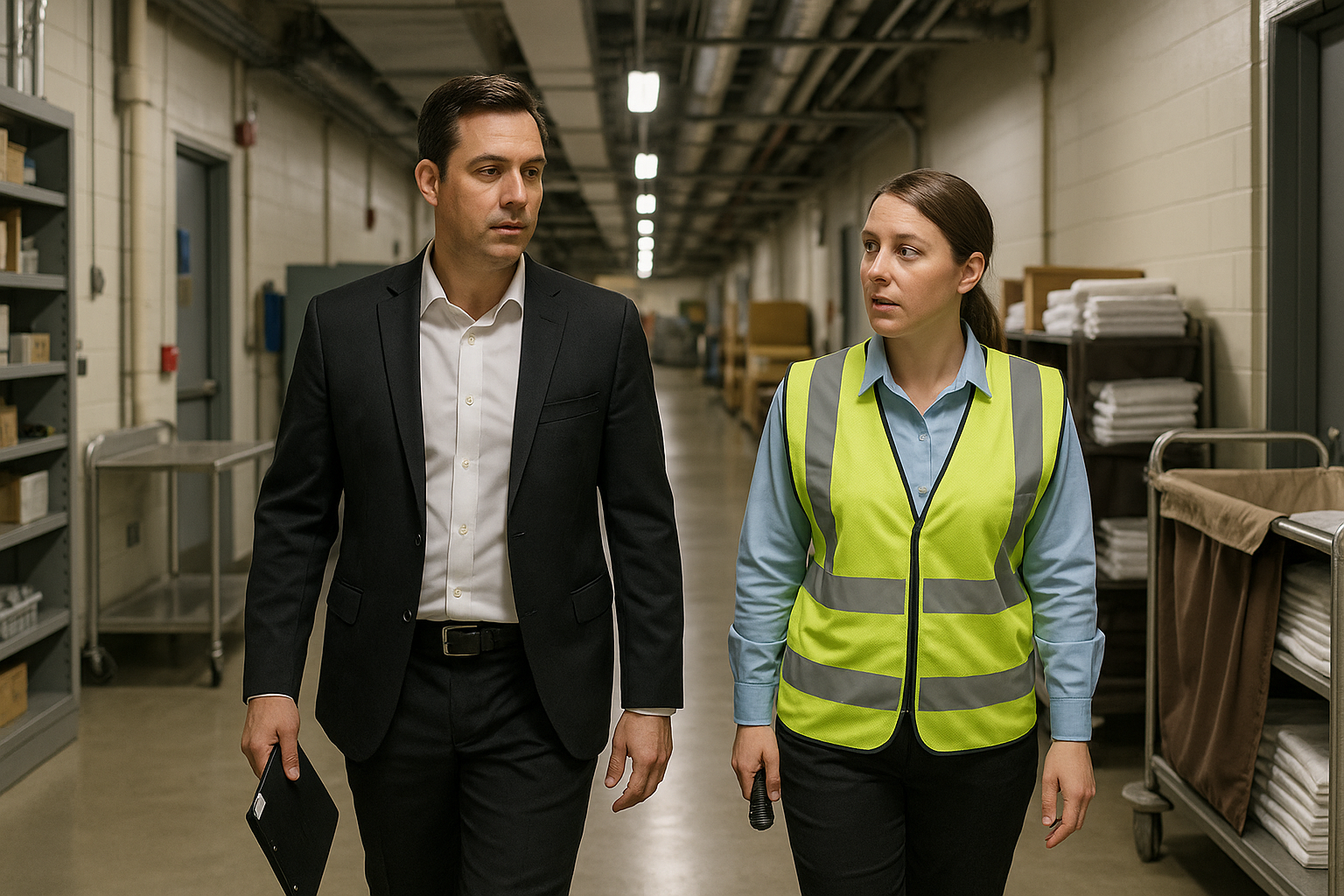
Learn the key safety and environmental compliance requirements for casinos and hotels, including inspections, training, contractor oversight, and 29 CFR 1910.147.
Published: June 15, 2026 · By SafetyNet Editorial Team
Updated: June 27, 2026
Category: Industrial Safety
Frequently Asked Questions
What safety areas should a casino or hotel assess first?
Start with risks that affect the whole property, such as walking-working surfaces, hazard communication, lockout/tagout, electrical safety, emergency action planning, indoor air quality, and contractor management. The post recommends assessing both routine tasks and non-routine work like overnight repairs, deep cleaning, and event changeovers.
Which hotel and casino departments usually need the most safety attention?
The post calls out housekeeping, janitorial, engineering, facilities, maintenance, and food and beverage as high-risk areas. Properties with entertainment venues, pools, spas, valet, or transportation services may also need added compliance planning.
What environmental compliance issues are common in casinos and hotels?
Common priorities include hazardous waste, used oil, wastewater and stormwater controls, pool and water treatment chemical storage, refrigerant management, spill prevention, and solid waste or recycling practices. The post notes that these issues are often missed when responsibilities are split across departments and vendors.
How do you keep safety and environmental compliance consistent across shifts and contractors?
Use written procedures for higher-risk work, department-specific training, current SDS access and chemical inventories, routine inspections, contractor oversight, and corrective action tracking. The post also says short, repeatable inspections and supervisor involvement help keep controls in place.
How should a casino or hotel manage safety during renovations or peak occupancy?
Focus on temporary barriers, guest separation from work areas, communication between departments and contractors, permit systems for hot work, after-hours planning, debris control, ventilation, and access control for restricted areas. A brief pre-job planning process can help prevent rushed work, unclear ownership, and poor handoffs.