Safety Priorities for Automated E-Commerce Fulfillment Centers in 2026
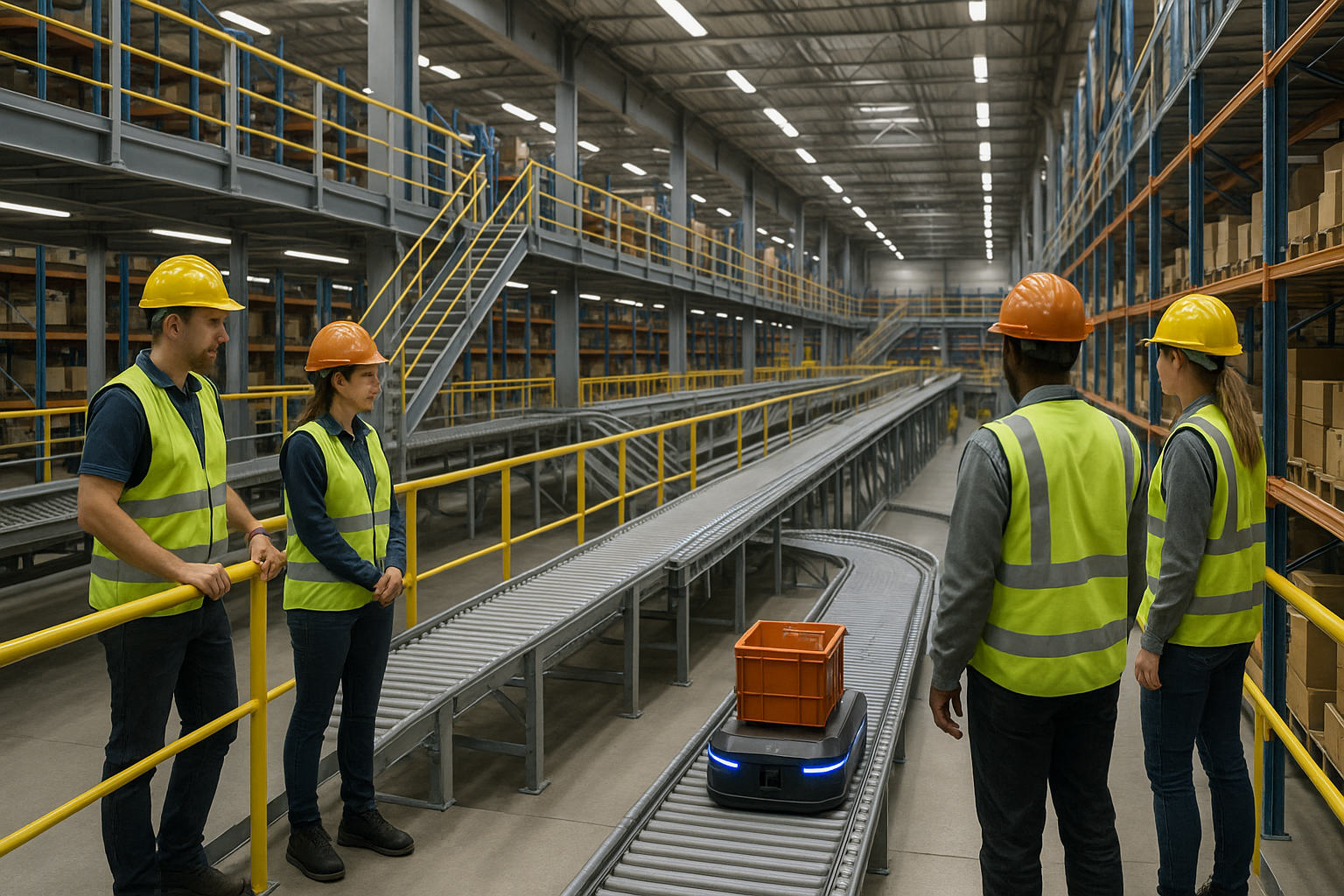
Improve automated fulfillment center safety in 2026 with practical steps for conveyor hazards, mezzanine fall protection, and robotic zone access.
Published: June 27, 2026 · By SafetyNet Editorial Team
Category: Industrial Safety
Frequently Asked Questions
What safety risks should an automated fulfillment center review first?
Start with conveyor pinch and entanglement hazards, mezzanine and elevated-platform fall exposure, and worker access to robotic or autonomous equipment corridors. The post highlights these three areas as the main early focus for automated fulfillment sites.
What should be included in a conveyor safety program in a fulfillment center?
The post points to guarding at pinch points, clear jam-clearing procedures, accessible emergency stops, good housekeeping, and routine inspections for damaged or missing safety components. It also says roles should be clear so operators, leads, maintenance, and temporary workers know their limits and responsibilities.
How does OSHA fall protection apply to mezzanines in a fulfillment center?
The post says employers have duties under 29 CFR 1910.28 for covered walking-working surfaces, including common fulfillment-center areas like open-sided mezzanines, platforms, stair landings, floor openings, and loading edges. It recommends active oversight, especially after layout changes, maintenance, or reconfiguration.
How can facilities control access to robotic picker corridors safely?
Use clearly marked boundaries, physical barriers or controlled gates, status indicators, and defined authorization for entry. The post also stresses training that matches the actual site layout and planning for recovery tasks like jams, spills, faults, and contractor access.
When should training and safety audits be updated in an automated warehouse?
Update them around change, not just during normal steady-state operations. The post specifically calls out maintenance startups, line modifications, peak-season onboarding, new robotic zones, changed travel paths, and mezzanine or equipment reconfiguration.