Skilled Nursing Safety in 2026: Lifting, Sharps, and Infection Control
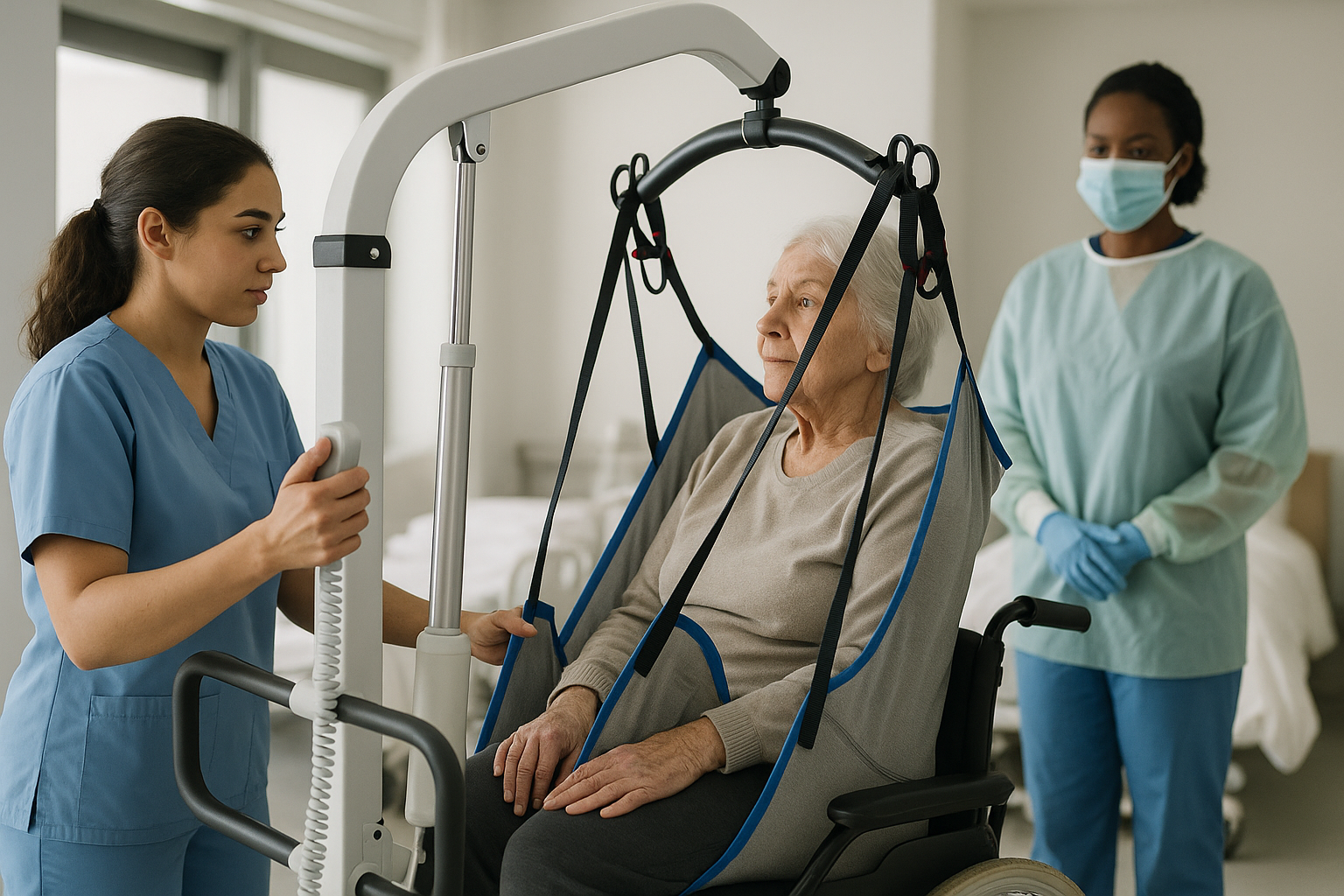
Improve skilled nursing safety in 2026 with practical steps for patient lifting, sharps controls, infection control, and 29 CFR 1910.1030.
Published: June 27, 2026 · By SafetyNet Editorial Team
Category: Industrial Safety
Frequently Asked Questions
What are the main safety priorities for skilled nursing facilities in 2026?
The post focuses on three priorities: safe resident handling, sharps prevention, and practical infection-control procedures. It emphasizes making these controls workable during busy shifts so staff can use them consistently.
How can we make a patient lifting program actually work on the floor?
Use resident mobility assessments to choose transfer methods and match equipment to common tasks like transfers, repositioning, and bariatric care. Keep devices where care happens, standardize when each aid is required, and train staff on both equipment use and decision-making.
What should be included in a sharps prevention program in long-term care?
The post says a practical program includes a current exposure control plan, safer devices where appropriate, no-recapping expectations except where required, nearby sharps containers, staff training, and a simple reporting process for incidents and near misses. It also stresses replacing containers before they are overfilled and addressing risks in laundry, waste, and room cleanup.
What should staff do right after a sharps or bloodborne exposure event?
Staff should be able to identify the immediate post-exposure steps without looking them up. The post highlights first aid, reporting, source evaluation, and follow-up as key actions that should happen without delay.
How can we keep infection-control procedures consistent during busy shifts?
The post recommends clear steps for identifying and isolating infectious residents, PPE use, room entry and exit, cleaning coordination, and staffing contingencies. It also says short observations and drills help catch workarounds and keep handoffs consistent during shift change, transport, specimen movement, and waste handling.