Smart LOTO and IoT: Can Digital Lockouts Replace Physical Padlocks?
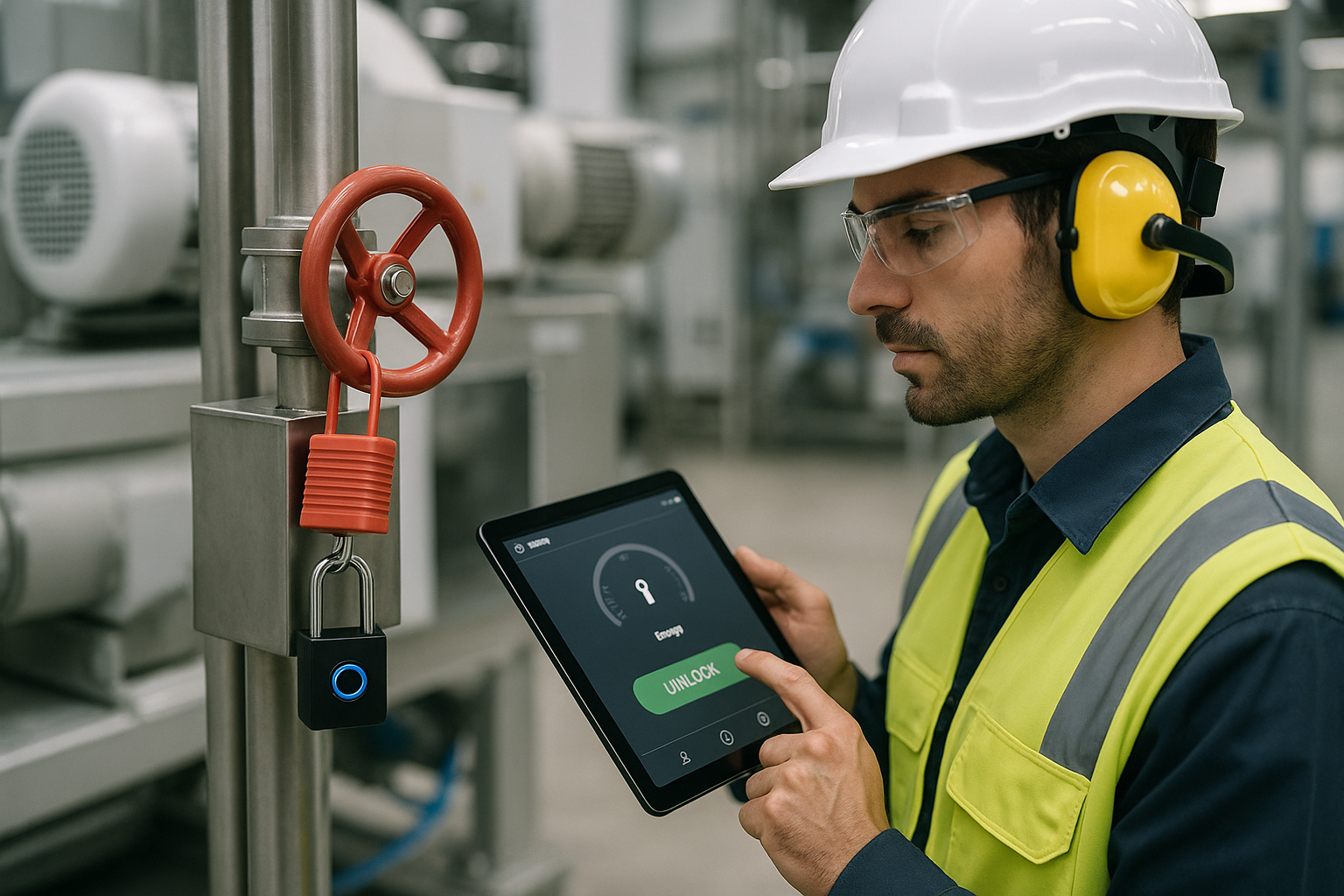
Smart LOTO can support compliance, but digital lockouts do not automatically replace padlocks under 29 CFR 1910.147. Evaluate equivalent protection.
Published: June 27, 2026 · By SafetyNet Editorial Team
Category: Industrial Safety
Frequently Asked Questions
Can smart LOTO replace physical padlocks under OSHA 1910.147?
Not automatically. The post says smart LOTO tools can support compliance and may be part of an acceptable alternative method, but they do not replace physical padlocks by default under OSHA 1910.147.
Does software tracking, RFID, or a dashboard count as energy isolation?
No. The post explains that software tracking, RFID identification, and remote status indication can improve visibility, but they do not by themselves control hazardous energy or prevent unexpected energization.
What does OSHA want to see when evaluating a smart lockout system?
OSHA’s focus is whether the method actually isolates hazardous energy and protects employees during servicing and maintenance. Managers should be able to show the smart method provides the same protective function as traditional lockout, not just better data.
How should a site evaluate whether a digital lockout method is acceptable?
The post recommends starting with current procedures under 29 CFR 1910.147, then using ANSI/ASSP Z244.1 and a documented machine-specific risk assessment to assess equivalency. The review should cover hazardous energy sources, failure scenarios, worker roles, procedures, training, and contractor coordination.
What is the most practical approach for facilities considering IoT-based lockout?
For many employers, the post recommends a hybrid model. That means keeping physical lockout hardware for primary protection while using smart tools for visibility, audit trails, authorization, and recordkeeping.