Structural Fall Arrest Forces in Heavy Construction and Demolition
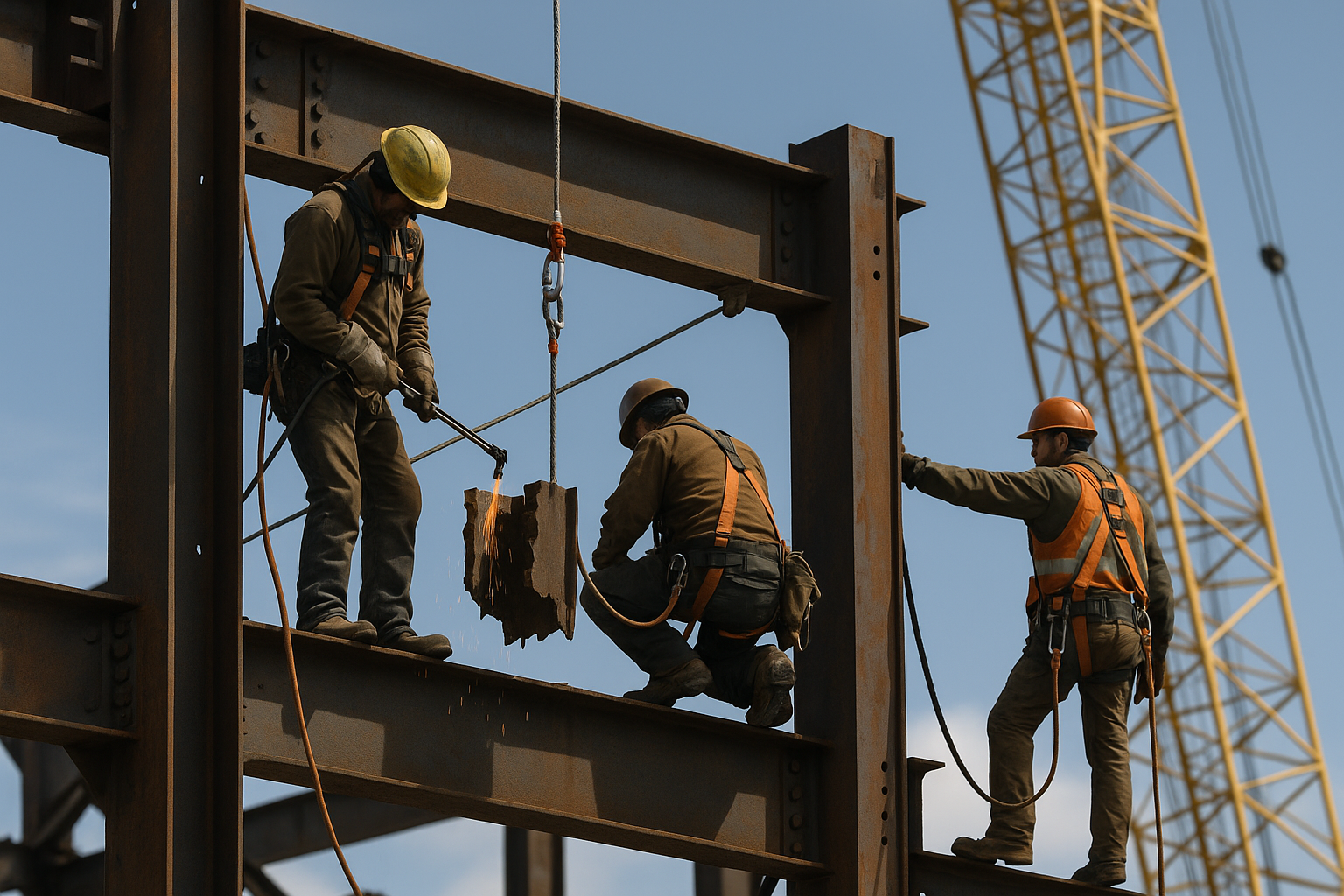
Structural fall arrest forces depend on anchor suitability, free-fall distance, clearance, and structural conditions in heavy construction.
Published: June 24, 2026 · By SafetyNet Editorial Team
Updated: June 27, 2026
Category: Industrial Safety
Frequently Asked Questions
Is a compliant harness enough for fall protection on heavy construction and demolition sites?
No. The post explains that the harness is only one part of the system, and the anchor, supporting structure, setup, and rescue plan all have to manage the forces created in a real fall.
Why isn't a strong anchor point automatically a safe tie-off location?
Because anchor strength is not the same as anchor suitability. A strong point can still be unsafe if the supporting structure is incomplete, damaged, changing during demolition or erection, or not intended for fall arrest.
What should EHS managers check before approving a fall arrest setup?
The post recommends checking free-fall distance, total clearance, swing fall exposure, edge or leading-edge conditions, equipment compatibility, and the condition of the supporting structure. It also says to review task-specific anchor locations, sequencing changes, and rescue access before work starts.
Can workers tie off to cranes, crane-related structures, or rigging points?
Not automatically. The post says crane booms, rigging points, and related equipment are not automatically acceptable anchorages, and intended use, manufacturer guidance, and structural evaluation all matter.
What does ANSI/ASSP Z359 add beyond basic OSHA fall protection requirements?
According to the post, Z359 pushes employers to think about the whole system, not just the attachment point. It adds focus on component compatibility, energy absorption, rescue planning, horizontal systems, and design and oversight by competent and qualified persons.