Sub-Zero Ergonomics: PPE for Cold Storage Facilities in 2026
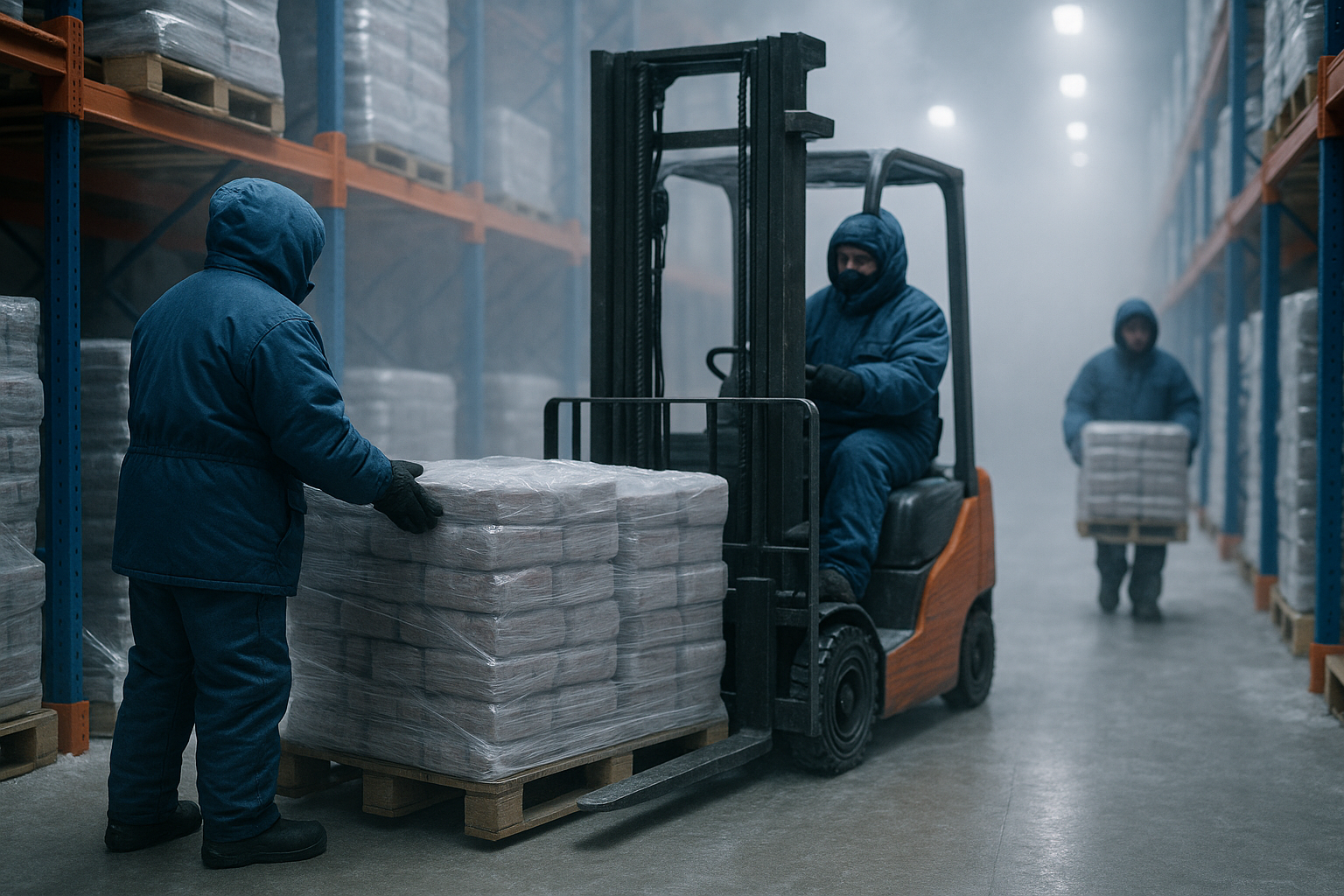
Improve cold storage PPE by balancing warmth, dexterity, mobility, and task fit using ANSI/ISEA 201 concepts and NIOSH cold stress guidance.
Published: June 24, 2026 · By SafetyNet Editorial Team
Updated: June 27, 2026
Category: Industrial Safety
Frequently Asked Questions
What does OSHA require for cold storage PPE if there is no specific cold-stress standard?
The post says OSHA does not have a single cold-stress standard for general industry, but employers still need to address recognized hazards. A defensible approach includes documenting cold-related hazards, selecting controls, and using PPE along with training, monitoring, and replacement procedures.
How should I choose PPE for different cold storage jobs and temperature zones?
The post recommends matching PPE to the task, temperature zone, exposure duration, and physical workload instead of giving everyone the same heavy gear. It also says to consider moisture management, compatibility with other PPE, and range of motion.
Is layering better than one heavy insulated coat in a freezer facility?
Often yes. The post says layered systems can work better because they give workers more flexibility between zones and can help reduce overheating during higher-output tasks.
What are the most common cold storage PPE problems to look for?
Common gaps include gloves that are too bulky, boots with poor traction, clothing that binds or rides up, fogging eye protection, poor sizing options, wet inner layers, and lift truck controls that are harder to use with insulated gear. The post notes these issues often show up at the task level even when the program looks fine on paper.
How can I tell if our cold storage PPE actually works in the field?
The post recommends wear trials and field observations during real work, not just trying gear on in a break room or relying on paper audits. It also suggests involving workers directly so you can spot practical issues with grip, movement, visibility, and comfort.