The 2026 Shift: Preparing for Cal/OSHA’s Permanent Workplace Violence Rule
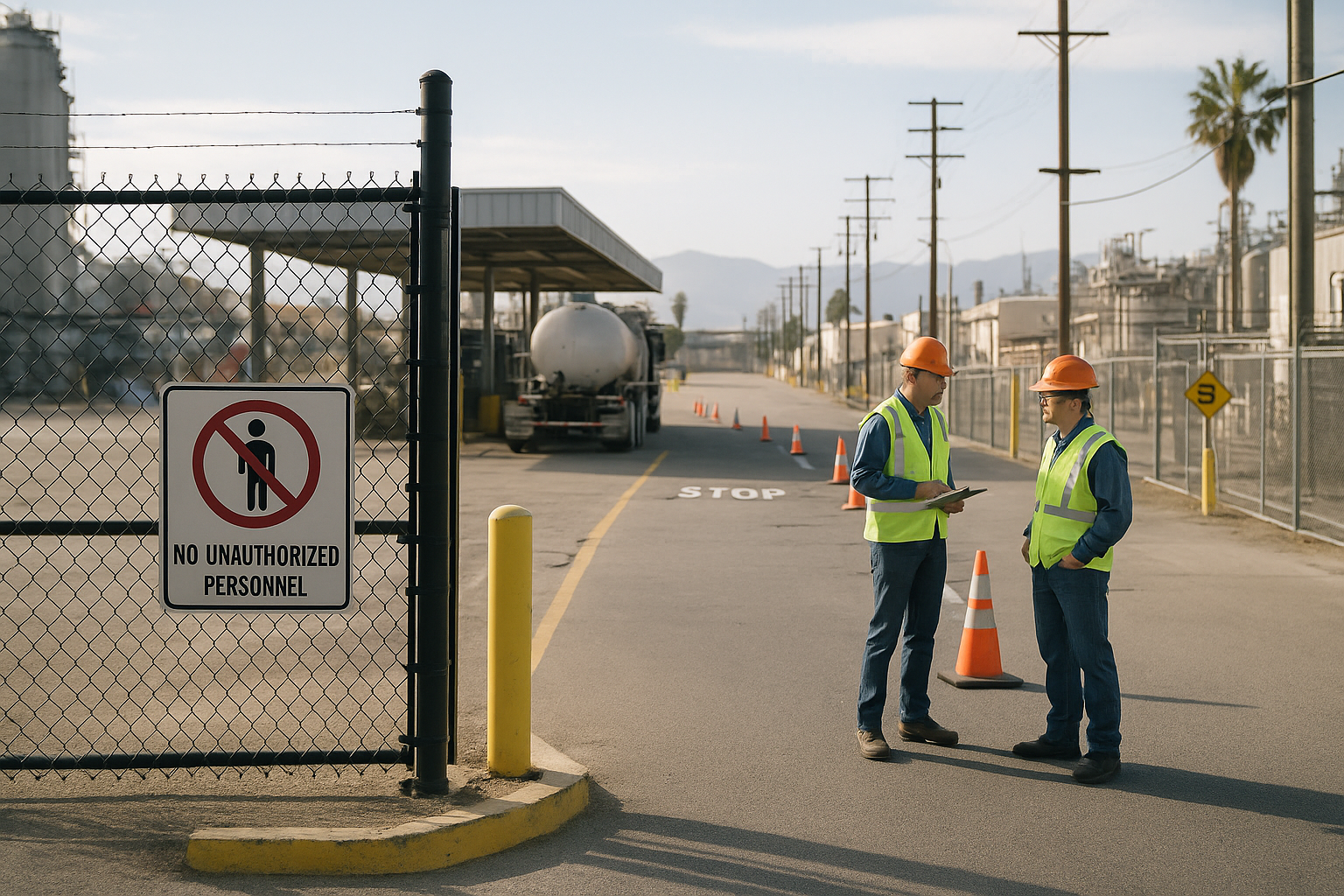
Prepare for Cal/OSHA’s permanent workplace violence rule by auditing SB 553 programs for site-specific hazards, records, training, and follow-through.
Published: June 27, 2026 · By SafetyNet Editorial Team
Updated: August 9, 2026
Category: Industrial Safety
Frequently Asked Questions
What changes in 2026 for Cal/OSHA workplace violence compliance?
The post says the shift is from simply having a written program to showing that the program works in daily operations. Cal/OSHA is expected to look more closely at documentation, implementation, site-specific details, and follow-through.
What will Cal/OSHA likely ask to see during a workplace violence inspection?
The post says employers should expect scrutiny of a current site-specific plan, hazard evaluation procedures, employee reporting methods, emergency and post-incident procedures, training, incident logs, and records showing hazards were corrected. It also highlights coordination among supervisors, HR, security, and operations.
What are the most common gaps in SB 553 workplace violence programs?
Common gaps listed in the post include generic template-based plans, incomplete hazard assessments, weak training records, inconsistent incident logs, limited supervisor preparation, weak corrective action tracking, and poor alignment across functions. The post also notes that some employers define workplace violence too narrowly and miss threats, intimidation, and warning signs of escalation.
How can ANSI/ASSP Z10.0 help with workplace violence prevention?
The post says Z10.0 can help employers move beyond checklist compliance and build a repeatable management process for planning, implementation, evaluation, and improvement. It can also help connect workplace violence prevention to existing safety systems like access control, contractor management, emergency planning, investigations, and supervisor accountability.
What should an EHS manager do now to prepare for tougher Cal/OSHA audits?
The post recommends running an internal audit focused on whether the process actually works in the field, not just whether a binder exists. It suggests reviewing the written plan, walking the site, checking reporting channels, auditing incident logs, testing supervisor readiness, verifying training quality, coordinating across functions, and confirming corrective actions are closed.