The eVQ Crunch: How California Generators Can Stay Ahead of DTSC Deadlines
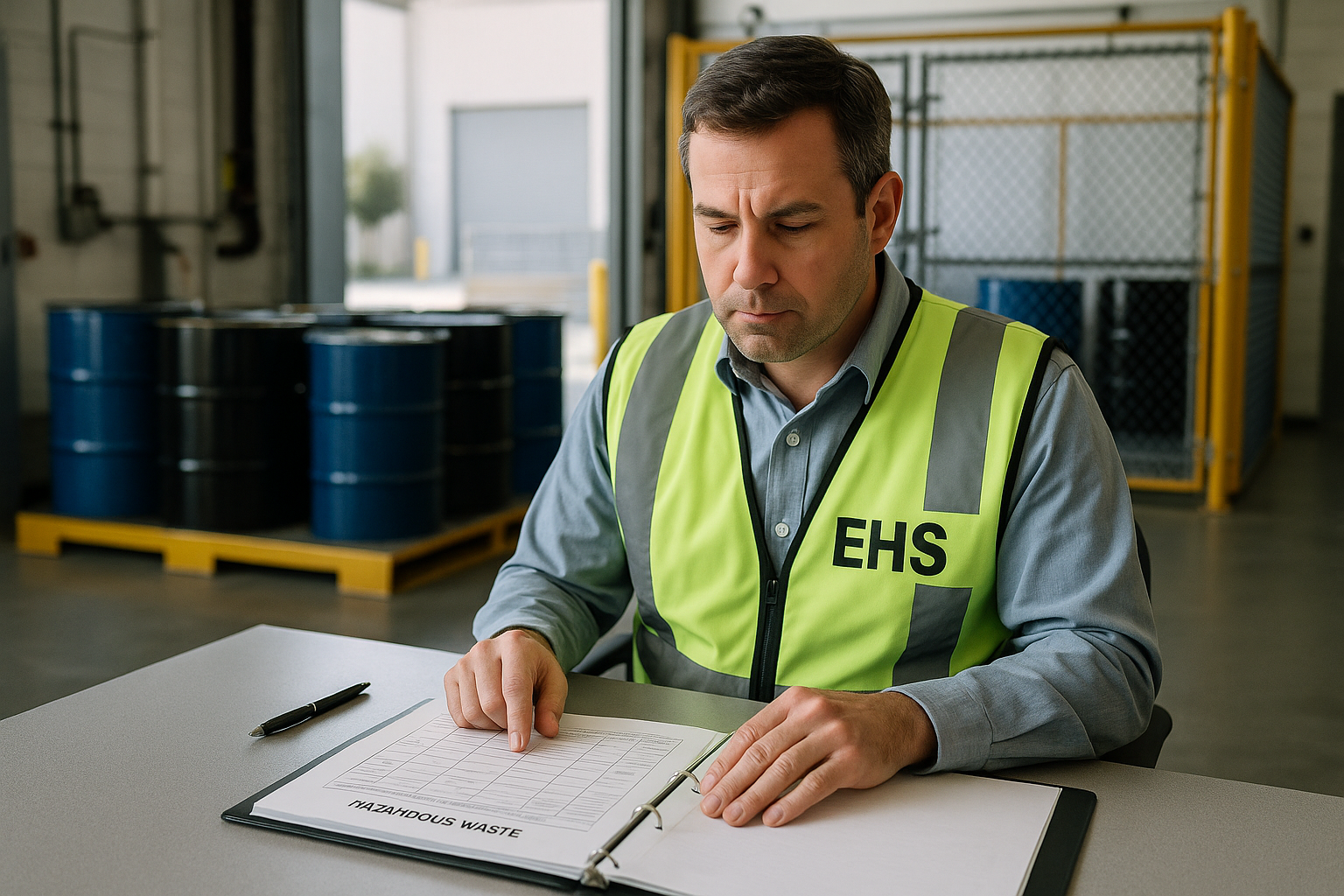
Stay ahead of California eVQ deadlines by assigning ownership, reconciling hazardous waste records, and aligning DTSC, CUPA, and EPA data.
Published: June 25, 2026 · By SafetyNet Editorial Team
Updated: June 27, 2026
Category: Industrial Safety
Frequently Asked Questions
What is the California eVQ actually checking?
The eVQ is DTSC’s annual way of confirming that your generator information and activity in CERS are accurate and consistent with what regulators already have on file. It focuses on site details, waste activity, transport and receiving information, and consistency with manifests, internal logs, and prior filings.
Why do facilities usually run into eVQ problems?
Most problems come from small recordkeeping gaps, not one major failure. Common issues include outdated contacts in CERS, unreported generator status changes, and mismatches between manifests, shipment logs, and earlier filings.
How do DTSC, CUPA, and EPA reporting requirements overlap for hazardous waste generators?
The post explains that DTSC eVQ is California’s annual verification process through CERS, CUPA often handles local site information and review, and EPA RCRA Info supports federal hazardous waste tracking and biennial reporting where applicable. The friction comes when site contacts, generator category, waste profiles, or shipment records change and the systems no longer match.
What is the best way to stay ahead of the eVQ deadline?
Treat the eVQ as a year-round recordkeeping task instead of a last-minute filing. Assign one owner, review site profile data regularly, reconcile waste records before the reporting window, and keep filed documentation in one place.
What should we do first if our site is behind on eVQ prep?
Start with the highest-risk items first. Confirm site and contact information, check whether generator activity changed, gather shipment and manifest records into one file, and flag mismatches or open questions early.