The Most Dangerous Scaffolding Mistakes on Job Sites
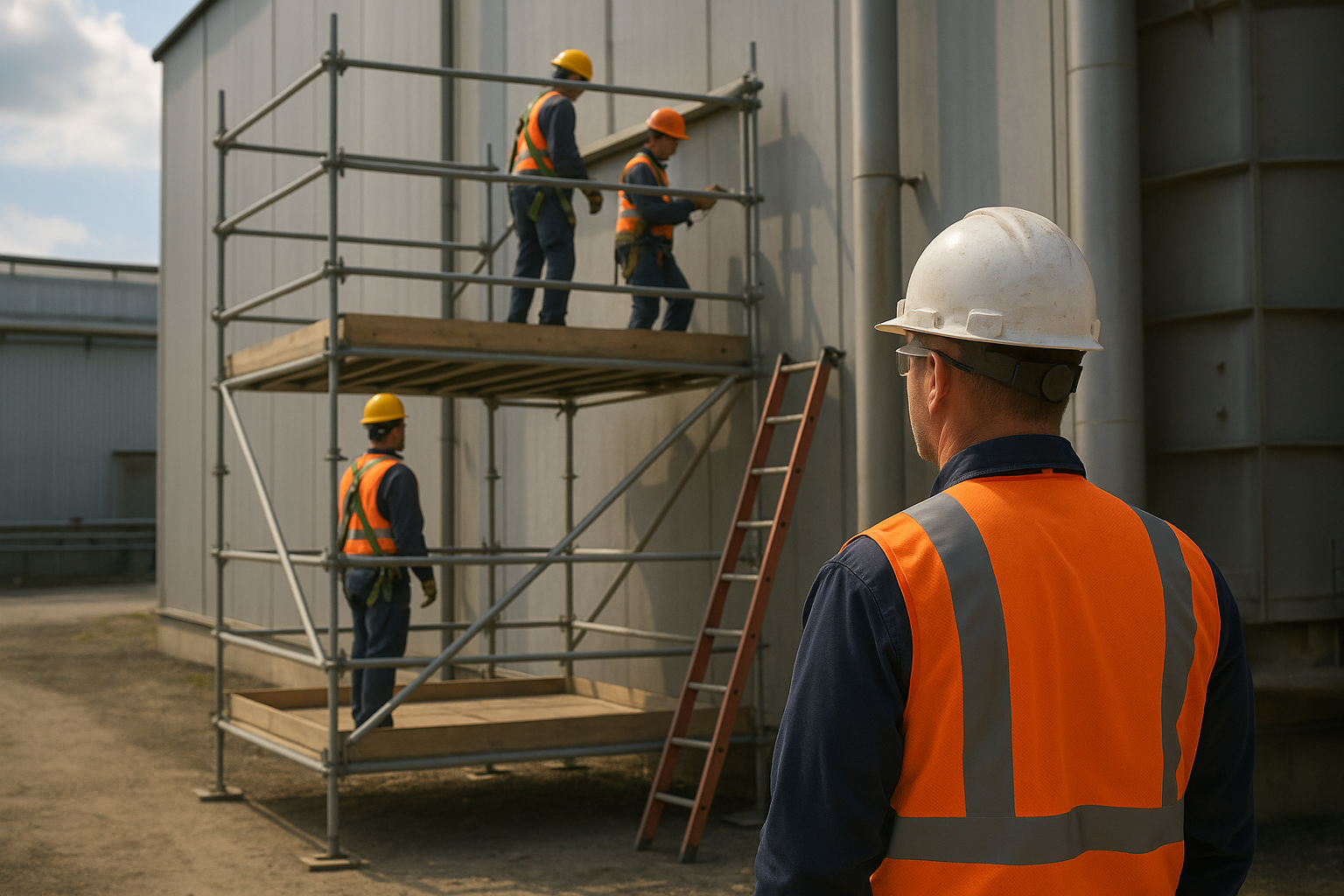
Learn the most dangerous scaffolding mistakes and what EHS managers should check: stable footing, safe access, load control, and daily inspection.
Published: July 1, 2026 · By SafetyNet Editorial Team
Category: Industrial Safety
Frequently Asked Questions
What are the most common dangerous scaffolding mistakes?
The most common dangerous mistakes include unstable foundations, missing guardrails, incomplete planking, unsafe access, overloading, and skipped inspections after changes or weather. These are the routine problems most likely to create fall or collapse exposure.
Does OSHA require scaffold inspections?
Yes. The article points to OSHA requirements covering scaffold use and training, and it emphasizes inspection before use and reinspection after weather, impact, modification, or relocation.
Is climbing scaffold cross-braces allowed as access?
No. The article identifies climbing cross-braces as a common unsafe practice and recommends using designed access such as ladders or stair towers.
Why do scaffold hazards keep repeating on job sites?
They often repeat because crews normalize shortcuts, work under schedule pressure, or assume a scaffold is safe because it is already standing. Weak change management and unclear supervision also let small problems persist.
What should an EHS manager check first on a scaffold?
Start with footing and stability, platform decking, guardrails, access, component condition, and whether the scaffold has been altered or overloaded. Those basics catch many of the highest-risk problems early.