Trenching, Excavation, and Utility Undergrounding: What EHS Leaders Must Tighten Up
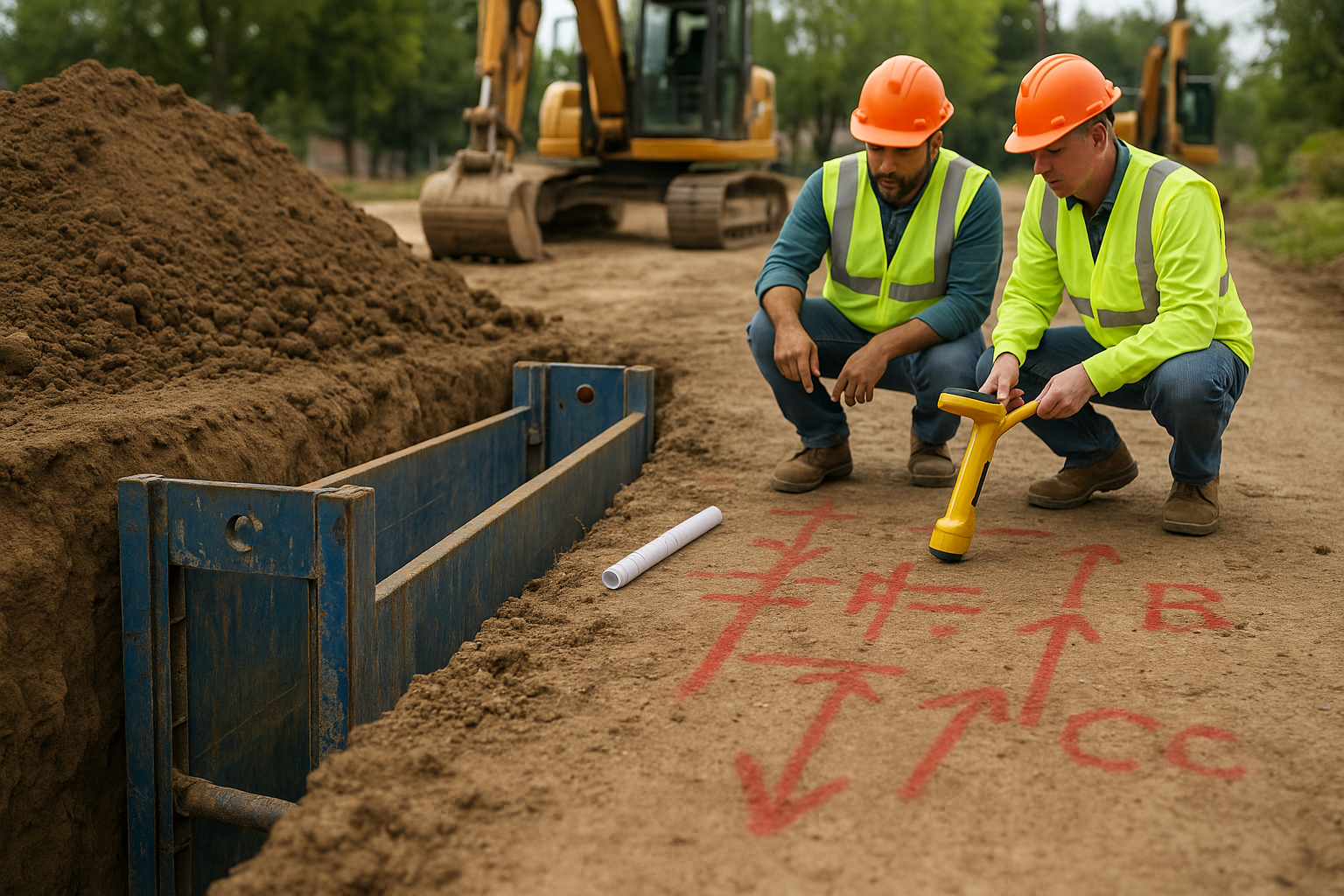
Strengthen trenching and utility undergrounding safety with better soil classification, protective systems, utility verification, and field inspections.
Published: June 27, 2026 · By SafetyNet Editorial Team
Category: Industrial Safety
Frequently Asked Questions
How often should soil classification be checked for trenching work?
It should be based on actual site conditions before work and rechecked when conditions change. The post specifically calls out rain, freezing and thawing, dewatering, and nearby heavy equipment activity as triggers to reassess.
Is a utility locate ticket enough before excavation starts?
No. The post says a locate request is only one layer of protection and should be part of a site-specific process that verifies both public and private underground lines before digging.
What are the most common mistakes with trench boxes and shoring?
A common problem is not lacking equipment, but using the right system in the wrong way. The post highlights mismatches with trench depth, width, and soil conditions, workers outside the protected area, unprotected gaps or transitions, and failure to follow tabulated data, manufacturer guidance, or engineered designs where required.
When should excavation work stop?
Work should stop when markings are unclear, missing, or do not match field conditions, and when field conditions no longer match the planned protective method. The post also emphasizes clear stop-work authority for changing conditions.
What should EHS managers audit on an active excavation site?
The post recommends auditing one active excavation from permit to closeout. Key checks include how soil classification is determined and documented, whether protective systems match actual conditions, how utility verification covers private lines and scope changes, and who serves as the competent person with authority to stop work.