Understanding ANSI A92 for Aerial and Mobile Elevating Work Platforms
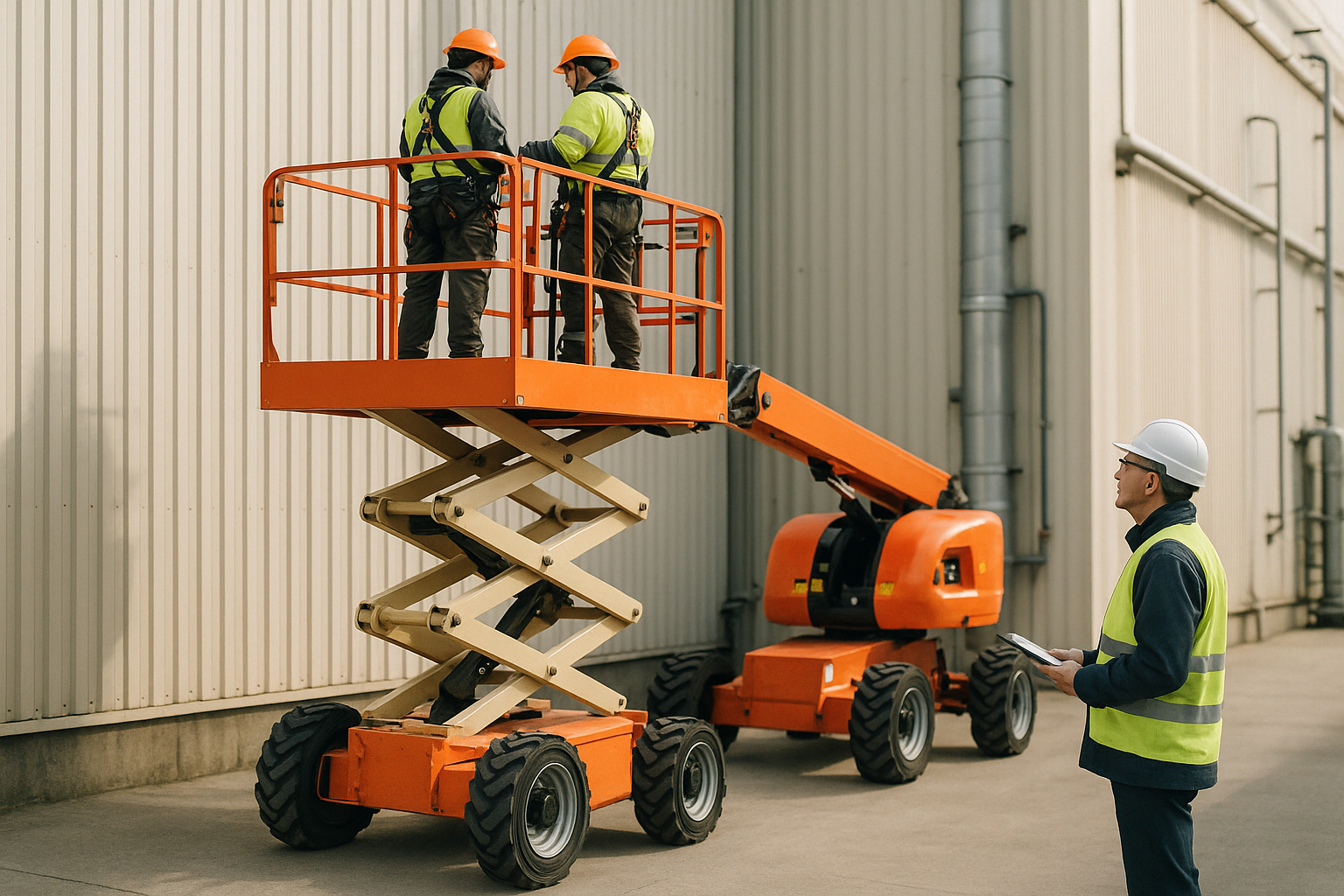
Learn how ANSI A92 shapes MEWP training, site risk assessment, familiarization, and rescue planning so EHS leaders can strengthen lift safety.
Published: June 21, 2026 · By SafetyNet Editorial Team
Updated: June 27, 2026
Category: Industrial Safety
Frequently Asked Questions
What does ANSI A92 cover for aerial lifts and MEWPs?
ANSI A92 covers the design, safe use, training, maintenance, and operation of aerial and mobile elevating work platforms. For most employers, it mainly affects planning, training, responsibilities, site risk assessment, and rescue planning.
Is a lift card enough to show someone is qualified to use a MEWP?
No. The post explains that training should be role-specific and practical, with the goal of competent decision-making in the actual work environment.
What is the difference between MEWP training and familiarization?
Training covers safe operation, hazards, equipment limits, and emergency procedures. Familiarization is specific to the make, model, controls, operating characteristics, emergency systems, and safety features of the machine being used.
What should be checked in a MEWP site risk assessment before work starts?
Teams should review ground bearing capacity, surface stability, slopes, holes, curbs, trenches, overhead obstructions, energized lines, indoor clearances, traffic, weather, and nearby operations. The post also says conditions should be reassessed when the site or weather changes.
What are the most common gaps in a MEWP safety program?
Common gaps include weak familiarization on rented or new units, pre-use inspections treated as a checkbox exercise, unclear supervisor expectations, and rescue plans that exist on paper but are not reviewed with crews. The post also notes that hazards are often not reassessed after layout changes, weather changes, or schedule pressure.