Understanding ANSI B20.1 Conveyor Safety Standards in 2026
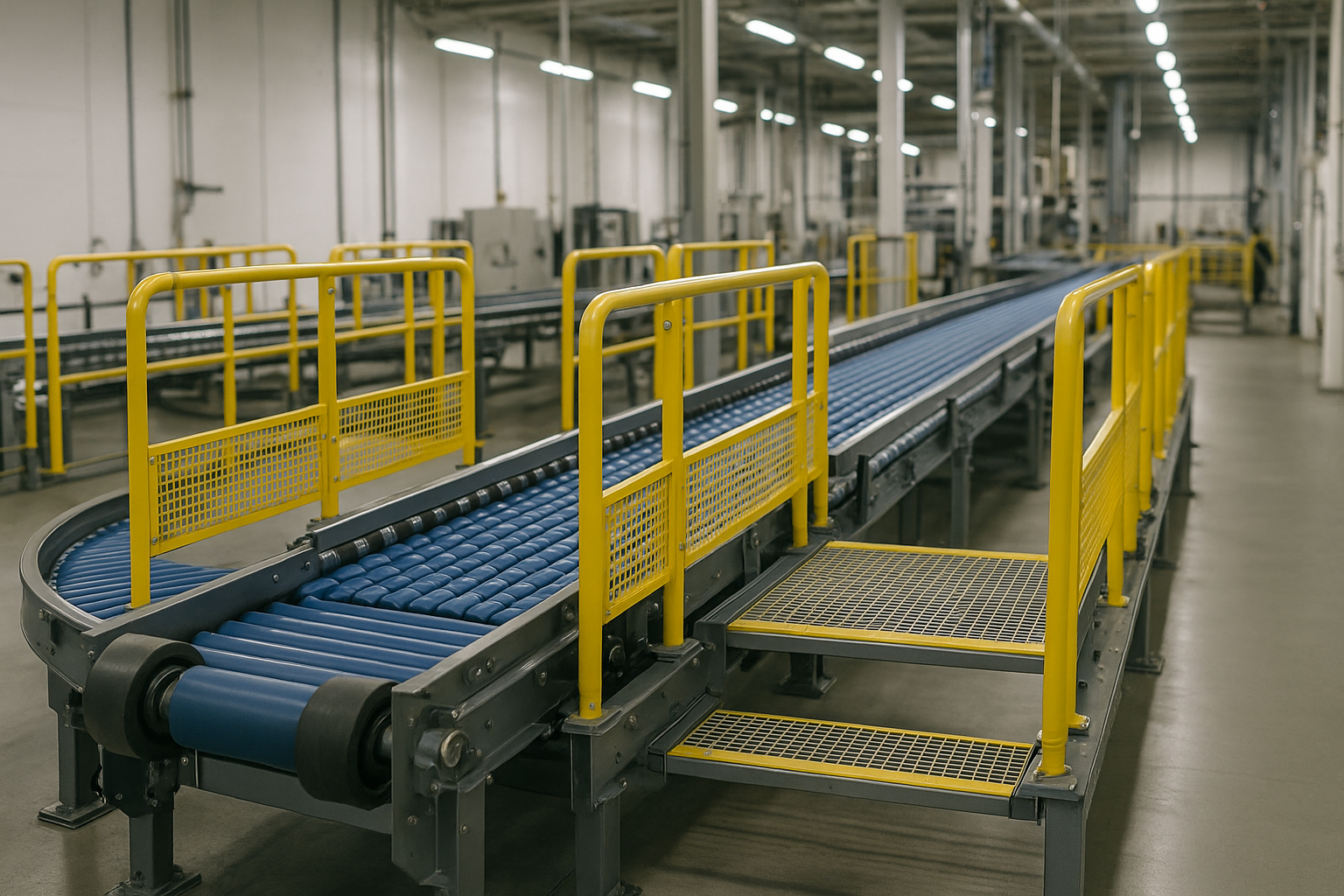
Use ANSI B20.1 to assess conveyor hazards, improve safeguarding, and review LOTO under 29 CFR 1910.147 with a practical 2026 checklist.
Published: June 21, 2026 · By SafetyNet Editorial Team
Updated: June 27, 2026
Category: Industrial Safety
Frequently Asked Questions
What does ANSI B20.1 cover for conveyor safety?
ANSI B20.1 covers the design, installation, operation, and maintenance of conveyors and related equipment. It helps EHS teams review hazardous moving parts, safeguarding, emergency stops, startup warnings, inspection and maintenance practices, and training.
Is ANSI B20.1 an OSHA regulation?
No. The post says ANSI standards are not federal regulations by themselves, but they are often used as recognized good practice alongside applicable OSHA requirements such as machine guarding and lockout/tagout under 29 CFR 1910.147.
What conveyor hazards should safety managers focus on first?
The post highlights in-running nip points, entanglement hazards, crushing and caught-between hazards, unexpected startup, falls and access hazards, and struck-by hazards. It also emphasizes looking at routine tasks like jam clearing, cleaning, inspections, and maintenance where exposure often occurs.
What safeguards does ANSI B20.1 support besides just adding guards?
The post recommends a task-based approach that can include fixed guards, interlocked access doors or gates, barrier rails, safe crossover structures, accessible emergency stop devices, startup warnings, and clear lockout/tagout procedures. The right mix depends on the conveyor type, layout, and the work being performed.
How should I start improving conveyor safety at my facility?
Start with a focused review of one line, one department, or one recurring problem area instead of rewriting everything at once. The post recommends checking hazard points, guarding, emergency stops, startup warnings, LOTO practices, actual work activities, safe access, task-based training, and follow-up on corrections.